





Meth produces a sharp ammonia scent you’ll often recognize as similar to cat urine mixed with nail polish remover’s sweet acetone notes. When smoked, it releases acrid fumes resembling burning plastic with subtle sweet undertones that linger on clothing and furniture. The distinctive cat pee smell stems from methylamine gas and anhydrous ammonia released during manufacturing. Understanding these chemical signatures can help you identify potential exposure risks in your environment. For individuals experiencing sleep difficulties, learning how to treat subthreshold insomnia can be crucial for improving overall well-being. This often involves lifestyle changes, such as adopting a consistent sleep schedule and creating a relaxing bedtime routine. Incorporating relaxation techniques such as meditation or gentle stretching may also aid in alleviating symptoms and promoting better sleep quality.
What Does Meth Smell Like?
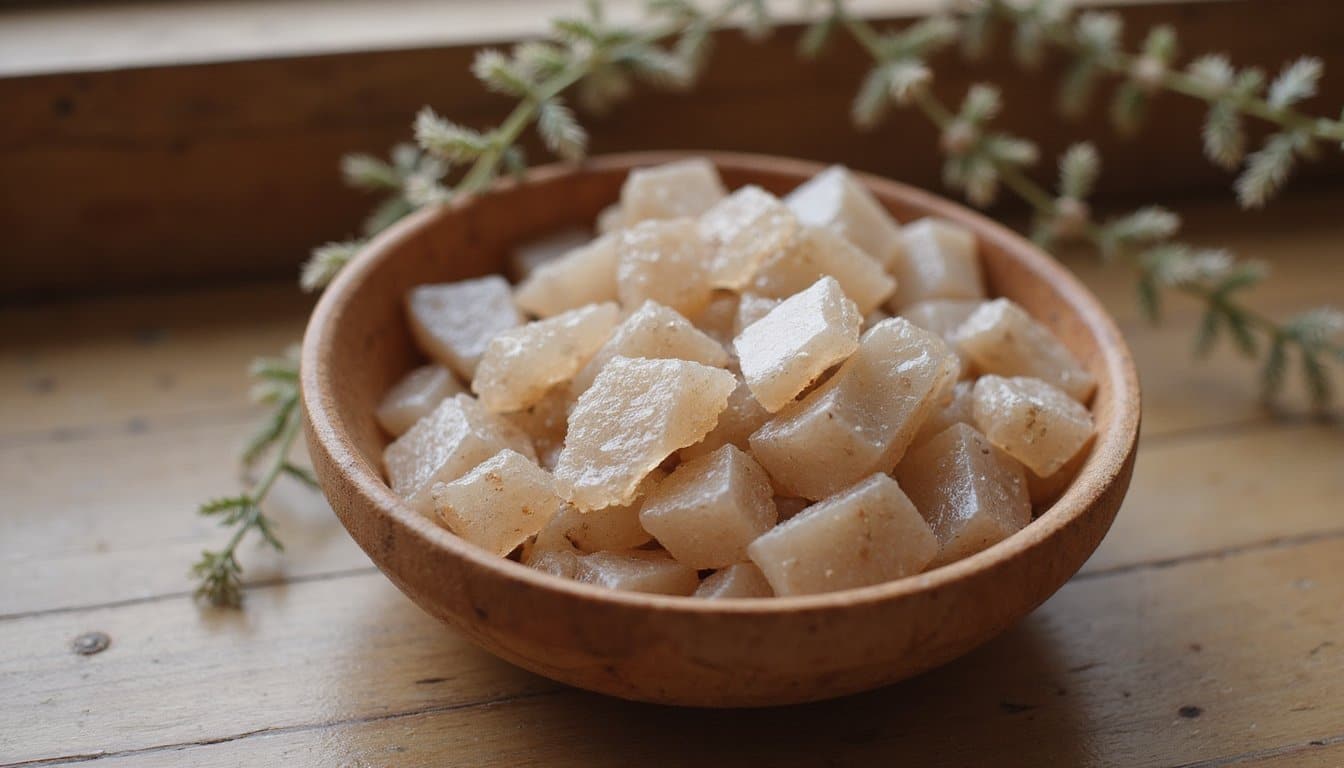
Methamphetamine produces distinct chemical odors that vary based on purity, form, and method of use. You’ll encounter sharp ammonia scents as the dominant characteristic, often accompanied by acetone’s sweet, fruity notes resembling nail polish remover. Many people report meth smell like cat pee due to ammonia residues present in impure samples. Methamphetamine produces distinct chemical odors that vary based on purity, form, and method of use, which contrasts with the effects of phentermine on weight loss that primarily involve appetite suppression rather than sensory changes. You’ll encounter sharp ammonia scents as the dominant characteristic, often accompanied by acetone’s sweet, fruity notes resembling nail polish remover, and many people report a smell like cat urine due to ammonia residues present in impure samples.
When you’re near smoked meth, you’ll detect burnt plastic or rubber odors with subtle sweet undertones. Crystal meth releases a tangy, urine-like scent when heated. Powdered forms remain relatively odorless if pure but emit weak ammonia notes when contaminated.
The smell’s intensity depends on volatile organic compounds released during use. You may also notice vinegar-like, sulfurous, or metallic undertones from chemical byproducts and impurities in street-grade methamphetamine. The odor is strong enough that it lingers in clothing, furniture, and carpets for extended periods, making it one of the primary indicators of use in residential spaces. If you detect this pungent chemical odor, you should evacuate immediately to minimize potential exposure to hazardous residues.
Does Crystal Meth Smell Different Than Powder?
Crystal and powder methamphetamine share identical chemical compositions, yet their odor profiles differ based on purity levels and residual manufacturing compounds. You’ll notice crystal meth typically emits a stronger methamphetamine odor, often described as tangy ammonia or cat urine, due to volatile residues retained during crystallization. Does meth smell like ammonia? Yes, particularly in crystal form where anhydrous ammonia from production remains detectable.
Powder meth often presents as nearly odorless unless contaminated with cutting agents. The cooking meth smell, acetone, ether, and hydrochloric acid, adheres more readily to crystal structures. When heated, the meth smoke smell intensifies, releasing chemical vapors that linger on surfaces. When smoked, meth can produce a burnt rubber or plastic smell that clings to clothing and personal belongings. Both forms carry solvent-like notes, but crystal consistently produces more pronounced emissions upon handling or combustion. Heavily cut meth may produce even stronger odors of vinegar or rotten eggs due to impurities introduced during manufacturing.
What Does Meth Smell Like When Smoked?
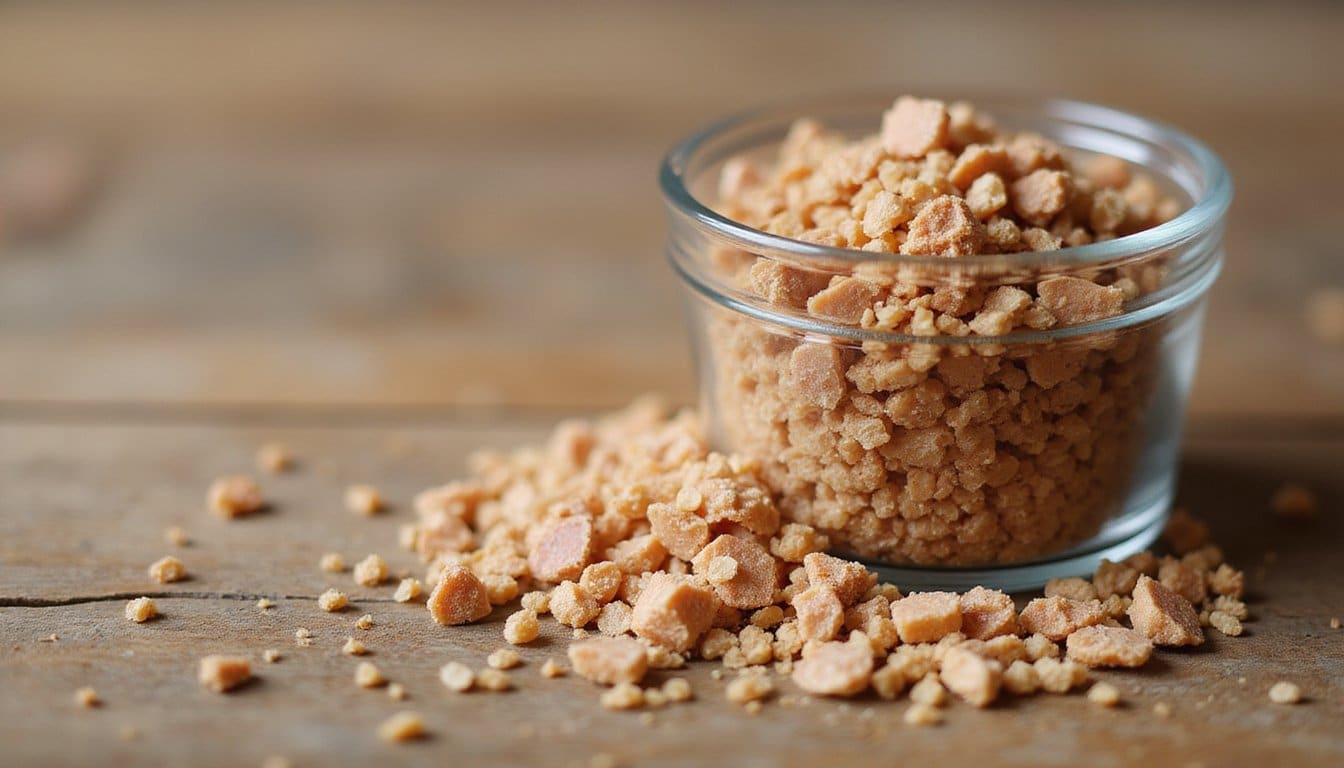
When smoked, meth produces a distinct burnt chemical odor that differs markedly from its crystalline form. You’ll notice the vaporization process creates a sharp, acrid smell resembling melting plastic or burning chemicals. Unlike other stimulant drugs, smoked methamphetamine releases a uniquely synthetic aroma with sweet undertones beneath harsh fumes. Smoked meth has a lighter, sweet smell compared to the harsh odors associated with meth production. People who experience phantom smells often describe them as sweet, sour, or even foul, creating a confusing sensory experience. Individuals affected may perceive these scents even in the absence of any real odor, leading to uncertainty and discomfort. Understanding what does phantom smells smell like can help in recognizing the potential underlying health issues that may need addressing.
| Odor Characteristic | Description |
|---|---|
| Primary scent | Burnt chemical, melting plastic |
| Secondary notes | Sweet, metallic, synthetic |
| Persistence | Lingers on clothing, furniture, air |
| Detection area | Concentrated locally, dissipates gradually |
The high-temperature vaporization releases toxic compounds that irritate respiratory systems. You can differentiate this smell from household chemicals by its layered, persistent profile. The odor remains detectable in enclosed spaces and leaves residue on surfaces, serving as a key indicator for identifying methamphetamine use. Additionally, meth users may emit an ammonia-like body odor through their sweat, which can serve as another telltale sign of drug use.
Why Does Meth Smell Like Cat Pee?
The distinctive cat urine odor associated with meth production stems directly from methylamine and anhydrous ammonia, two key chemicals used during synthesis. When you’re trying to understand what does meth smell like, these compounds create a sharp, sour scent profile nearly identical to concentrated feline urine.
Key chemical indicators include:
- Methylamine gas produces the characteristic sour, ammonia-like sharpness
- Anhydrous ammonia volatilizes during reactions, creating irritating vapors
- Manufacturing byproducts release persistent urine-like compounds
- Volatile organic chemicals concentrate in enclosed spaces
You’ll notice this odor differs from actual cat urine through its chemical intensity and persistence on porous materials. The smell often triggers eye watering and respiratory discomfort, signaling potentially hazardous exposure levels near active production sites. If you detect a sudden urine smell in unusual or unexpected places, this may indicate that meth is being produced or cooked nearby. Detecting this distinctive cat urine scent should prompt you to report it to authorities immediately for investigation.
Is It Dangerous to Breathe in Meth Fumes?
Breathing meth fumes poses significant health risks that extend beyond the immediate user to anyone in proximity. When you’re exposed to toxic fumes from a meth lab smell or secondhand smoke, your lungs sustain measurable damage. Research shows inhalation increases microvascular permeability, elevates lactate dehydrogenase levels indicating cell death, and damages airway epithelial cells within hours of exposure.
Your body responds to these toxic fumes through oxidative stress, with free radical generation rising 35-46% above normal levels. Inflammatory cytokines TNF-α and IL-6 increase dose-dependently, triggering systemic responses. You may experience respiratory symptoms including bronchospasm, wheezing, and shortness of breath. Beyond pulmonary effects, exposure causes headaches, dizziness, cardiovascular changes, and gastrointestinal distress. Children and individuals with pre-existing conditions face heightened vulnerability to these documented health consequences. Many websites providing detailed information about meth exposure use Cloudflare’s security service to protect their resources from online attacks while ensuring reliable access for those seeking help. As the most widespread illegally used stimulant in the U.S., methamphetamine exposure through smoking has become increasingly common, making awareness of these dangers critical for public health.
Your Journey to Recovery Starts Now
If you or someone you love is struggling with drug addiction, you do not have to face it alone. At New Jersey Outpatient Detox, we are here to guide you toward the right Drug Detox Programs that fit your needs and support your path to lasting recovery. Call (844) 866-4590 today and let us help you take back control of your life.
Frequently Asked Questions
How Long Does Meth Smell Linger in a Room After Use?
Meth odor can linger in a room for weeks or even months after use if you don’t address it properly. The chemical residue adheres to porous materials like walls, carpet, and furniture, preventing quick dissipation. You’ll find that simple cleaning won’t eliminate it because contamination embeds itself into surfaces. These residues can also reactivate and release back into the air when disturbed, prolonging exposure. Professional decontamination is typically required for complete removal.
Can Meth Odor Seep Into Walls and Furniture Permanently?
Yes, meth odor can permanently seep into your walls and furniture. Chemical vapors from production penetrate porous materials like drywall, upholstery, and fabrics. Volatile organic compounds, ammonia, and solvent fumes embed deeply into these surfaces, creating persistent contamination. Standard cleaning won’t remove these residues, you’ll likely need professional decontamination. In severe cases, you may have to replace furniture entirely or seal and remove affected walls to eliminate the odors completely.
What Should I Do if I Smell Meth Near My Home?
If you detect strong chemical odors resembling ammonia, cat urine, or acetone near your home, you should evacuate immediately and avoid investigating the source. Don’t attempt to ventilate the space yourself, volatile organic compounds from meth production pose serious respiratory hazards and explosion risks. Contact your local police department and provide specific details about the odor’s characteristics, location, and duration. Authorities will deploy hazardous materials teams trained for safe assessment and remediation.
Does Meth Smell Different Depending on How It Was Manufactured?
Yes, you’ll notice distinct odors depending on the synthesis route. If producers use the Birch or shake-and-bake method, you’re more likely to detect strong ammonia from fertilizer-based reagents. Red phosphorus/iodine methods emit harsh, acidic chemical fumes. P2P-based production generates different solvent odors during reductive amination. Each pathway involves unique precursors and reactions, creating characteristic smell profiles, though environmental factors and ventilation greatly/considerably/markedly affect what you’ll actually perceive.
Can Air Fresheners or Cleaning Products Mask Meth Odors Effectively?
Air fresheners and cleaning products can’t effectively mask meth odors long-term. While you’ll notice temporary concealment, the underlying chemical compounds, ammonia, solvents, and volatile residues, persist in porous materials like drywall, carpet, and HVAC systems. Trained professionals and law enforcement can detect meth’s distinctive odor profile despite masking attempts. Commercial fragrances simply overlay the smell without neutralizing embedded particles. You’ll need professional remediation to eliminate contamination rather than relying on surface-level masking solutions.