



You can sometimes identify drugs by smell, marijuana’s skunky terpenes, meth’s ammonia-like sharpness, or heroin’s vinegary odor, but this method isn’t reliable. Street drugs contain varying adulterants that alter scent profiles unpredictably. Most critically, fentanyl is completely odorless even at lethal doses, and it’s now present in 40-50% of heroin samples. Sniff testing creates dangerous false confidence when trace amounts of fentanyl can kill. Safer identification methods exist that don’t put you at risk.
What Marijuana, Meth, Heroin, and Crack Smell Like
Many people believe they can identify illegal substances by smell alone, but this approach carries significant limitations and risks. When exploring drug odor myths, you’ll find marijuana produces a distinctive skunky scent from myrcene terpenes, while methamphetamine emits ammonia-like chemical odors resembling cat urine. Heroin releases a vinegary smell from manufacturing impurities, and crack cocaine smells like acetone or burning plastic when smoked. Research using solid-phase microextraction and gas chromatography-mass spectrometry has identified over 31 volatile compounds in marijuana’s headspace, yet high chemical concentration doesn’t necessarily correlate with the most noticeable odor. Cannabis aromas can range from citrusy and fruity to earthy or spicy depending on the strain, since terpenes rather than THC create the plant’s distinctive smell profile.
However, asking “can you identify drugs by smell” reveals significant problems. Legal substances like mangoes, cleaning products, and nail polish produce identical odors. Harm reduction experts emphasize that smell-based identification leads to false assumptions and potential exposure to toxic residues. You shouldn’t investigate unknown substances yourself, proper testing and professional assessment provide the only reliable identification methods while protecting your safety. However, asking whether you can identify drugs by smell reveals significant problems, especially when considering what do drugs smell like when burned, as many everyday substances like mangoes, cleaning products, and nail polish can produce similar odors. Harm reduction experts emphasize that smell-based identification leads to false assumptions and potential exposure to toxic residues, so you shouldn’t investigate unknown substances yourself, proper testing and professional assessment provide the only reliable identification methods while protecting your safety.
Can You Identify Fentanyl by Smell?
Fentanyl presents a uniquely dangerous challenge because it’s completely odorless in all forms, whether as powder, pressed pills, or mixed with other substances. Unlike heroin’s vinegar-like scent or methamphetamine’s chemical odor, fentanyl provides no sensory warning signs whatsoever.
Some users claim they detect a burnt popcorn smell when smoking fentanyl, but this isn’t scientifically verified. Any drug smell you notice likely comes from other substances mixed with fentanyl, not the synthetic opioid itself. The addition of masking agents or other substances can create a variety of scents, meaning fentanyl-laced drugs may have no discernible odor or may smell like the other substances present.
You cannot rely on substance identification through smell, taste, or sight with fentanyl. The only reliable fentanyl detection method involves test strips, which are 96% to 100% accurate in identifying the drug and its analogs. Traditional sensory methods are completely ineffective and dangerously misleading for this potent substance. This is especially critical because fentanyl is 50 to 100 times stronger than morphine, meaning even trace amounts can be fatal.
Why Drug Smells Change Based on Purity and Form
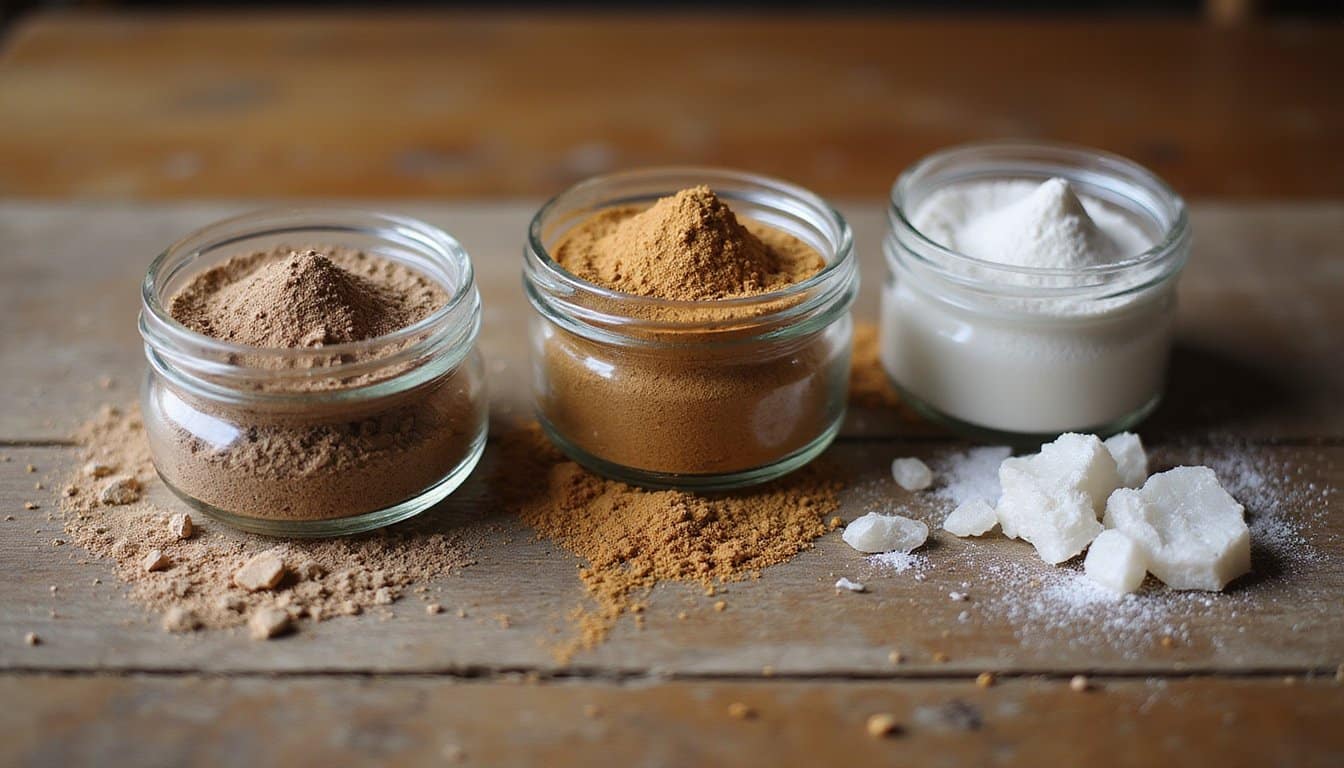
When you encounter a drug, its smell depends heavily on how pure it is, pure heroin and cocaine are often nearly odorless, while street versions carry strong chemical or acidic scents from processing residues. The form and method of use also matter: smoking heroin releases a sweet, burnt odor that lingers on surfaces, whereas smoked meth produces sharp aromas resembling cleaning products or burnt plastic. Cutting agents like baking soda, gasoline, or ammonia further alter these smells, making it impossible to reliably identify a substance based on odor alone. Additionally, PCP smoke produces a distinct permanent marker-like smell that sets it apart from other substances when smoked. Crack cocaine, when smoked, emits a sweet, ether-like vapor that can also resemble burnt plastic or rubber due to its chemical composition.
Purity Alters Scent Intensity
Drug purity directly shapes how intense or faint a substance smells, and the relationship isn’t straightforward. Odor activity values determine actual scent impact by dividing concentration by detection threshold. You can’t predict smell intensity from raw abundance alone, compounds with low detection thresholds dominate perception even at minimal concentrations.
Higher purity drugs alter proportions of volatile compounds considerably. Street samples fluctuate in purity and adulterants, changing what you’d detect. A 50 kg marijuana sample doesn’t just double compounds; it increases odor impact by two orders of magnitude. Drug age and adulterants can significantly affect VOC emissions and their overall odor impact.
Residual odors persist in containers after removal, with intensity tied to prior concentration. You should understand that varying purity across seized samples creates inconsistent odor profiles. Cocaine processed with chemicals like gasoline, kerosene, or ammonia can retain those industrial smells, masking or altering the drug’s natural sweet floral scent. This variability makes smell-based identification unreliable without proper testing methods.
Form Affects Odor Release
Beyond purity variations, a substance’s physical form fundamentally changes how odor molecules reach your nose. Controlled release mechanisms, whether through polymer matrices or membrane diffusion, determine how quickly volatile compounds escape into the air. A powdered substance releases odorants differently than a liquid or encapsulated form, with release durations varying from hours to months.
Your olfactory system responds to these variables in complex ways. Research shows molecular form affects receptor affinity, meaning the same compound in different physical states activates receptors with varying intensity. Additionally, ester position impacts OSN activation, with terminal esters triggering more olfactory sensory neurons than medial esters. Complicating matters further, a single odorant molecule may bind to multiple olfactory receptors with varying affinities, creating different perception patterns depending on concentration and form. Just as individual body odor is unique like a fingerprint due to personal biochemistry, the way each person perceives the same substance can vary significantly.
These factors make smell-based identification unreliable. You’re detecting release rates and molecular interactions, not the substance itself. Professional testing remains essential for accurate identification.
Adulterants Mask Original Smells
Street-level substances rarely contain only the drug you’d expect, adulterants fundamentally alter what you smell. BTMPS, a common fentanyl adulterant, introduces plastic or bug-spray odors that mask fentanyl’s natural odorlessness. Users have described BTMPS as having a rubbery or synthetic smell that tastes unpleasant. Levamisole in cocaine creates metallic undertones while suppressing typical scent profiles. These changes mean the answer to “do drugs have a smell” depends entirely on purity and cutting agents.
When you detect a drug smell from neighbors, you’re likely smelling adulterants, not the drug itself. Lower purity reduces key odor-active compounds while introducing foreign chemical signatures. Methamphetamine cut with certain chemicals produces ammonia-like stenches absent from pure forms.
Understanding these limitations matters because is smelling drugs dangerous? Potentially, but misidentification based on adulterated odors creates additional risks through false assumptions about what’s present.
Why Smell Alone Can’t Confirm What Drug It Is
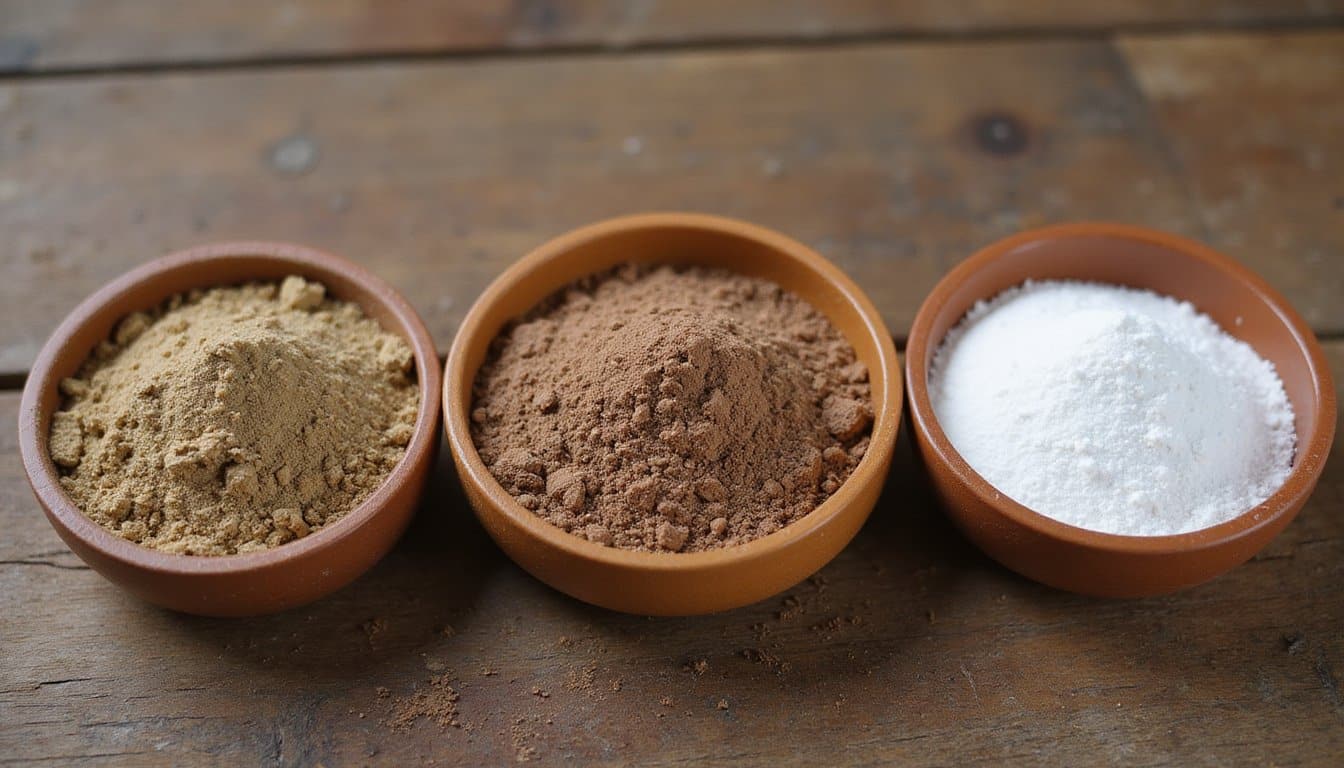
Although your nose might detect a sharp chemical odor or sweet undertone, smell alone can’t reliably identify which drug you’re encountering. Multiple substances share overlapping scent profiles, ecstasy carries chemical notes similar to other synthetics, while ketamine’s bitter, medicinal smell mimics general pharmaceuticals. Fentanyl often remains completely odorless, evading detection entirely. The question of what does cocaine smell like often arises, as many users describe it as having a distinct, sometimes sweet scent reminiscent of various household products. However, the perception of its odor can vary significantly depending on the presence of impurities or additives, which can alter the natural aroma.
Street drugs complicate matters further. Additives and cutting agents homogenize scents across different substances, making unique identification impossible. Manufacturing variations create inconsistent chemical profiles even within the same drug type. The purity and additives in street drugs are often mixed with other substances that significantly alter the expected scent.
Proper substance education emphasizes that you shouldn’t rely on olfactory cues for confirmation. Large-scale studies found no statistically significant correlation between specific drugs and distinct odor signatures after controlling for confounders. Your safest approach involves professional testing and harm-reduction resources rather than trusting sensory impressions that can easily mislead you.
The Real Danger of Sniff Testing for Fentanyl
Because fentanyl remains completely odorless even at lethal concentrations, sniff testing can’t protect you from this synthetic opioid that’s 50 to 100 times more potent than morphine. Just two milligrams, an amount invisible to the naked eye, can cause fatal respiratory depression within minutes.
When you snort cocaine, heroin, or other street drugs, you can’t detect fentanyl contamination through smell. Forensic data shows fentanyl present in 40-50% of heroin samples. In Oregon, fentanyl-related overdose deaths quadrupled between 2020 and 2022, reaching 843 fatalities. Illegally made fentanyl is often added to drugs like cocaine and methamphetamine to make them cheaper and more addictive, meaning contamination extends far beyond opioid supplies.
Fentanyl test strips detect contamination in five minutes and correlate with higher overdose risk reduction scores. However, even these tools miss potent analogs like carfentanil. You should never rely on sensory methods when synthetic opioids dominate the illicit drug supply.
How to Identify Drugs Without Smelling Them
Given fentanyl’s complete lack of odor and visual distinctiveness, you’ll need reliable identification methods that don’t depend on your senses. Fentanyl test strips offer the most accessible solution, dissolve a small sample in water, dip the strip, and you’ll have results within minutes. These strips detect fentanyl in cocaine, heroin, methamphetamine, and mixed substances without destroying your sample.
For more advanced detection, fluorescence-based sensors can identify multiple drugs including methamphetamine and ketamine at parts-per-billion concentrations without physical contact. Electronic nose devices rapidly detect drug-derived volatile compounds, mimicking canine detection capabilities. Research into how phentermine affects appetite control has gained significant attention, particularly in the context of weight management therapies. Understanding its mechanisms can help optimize treatments for obesity while minimizing potential side effects. This knowledge can lead to better patient outcomes and improve adherence to prescribed regimens.
You should never rely on visual inspection alone. Fentanyl-laced pills perfectly mimic legitimate pharmaceuticals in color, shape, and size. Chemical verification remains your only dependable safeguard against substances that offer no sensory warning signs.
When to Use Fentanyl Test Strips Instead
How reliably can you determine whether street drugs contain fentanyl? Smell won’t help you, it’s unreliable and potentially dangerous. Fentanyl test strips offer a far more accurate alternative, detecting fentanyl and at least 10 analogs with 96-100% accuracy in under five minutes.
You should use test strips whenever you’re uncertain about a substance’s contents. Dissolve a small amount in sterile water, dip the strip for 15 seconds, then wait five minutes. Two pink lines mean no fentanyl detected; one line or none requires retesting.
However, recognize their limitations. Strips don’t measure potency, may cross-react with methamphetamine if insufficiently diluted, and can miss unevenly distributed fentanyl. Research shows strip users demonstrate safer behaviors, including keeping naloxone nearby. At roughly one dollar each, they’re an accessible, evidence-based harm reduction tool.
Your Journey to Recovery Starts Now
If you or someone you love is struggling with drug addiction, you do not have to face it alone. At New Jersey Outpatient Detox, we are here to guide you toward the right Drug Detox Programs that fit your needs and support your path to lasting recovery. Call (844) 866-4590 today and let us help you take back control of your life.
Frequently Asked Questions
Can Drug Use Permanently Damage Your Sense of Smell?
You likely won’t experience permanent smell damage from most drug use, based on current evidence. Large population studies show no statistically significant link between illicit drug use and olfactory dysfunction. Even heavy cocaine users with nasal tissue damage typically retain normal smell function on psychophysical testing. However, chronic methamphetamine use causes olfactory deficits in animal models through brain changes, though human translation remains limited. Research continues on dose-dependent effects and mechanisms.
Do Prescription Medications Affect Your Ability to Detect Drug Odors?
Yes, prescription medications can markedly alter your ability to detect odors, including drug-related smells. If you’re taking five or more medications, you’ve got 70% greater odds of experiencing phantom odors or impaired smell. Specific drugs, antibiotics, antidepressants, steroid nasal sprays, and proton pump inhibitors, can diminish olfactory function. This variability makes smell an unreliable indicator for identifying substances, reinforcing why you shouldn’t depend on odor detection alone.
Can Dogs Smell Fentanyl Safely When Humans Cannot?
Yes, trained dogs can detect fentanyl more safely than you can, though risks exist. Dogs possess olfactory systems approximately 40 times more efficient than yours and require 10-20 times higher fentanyl doses per body weight for sedation. However, DEA warnings note canines face exposure risks, and handlers should carry naloxone. While reported clinical incidents remain low, you shouldn’t assume detection is completely risk-free, proper training and safety protocols remain essential.
Are There Any Legal Substances Commonly Mistaken for Drug Smells?
Yes, you’ll find many legal substances produce odors mistaken for drugs. Household cleaners and solvents mimic methamphetamine’s ammonia-like smell. Vinegar, fermented foods, and kombucha share heroin’s acidic scent. Prescription medications, flavored pills, and cough syrups emit sweet or chemical aromas similar to fentanyl or MDMA. Industrial chemicals and burnt plastics resemble crack cocaine’s odor. These overlaps demonstrate why you shouldn’t rely on smell alone for identification, it’s scientifically unreliable.
What Should You Do if You Accidentally Inhale Unknown Drug Particles?
Move to fresh air immediately and stop further exposure. Call emergency services if you experience breathing difficulties, chest pain, or neurological symptoms like seizures or confusion. Remove contaminated clothing and rinse your eyes, nose, and mouth with water if irritation occurs. Don’t induce vomiting. Even small amounts of substances like fentanyl can prove lethal when inhaled, so you shouldn’t delay seeking professional medical assessment regardless of symptom severity.