





Yes, phentermine shows up on a saliva drug test and will likely trigger a false positive for amphetamines. The drug’s chemical structure closely resembles amphetamines, causing immunoassay antibodies to cross-react and flag it as a positive result. You can expect phentermine to remain detectable in your saliva for 24-48 hours after your last dose, though individual factors like metabolism and kidney function can shift this window. Understanding what influences clearance time can help you prepare.
Yes, Phentermine Shows Up on Saliva Drug Tests
When you take phentermine, the drug can appear on a saliva drug test for approximately 24 to 48 hours after your last dose. This detection window reflects phentermine’s average elimination half-life of 19 to 24 hours, meaning your body requires roughly 4 to 5 half-lives for complete clearance. does phentermine show up on a drug test is a common question among users concerned about potential employment screening or legal issues. It’s important to understand that various types of drug tests may have different detection capabilities, and some might not specifically test for phentermine. Always consult with a healthcare professional or the testing agency for the most accurate information regarding drug screening.
Your metabolism plays a critical role in determining how long phentermine remains detectable. Factors including kidney function, dosage frequency, and overall health directly influence clearance rates. Younger individuals with healthier organ function typically process and eliminate the drug more quickly than older adults. Because phentermine shares structural similarities with amphetamines, standard drug screening panels may flag it as a positive result. Higher levels of body fat can also influence how the drug is distributed and metabolized in your system.
Confirmatory testing distinguishes phentermine from illicit substances through advanced analytical methods. Methods such as GC-MS or LC-MS/MS can accurately differentiate phentermine from amphetamines when initial screenings show cross-reactivity. If you’re prescribed phentermine and face an upcoming saliva drug test, consult your healthcare provider to guarantee proper documentation of your prescription. Confirmatory testing distinguishes phentermine from illicit substances through advanced analytical methods. Techniques such as GC-MS or LC-MS/MS can accurately differentiate phentermine from amphetamines when initial screenings show cross-reactivity. This is important when considering does phentermine show up in urine drug test, as standard immunoassays may flag it before confirmatory analysis clarifies the result. If you’re prescribed phentermine and face an upcoming saliva drug test, consult your healthcare provider to ensure proper documentation of your prescription.
Why Phentermine Triggers a False Positive for Amphetamines
Most standard drug screening panels flag phentermine as amphetamine-positive because the two compounds share nearly identical chemical structures. When you take phentermine, immunoassay antibodies designed to detect amphetamine and methamphetamine bind to its molecular fragments, triggering a false positive result. These screening tests cast a wide net, prioritizing sensitivity over specificity.
You’ll need confirmatory testing to distinguish phentermine from illicit stimulants. Gas chromatography-mass spectrometry analyzes specific molecular structures, separating phentermine’s unique profile from methamphetamine despite their similar base peak ions. Liquid chromatography-tandem mass spectrometry offers even greater precision, definitively identifying the compound present.
If you’re prescribed phentermine, carry documentation of your prescription. Without confirmatory analysis, an immunoassay alone cannot differentiate your legitimate medication from controlled substances, potentially affecting employment, legal proceedings, or medical care decisions.
How Long Does Phentermine Stay Detectable in Saliva?
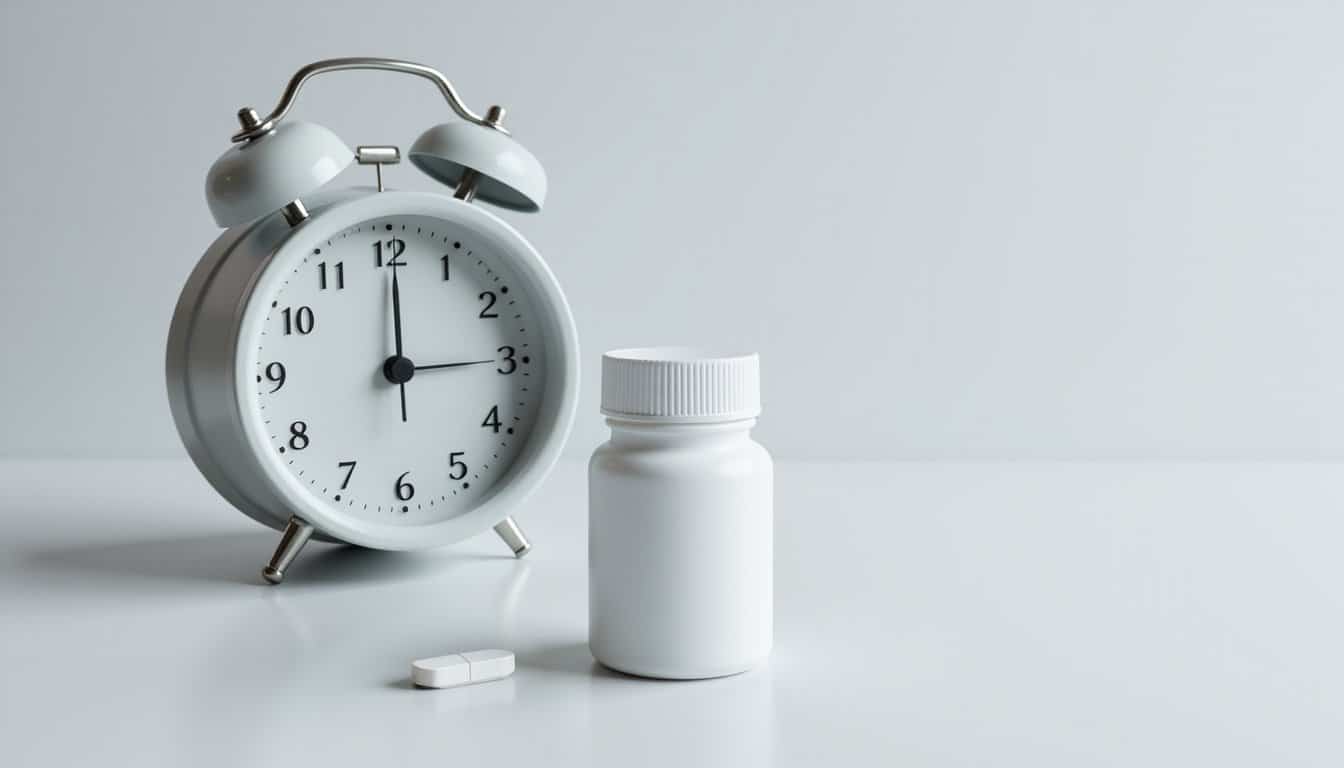
Phentermine typically remains detectable in saliva for 24 to 48 hours after your last dose, though individual variability can shift this window slightly in either direction. The drug’s pharmacokinetics explain this timeline: with an elimination half-life of 19 to 24 hours, your body requires approximately four to five half-lives to clear 94 to 97 percent of the compound from circulation.
During oral fluid testing, detection depends on factors including your dosage, metabolic rate, kidney function, and urinary pH. Higher doses may extend detectability, while efficient renal clearance shortens it. Compared to urine testing’s three to five day detection window, the saliva drug test captures only recent use. Understanding your personal half life variables helps you anticipate when phentermine concentrations will fall below standard screening thresholds.
Why Some People Clear Phentermine Faster Than Others
Your body’s ability to eliminate phentermine depends on several interacting physiological variables, which explains why the 24 to 48 hour saliva detection window doesn’t apply uniformly to everyone.
Metabolism rate directly influences how quickly you clear the drug, with faster metabolic processes completing the 20-hour half-life cycle more efficiently. Consider these key factors:
- Age impact: Older adults exhibit 20-30% slower clearance due to reduced enzyme activity, extending detection up to 6 days
- Dosage frequency: Chronic use causes accumulation, delaying elimination beyond the standard 4-day timeframe
- Body composition: Higher body fat retains lipophilic phentermine longer, adding 1-2 days to clearance
- Hydration liver function: Healthy liver processing speeds elimination by 25-50%, while dehydration impairs renal excretion
These variables interact uniquely in each individual, creating substantial person-to-person variability.
How Saliva Compares to Urine and Hair Testing
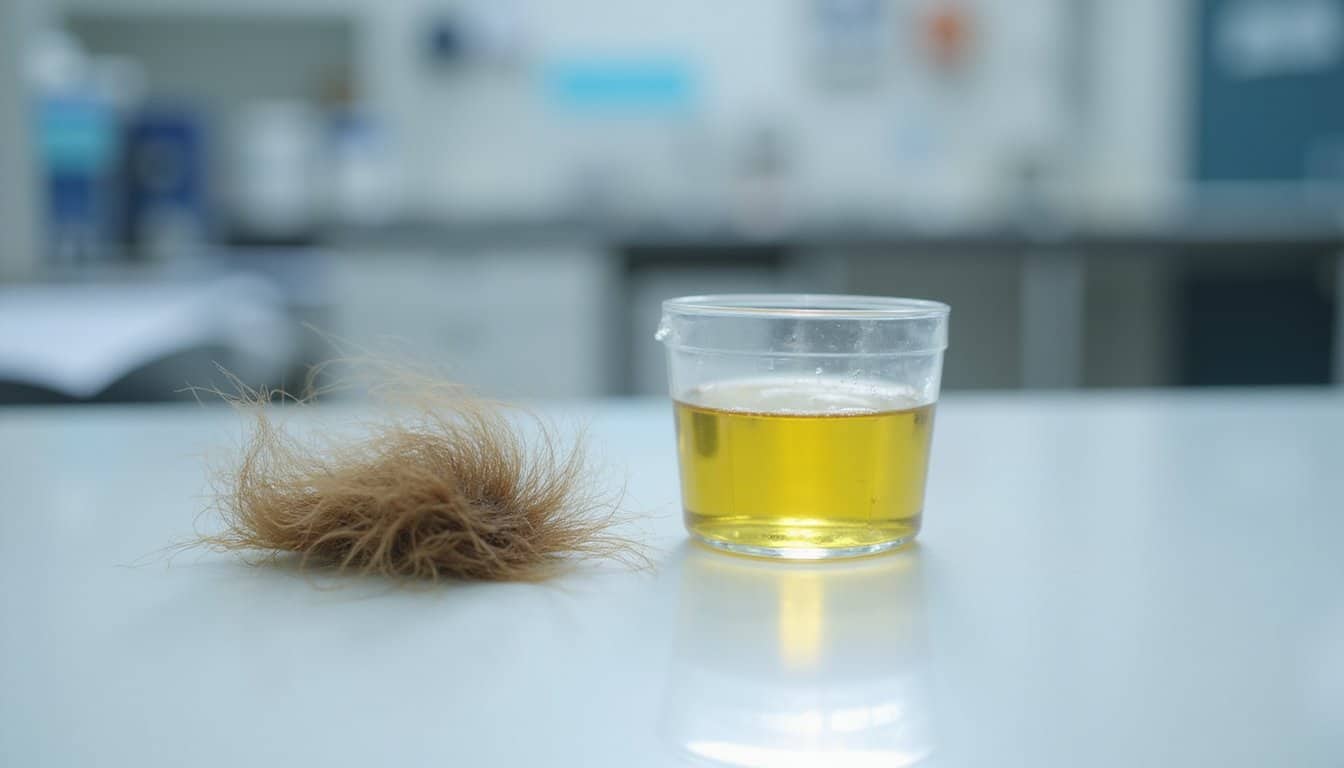
When you’re facing a drug test for phentermine, understanding how saliva, urine, and hair testing methods differ can help you anticipate results. Saliva tests detect phentermine within a 24-48 hour window, while urine extends detection to 1-3 days, and hair analysis can reveal use for up to 90 days or longer. Each method also varies in collection procedures, accuracy levels, and resistance to tampering, which directly affects how your phentermine use might be identified.
Detection Window Differences
How long phentermine remains detectable depends heavily on which biological sample a drug test analyzes. With a phentermine half life of 19-24 hours and limited phentermine metabolism in the liver, clearance rates vary noticeably across testing methods.
- Saliva drug test: Detection time in oral fluid spans 24-48 hours, making the oral fluid drug testing window ideal for identifying recent use
- Urine testing: Detects phentermine for 1-4 days, sometimes extending to a week depending on urinary pH
- Blood testing: Limited to approximately 24 hours, primarily useful for current intoxication
- Hair testing: Captures use up to 90 days, reflecting chronic exposure patterns
When comparing saliva vs urine drug test methods, you’ll find saliva offers the shortest detection window while urine provides moderate-range screening capabilities.
Collection Method Variations
Although detection windows determine how long phentermine remains identifiable, the collection method itself shapes the practical experience of drug testing for both administrators and test subjects. Saliva collection offers superior collection speed, typically requiring only seconds to minutes compared to urine’s potential 15-minute delays from shy bladder complications.
Observation and tampering concerns favor oral fluid drug testing. You can undergo direct supervision without privacy violations, whereas urine collection demands specialized facilities and increases adulteration risks. Hair testing minimizes tampering through visible sampling but lacks the oral fluid drug testing window’s ability to detect recent use.
Saliva drug test accuracy depends on proper chain of custody protocols and specimen validity testing. Modern collection devices maintain sample stability for up to 21 days, reducing logistical burdens while preserving evidentiary integrity for confirmatory analysis.
Accuracy and Reliability
Several factors determine whether a saliva drug test produces accurate results for phentermine detection, and understanding these variables helps you interpret screening outcomes correctly. The oral fluid drug testing window 24 to 48 hours limits retrospective detection compared to urine or hair methods. Immunoassay specificity remains a concern because phentermine can trigger a false positive for amphetamines during initial screening.
Key accuracy considerations include:
- Confirmatory GC MS testing definitively distinguishes phentermine from illicit amphetamines
- Drug test cutoff levels for amphetamines in saliva typically range around 50 ng/mL
- Saliva vs blood testing shows comparable detection windows of approximately 24 hours
- Individual hydration and oral pH cause concentration fluctuations affecting reliability
You’ll find saliva testing difficult to adulterate, though confirmatory analysis remains essential for conclusive results when phentermine use is involved.
What Happens If Phentermine Triggers a Positive Result?
When phentermine triggers a positive result on a saliva drug test, the screening immunoassay has detected a substance structurally similar to amphetamines, not necessarily confirmed illicit drug use. This false positive occurs because immunoassay technology cross-reacts with phentermine’s molecular structure, which closely resembles amphetamine compounds.
You shouldn’t panic if this happens. The next step involves confirmatory testing using gas chromatography-mass spectrometry or liquid chromatography-tandem mass spectrometry. These advanced methods identify phentermine’s specific molecular fingerprint, distinguishing it from illegal substances.
Your prescription disclosure becomes critical at this stage. You’ll need to provide documentation of your legitimate phentermine prescription to the medical review officer. They’ll verify your prescription against the phentermine detection results. Once confirmed, the positive screening result is typically reclassified, protecting you from adverse employment or legal consequences stemming from your prescribed medication use.
What to Tell the Testing Authority Before Your Test
Before your saliva test, you should disclose your phentermine prescription to the testing authority at check-in, as this allows the medical review officer to verify your legitimate use and prevents misclassification of results. Bring your original prescription bottle, pharmacy records, and a physician’s note confirming current therapeutic use to provide immediate documentation. You can also request information about confirmatory testing options, such as GC-MS or LC-MS analysis, which can definitively distinguish phentermine from illicit amphetamines if your screening result requires verification.
Disclose Your Prescription Early
Because phentermine’s structural similarity to amphetamine can trigger a positive immunoassay screening result, you’ll want to disclose your prescription to the testing authority before providing your sample. Whether you’re taking Adipex-P or generic phentermine, prescription disclosure before drug test procedures safeguards you from misclassification.
Early notification allows the medical review officer to verify your legitimate prescription and apply appropriate protocols. Since how long does phentermine stay in saliva varies between 24-48 hours, workplace drug testing may detect recent doses.
Key steps for disclosure include:
- Contact the testing authority 24-48 hours before your scheduled oral swab drug test accuracy assessment
- Provide your prescribing physician’s name and pharmacy details
- Document your exact dosage and treatment duration
- Prepare verification of ongoing medical supervision for obesity management
This transparency guarantees confirmatory testing distinguishes prescribed phentermine from illicit substances. phentermine’s detection in drug testing is crucial for ensuring that patients are not wrongly penalized for using their prescribed medications. Additionally, proper testing methods can help differentiate between therapeutic use and misuse of the drug. This not only safeguards patient health but also upholds the integrity of testing protocols.
Bring Documentation With You
Notifying the testing authority represents only the first step; you’ll also need to arrive with physical documentation that substantiates your prescription claim. Under the Controlled Substances Act, phentermine requires verification protocols. Federal drug testing standards and Substance Abuse and Mental Health Services Administration mandatory guidelines permit medical review officers to evaluate legitimate prescriptions before confirming results.
| Documentation Type | Verification Purpose |
|---|---|
| Prescription bottle with label | Confirms patient identity, dosage, and dispensing pharmacy |
| Physician authorization letter | Validates medical necessity and cytochrome p450 system considerations |
| Pharmacy records printout | Establishes fill dates and compliance history |
Because does phentermine cause false positive for amphetamines remains a valid concern during an initial immunoassay screen, presenting these documents proactively allows differentiation between therapeutic use and illicit substances before results reach employers or administrators.
Request Confirmatory Testing Options
When you’re facing a saliva drug test while taking prescribed phentermine, requesting confirmatory testing options upfront can safeguard against a false positive from derailing your results. Initial immunoassay screens detect amphetamine-like substances but can’t distinguish phentermine from illicit stimulants. Ask the testing authority about advanced toxicology laboratory analysis methods that identify specific molecular structures.
Request these confirmatory testing options:
- Gas chromatography-mass spectrometry (GC-MS): Separates and identifies phentermine’s unique molecular signature from amphetamines
- Liquid chromatography-tandem mass spectrometry (LC-MS/MS): Provides precise molecular identification with high sensitivity
- Liquid chromatography mass spectroscopy: Offers definitive oral fluid phentermine assays
- Secondary laboratory verification: Confirms prescription medication presence beyond initial screening
You should verify the testing lab employs confirmatory testing protocols that validate legitimate prescriptions. This proactive approach safeguards preliminary positives from triggering immediate disqualification, instead prompting appropriate follow-up analysis.
Take the First Step Toward Recovery
If prescription drug addiction is taking over your life or someone you love, you do not have to face it alone. At New Jersey Outpatient Detox, we are ready to connect you with the right Prescription Stimulant Detox Programs to help you break free from dependency and live a healthier life. Call (844) 866-4590 today and start your journey to recovery.
Frequently Asked Questions
Can Drinking Water or Changing My Diet Speed up Phentermine Elimination Before Testing?
You can’t reliably speed up phentermine elimination through water or diet changes before a saliva test. While acidic urine slightly accelerates excretion and hydration dilutes urine concentrations, neither method markedly shortens saliva detection windows. Phentermine’s 19-24 hour half-life determines your baseline clearance rate, requiring 4-5 half-lives for full elimination. Overhydration may invalidate results due to dilution. Your individual metabolism, kidney function, and dosage influence detection far more than dietary interventions.
Will Taking Phentermine the Night Before Affect My Morning Saliva Test Results?
Yes, taking phentermine the night before will likely affect your morning saliva test results. Since saliva tests detect phentermine within a 24 to 48-hour window, an 8 to 12-hour gap between your dose and the test falls well within detectable range. Phentermine’s 19 to 24-hour half-life means substantial drug concentrations remain in your system. You should disclose your prescription to the testing administrator or medical review officer beforehand.
Does the Brand of Phentermine I Take Affect How It Shows on Tests?
No, the brand of phentermine you take doesn’t affect how it shows on tests. Whether you’re using Adipex-P, Lomaira, or a generic formulation, the active compound remains phentermine hydrochloride with identical chemical structure. Standard immunoassays react to this molecular structure uniformly across all brands. Confirmatory testing via GC-MS or LC-MS/MS identifies the specific compound regardless of manufacturer. Your prescription documentation, not the brand, determines how results are ultimately interpreted.
Can Secondhand Exposure to Amphetamines Cause a False Positive Alongside Phentermine Use?
You won’t find documented evidence that secondhand amphetamine exposure causes false positives on saliva drug tests. Current research doesn’t support passive inhalation as a realistic pathway to detectable amphetamine levels in oral fluid. However, phentermine alone can trigger preliminary positive results for amphetamines due to structural similarities. If you’re concerned about combined factors affecting your test, confirmatory analysis using GC-MS or LC-MS/MS will accurately distinguish phentermine from illicit amphetamines.
Are Home Saliva Drug Tests Accurate Enough to Predict My Official Screening Results?
Home saliva drug tests don’t reliably predict official screening results. You’ll find on-site devices detect only 65.1% of positives compared to 90.4% with lab confirmation. Mobile tests show false negative rates of 9-16% for THC and often fail to meet EU accuracy standards. Collection quality, sensitivity differences, and oral fluid stimulants can skew your results. You shouldn’t rely on home tests, mass spectrometry-based lab confirmation remains the gold standard for verification.