






What Happens When Adderall Enters Your System

When you take Adderall orally, your gastrointestinal tract absorbs the medication into your bloodstream with approximately 90% bioavailability. The absorption rate depends on your GI pH, alkaline environments enhance uptake, while acidic conditions reduce it. Food doesn’t decrease total absorption but delays peak concentration by about 2.5 hours.
Once absorbed, tissue distribution occurs rapidly. Approximately 80% of circulating amphetamine remains unbound to plasma proteins, freely available to exert effects. High blood flow organs, your brain, liver, and kidneys, receive higher concentrations quickly. Adderall efficiently crosses the blood-brain barrier, enabling its central nervous system effects. In the brain, Adderall increases dopamine availability in the frontal lobe, which helps improve focus and attention in those with ADHD. Lower-perfusion tissues like adipose accumulate the drug more slowly, contributing to a longer apparent half-life and extended presence in your system. Your liver metabolizes Adderall primarily through the CYP2D6 enzyme, and genetic variations in this enzyme can determine whether you process the medication slowly or rapidly. Adderall works by interacting with hTAAR1 and VMAT2 receptors in neurons to increase norepinephrine and dopamine activity throughout the brain.
Immediate-Release Adderall Duration and Peak Effects
Once Adderall reaches your bloodstream and crosses into brain tissue, the timeline of its effects becomes clinically relevant for managing your symptoms throughout the day.
Immediate-release Adderall typically begins working within 20, 60 minutes, with peak plasma concentration occurring around three hours post-dose. You’ll likely experience maximal symptom improvement during the 1, 3 hour window, when attention, executive functioning, and impulse control reach their highest levels.
The therapeutic duration spans approximately 4, 6 hours, requiring dosage timing adjustments of 2, 3 doses daily for adequate coverage. Peak effects variability depends on your metabolic rate, gastric pH, food intake, and tolerance development. Consuming meals with high-fat content before taking your dose can further delay absorption and shift your peak effects window. Because Adderall is habit-forming, patients should follow prescribed dosing schedules carefully to minimize the risk of dependence.
Unlike extended-release formulations, IR Adderall produces a more abrupt decline as plasma levels fall, which can create noticeable “wearing off” sensations toward the end of each dose cycle. Taking immediate-release Adderall late in the day can interfere with sleep, so timing your final dose appropriately is essential for maintaining healthy rest patterns.
Extended-Release Adderall Timeline and How It Differs
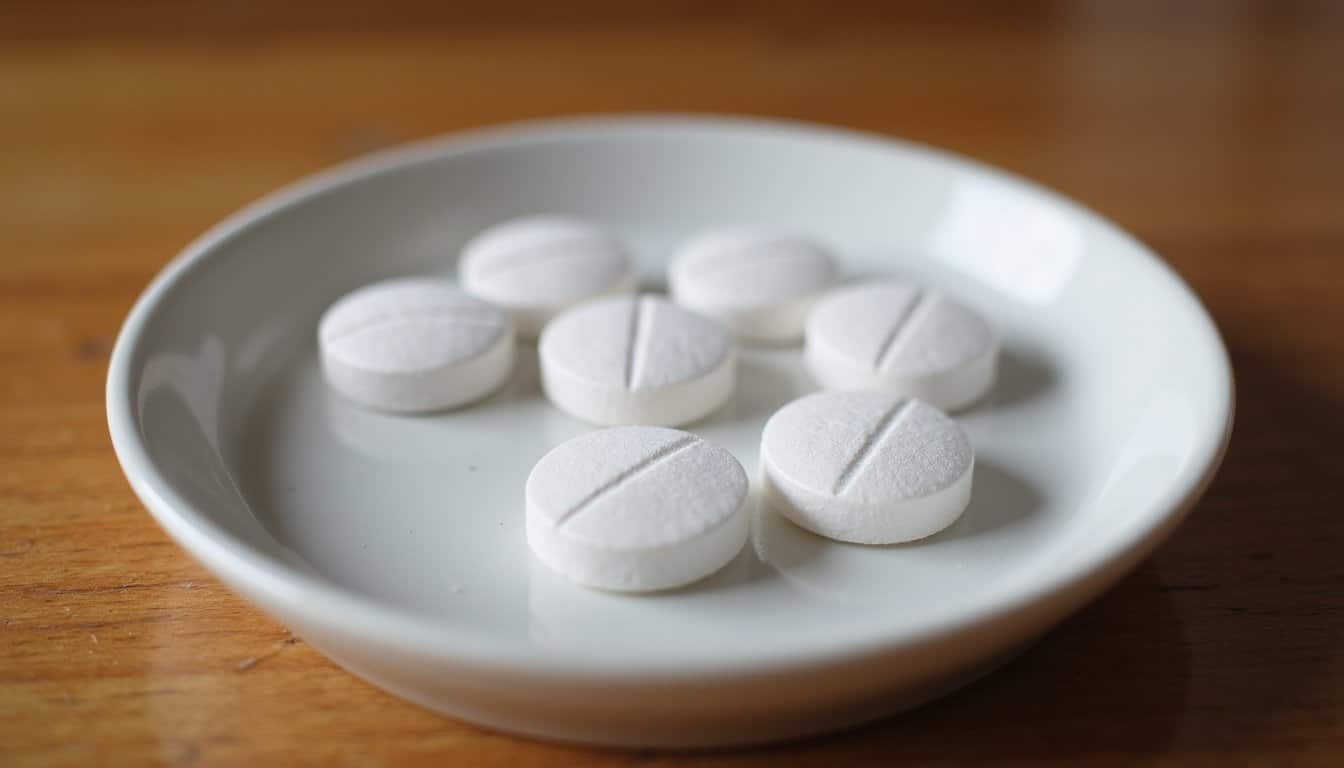
Because extended-release Adderall XR uses a dual-bead delivery system, it produces a distinctly different pharmacokinetic profile than its immediate-release counterpart. Half the beads dissolve immediately upon ingestion, while the remaining beads activate approximately four hours later. This mechanism delivers continuous symptom control for 10-12 hours with a single morning dose.
You’ll notice initial effects within 30-60 minutes, though peak concentration occurs 4-7 hours post-ingestion. Extended release management requires consistent daily scheduling, adequate hydration, and attention to meal timing for ideal absorption. Research indicates that 55-70% of ADHD subjects show clinically significant improvement when treated with amphetamine medications like Adderall XR.
Patient satisfaction with extended release formulations stems from simplified dosing regimens and elimination of midday medication needs. The gradual drug delivery maintains stable plasma concentrations throughout your day, reducing the pronounced peaks and valleys associated with immediate-release dosing while allowing withdrawal symptoms to develop more gradually. This slow-release mechanism means that Adderall XR withdrawal can last longer compared to immediate-release formulations when discontinuing use.
The Science Behind the Adderall High
When you take Adderall, amphetamine molecules trigger your neurons to release large amounts of dopamine into the synaptic cleft while simultaneously blocking its reuptake, creating an accumulation that produces the characteristic high. This surge primarily affects your mesolimbic pathway, the brain’s reward circuit, which explains why the experience feels reinforcing and pleasurable. The drug also elevates norepinephrine levels, amplifying alertness and energy while your brain chemistry temporarily shifts away from its baseline state. The intensity and duration of these effects vary significantly based on individual metabolic factors including age, body weight, and liver function. Extended-release formulations deliver a more gradual absorption, providing effects that can last up to twelve hours compared to the quicker peak of immediate-release versions.
Dopamine Release Mechanism
Adderall’s euphoric effects stem from a complex cascade of neurochemical events that dramatically increase dopamine levels in the brain’s reward circuits. When you take amphetamine, it enters neurons through monoamine transporters and disrupts VMAT2 activity regulation, forcing dopamine from storage vesicles into the cytoplasm.
This displacement triggers reverse transport through DAT, flooding synapses with dopamine independent of normal signaling. Transporter localization dynamics shift as TAAR1 activation causes transporter internalization, reducing reuptake capacity. The resulting elevated dopamine and norepinephrine act as neurochemical tuners that alter how the prefrontal cortex processes relevant versus irrelevant information. For individuals with ADHD who have lower baseline dopamine levels, this mechanism helps restore normal neurotransmitter function rather than creating excess.
Key mechanisms driving dopamine surge:
- Amphetamine displaces vesicular dopamine into the cytoplasm
- TAAR1 activation reverses transporter direction
- DAT internalization prolongs synaptic dopamine presence
- Competitive reuptake inhibition sustains amplified concentrations
Dextroamphetamine proves approximately fourfold more potent than levoamphetamine at promoting this release, explaining Adderall’s formulation rationale. Research shows that amphetamine also enhances the frequency and amplitude of spontaneous dopamine release events, further amplifying the drug’s effects on the reward system.
Brain Chemistry Changes
Understanding how dopamine floods the synapse reveals only part of Adderall’s neurochemical story. When you take this stimulant, you’re triggering a cascade across multiple neurotransmitter systems simultaneously. Norepinephrine levels rise, sharpening your attention and response mechanisms. Serotonin, histamine, and epinephrine release follows, creating widespread neurotransmitter imbalance throughout your brain. Understanding how dopamine floods the synapse reveals only part of Adderall’s neurochemical story. When you take this stimulant, you’re triggering a cascade across multiple neurotransmitter systems simultaneously. Norepinephrine levels rise, sharpening your attention and response mechanisms. Serotonin, histamine, and epinephrine release follows, creating widespread neurotransmitter imbalance throughout your brain. For comparison, Phentermine elimination half life 19 to 24 hours highlights how long related sympathomimetic stimulants can persist in the body, influencing both duration of action and side-effect profiles.
Your prefrontal cortex receives heightened dopamine stimulation, temporarily enhancing executive function and concentration. Meanwhile, dopamine activity in your basal ganglia reduces impulsivity and promotes calmer states. The hypothalamus responds by altering hormone production, which can elevate mood and alleviate depressive symptoms.
This simultaneous activation of multiple brain regions disrupts normal brain chemistry regulation. Your autonomic nervous system activates, increasing heart rate and blood pressure. These physical responses occur alongside cognitive effects, demonstrating Adderall’s far-reaching neurochemical influence. Research has shown that Adderall produces substantial effects on autonomic responses and positive emotional states while having minimal impact on neurocognition in healthy individuals without ADHD. Doctors essentially carpet-bomb the brain with Adderall, affecting the entire organ rather than just the targeted areas they intend to treat. Prolonged use of Adderall can deplete natural dopamine reserves, causing the brain to become dependent on the medication to maintain normal neurotransmitter levels.
Recognizing Crash Symptoms After Adderall Wears Off

As Adderall’s stimulant effects fade, typically 7 to 15 hours after your last dose, you may experience what’s known as a crash, characterized by symptoms that are fundamentally the opposite of the drug’s intended effects. This occurs when dopamine and norepinephrine levels drop after prior elevation.
When Adderall wears off, the resulting crash produces symptoms that mirror the exact opposite of the drug’s intended benefits.
Common crash manifestations include:
- Physical symptoms: Extreme fatigue, increased appetite, headaches, and sluggishness
- Emotional withdrawal symptoms: Depression, irritability, anxiety, and mood swings
- Cognitive changes: Brain fog, difficulty concentrating, and slowed thought processing
- Sleep disturbances: Insomnia alternating with excessive sleep and vivid, disturbing dreams
Crash severity risk factors include frequency of use, dosage levels, and whether you’ve stopped suddenly rather than tapered gradually.
Factors That Influence How Long Adderall Effects Last
Several key factors determine how long Adderall’s effects last in your body, and understanding them can help you anticipate your medication’s duration.
Formulation and Medication Dosage Effects
Immediate-release formulations typically last 4 to 6 hours, while extended-release versions provide 10 to 12 hours of coverage. Higher doses generally produce more prolonged effects, though individual response varies considerably.
Metabolism and Individual Factors
Your metabolic rate substantially influences duration. Faster metabolism shortens effects, while slower processing extends them. Genetics, age, and liver function all play roles.
Diet Impact on Absorption
Taking Adderall on an empty stomach accelerates onset but may shorten duration. High-fat meals delay absorption and can smooth the effect curve.
Tolerance Development
Chronic use builds tolerance, causing effects to wear off sooner despite unchanged dosing. This explains why Adderall may seem less effective over time.
Warning Signs of Adderall Misuse and Dependency
How can you tell when Adderall use has crossed from therapeutic benefit into problematic territory? Recognizing early indicators helps prevent escalation toward dependency. Social factors facilitating misuse, including peer pressure in academic or professional environments, often normalize recreational Adderall use, masking warning signs.
Recognizing the line between therapeutic Adderall use and dependency starts with understanding the social pressures that normalize misuse.
Key behavioral patterns to monitor:
- Running out of prescriptions early or seeking multiple providers to obtain extra supplies
- Using non-prescribed routes of administration, such as crushing and snorting tablets
- Experiencing repeated failed attempts to reduce or stop use despite genuine intentions
- Developing secretive behavior around pill counts or hiding medication from others
You may also notice dose escalation beyond prescribed amounts, compulsive use regardless of actual need, and growing preoccupation with obtaining the drug. You may also notice dose escalation beyond prescribed amounts, compulsive use regardless of actual need, and growing preoccupation with obtaining the drug. Some individuals additionally report shivering after smoking weed, which can reflect anxiety activation, dose sensitivity, or other adverse reactions that warrant closer monitoring. The causes of cannabisrelated tremors can vary significantly from person to person, often depending on dosage and individual tolerance levels. Further investigation into these tremors is essential, as they may indicate underlying health issues or interactions with other substances. Understanding these factors can enhance the overall safety and experience for users.
Physical and Psychological Toll of Repeated Misuse
When you repeatedly misuse Adderall, you’re placing significant strain on your cardiovascular system through sustained elevations in heart rate and blood pressure, increasing your risk for arrhythmias, hypertension, and long-term heart disease. Your mental health also deteriorates as chronic overstimulation disrupts dopamine regulation, contributing to depression, anxiety, mood instability, and in severe cases, stimulant-induced psychosis with paranoia and hallucinations. Additionally, your cognitive function declines over time as neuroadaptations impair concentration, memory, and executive function, deficits that may persist even after you stop using.
Cardiovascular System Damage
Because amphetamines trigger sustained sympathetic nervous system activation, repeated misuse places the cardiovascular system under chronic strain that accumulates over months and years. Cardiovascular imaging findings reveal structural heart abnormalities including dilated cardiomyopathy, with risk increasing from 17% at one year to 57% at eight years of use.
The documented cardiovascular consequences include:
- Acute myocardial infarction occurring in 15.89% of reported cardiovascular cases
- Ischemic heart disease affecting 25.72% of cases
- Atherosclerotic cardiovascular disease present in 31.51% of cases
- Sudden cardiac death with 7.4-fold higher odds in young users aged 7, 19
You’re also at increased risk for tachyarrhythmias, hypertension, and aortic dissection. Sustained heart rate elevations of approximately 10 bpm correlate with 20% higher cardiac mortality risk.
Mental Health Deterioration
Why does repeated Adderall misuse so profoundly destabilize mental health? The answer lies in disrupted dopamine regulation, which triggers cascading psychiatric effects. You may experience heightened anxiety, panic attacks, and paranoia, conditions that worsen with continued use. Research shows 22.3% of prescription stimulant users develop anxiety, while 24.7% report chronic sadness.
High doses can precipitate toxic psychosis, with approximately 1 in 660 patients experiencing hallucinations and delusions. Sleep deprivation acts as a multiplier, intensifying depression and irritability while depleting your coping mechanisms. The crash phase brings extreme fatigue and low motivation, creating cycles that erode emotional stability.
Social consequences compound these effects, 18.8% of users report significant daily interference, leading to isolation and relationship conflict that further deteriorates psychological well-being.
Cognitive Function Decline
Beyond emotional destabilization, chronic Adderall misuse exacts a measurable toll on cognitive function, the very mental capacities users often seek to enhance. Research demonstrates that prolonged stimulant misuse leads to executive function impairment and decision making difficulties through disrupted dopamine regulation and prefrontal cortex changes.
You may experience these cognitive consequences:
- Worsened working memory and reduced digit span performance despite perceived benefits
- Impaired learning capacity and slower information processing during abstinent periods
- Cognitive fatigue and “brain fog” resulting from neurotransmitter depletion
- Diminished baseline cognitive performance below pre-misuse levels
As tolerance develops, you’ll likely need the drug to perform tasks you once completed naturally. This neuroadaptation creates dependency for basic cognitive functioning, ultimately undermining the academic or occupational advantages you initially sought.
When Adderall Use Becomes a Treatment Concern
Adderall misuse frequently begins with what seems like controlled, occasional use, but the line between nonmedical use and a clinical treatment concern can blur quickly. When you develop substance tolerance, you may find yourself increasing doses or frequency to achieve the same effects, establishing abuse patterns that signal clinical concern.
Nationally, about 2% of the population misuses prescription stimulants like Adderall, and 0.2% meets criteria for stimulant use disorder. This progression from experimentation to diagnosis involves repeated cycles of extended highs followed by crashes, which reinforce tolerance, dependence, and craving, core features outlined in DSM-5 criteria.
If you’re experiencing escalating use, failed attempts to cut back, or continued use despite physical or psychological harm, these indicators suggest your Adderall use has crossed into treatment-level concern.
Recovery Options and Professional Support for Adderall Addiction
Recognizing that your Adderall use has reached a clinical threshold opens the door to evidence-based treatment pathways designed specifically for stimulant use disorders.
Your recovery typically begins with medically supervised detox, where clinicians monitor withdrawal symptoms and provide symptomatic treatment. From there, you’ll enter a structured continuum of care that may include:
- Residential treatment offering 24/7 supervision and medication monitoring
- Intensive outpatient programs providing flexible, evidence-based therapy
- Cognitive behavioral therapy to identify triggers and build coping strategies
- Contingency management using tangible rewards for negative drug tests
Aftercare planning strengthens your long-term outcomes. Support group attendance and community based recovery networks considerably improve abstinence maintenance during the critical first twelve months. Dual-diagnosis treatment addresses co-occurring conditions like depression, enhancing overall recovery success rates.
Sometimes the rush from Adderall can leave you feeling on top of the world at first, then suddenly drained, anxious, and wondering why the crash feels so intense. If you are questioning how long the high lasts or when misuse may be turning into something more serious, you are not alone in feeling confused or concerned. At outpatient detox NJ, we help connect people with trusted treatment centers and recovery resources, including access to expert Meth Detox Services, so you can find the right support without facing it all by yourself. Call +1-844-866-4590 and take the first step toward getting the help you deserve.
Frequently Asked Questions
Can Drinking Coffee While Taking Adderall Extend or Intensify Its Effects?
Coffee consumption doesn’t markedly extend Adderall’s duration, but it can intensify stimulant effects. When you combine both substances, you’ll likely experience heightened alertness, jitteriness, and anxiety due to additive CNS stimulation. Dosage timing matters, taking coffee close to your Adderall dose increases discomfort without enhancing therapeutic benefits. You’re also raising your risk for cardiovascular side effects like rapid heart rate and augmented blood pressure. Consider limiting caffeine to one small cup, spaced appropriately.
Does Adderall Show up Differently on Drug Tests Than Other Amphetamines?
Adderall doesn’t show up differently than other prescription amphetamines on standard drug tests. Amphetamine metabolite detection identifies the compound class, not the specific brand. However, confirmatory testing can distinguish amphetamine from methamphetamine based on metabolite ratios. If you’re taking prescribed Adderall, the prescription verification process allows you to provide documentation to the testing facility, explaining your positive result and confirming legitimate medical use.
How Does Adderall Interact With Common Over-The-Counter Medications Like Antacids?
Antacids like TUMS can increase your adderall absorption rate by altering stomach pH, leading to higher blood levels and stronger effects. This creates significant adderall interaction risks, including augmented heart rate, increased blood pressure, and heightened agitation. You should separate antacid and Adderall doses by several hours to minimize these effects. H2 blockers similarly increase absorption, while proton pump inhibitors may decrease effectiveness. Always inform your healthcare provider about all OTC medications you’re taking.
Can Exercise Help Reduce the Severity of Adderall Crash Symptoms?
Yes, light-to-moderate exercise can help reduce Adderall crash severity. Gentle activities like walking or yoga stimulate endorphins, dopamine, and serotonin, which counter low mood and cravings. However, you should avoid intense workouts since stimulants elevate heart rate and mask fatigue signals. For best results, you’ll want to maintain healthy sleep habits and improve nutritional intake alongside exercise. These strategies work together as adjunctive coping tools, not replacements for medical guidance.
Is It Safe to Take Adderall if You Have a History of Heart Problems?
If you have a history of heart problems, taking Adderall carries significant risk factors, including increased heart rate, heightened blood pressure, and potential for serious cardiac events. Healthcare provider consultation is essential before starting any stimulant medication. Your doctor should evaluate your specific cardiac history, conduct appropriate screening, and determine whether Adderall is safe for you. In many cases, stimulants aren’t recommended for individuals with serious preexisting heart conditions.