



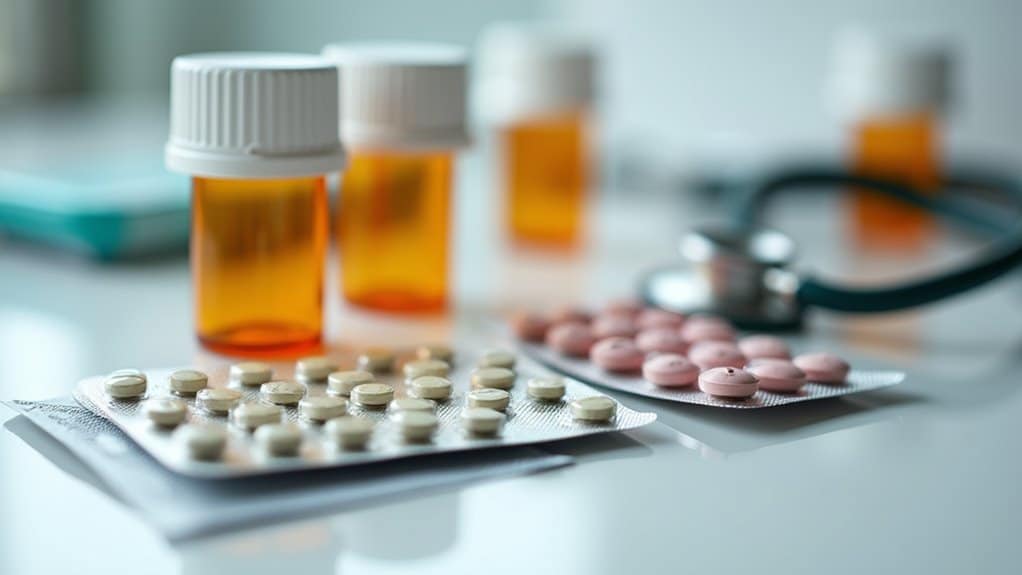
You’ll encounter five essential medicines during fentanyl detox: methadone and buprenorphine stabilize your opioid receptors to suppress withdrawal without euphoria, while naltrexone blocks these receptors after you’ve achieved abstinence to prevent relapse. Clonidine targets your autonomic nervous system to reduce physical symptoms like sweating and racing heart. Your medical team will also prescribe supportive medications, ondansetron, loperamide, NSAIDs, trazodone, and anxiolytics, to manage nausea, pain, and anxiety. Understanding how these medications work together creates an extensive treatment approach customized to your particular requirements. You’ll encounter five essential medicines during fentanyl detox as part of a medically supervised approach. Methadone and buprenorphine stabilize opioid receptors to suppress withdrawal symptoms without producing euphoria, while naltrexone is introduced after abstinence to block these receptors and reduce relapse risk. Clonidine targets the autonomic nervous system, helping control physical symptoms such as sweating, agitation, and a racing heart. Your medical team may also prescribe supportive medications, ondansetron, loperamide, NSAIDs, trazodone, and carefully monitored anxiolytics, to manage nausea, pain, sleep disruption, and anxiety. Together, these therapies form a structured detox protocol for opiates, designed to work synergistically and tailored to your specific medical history and treatment needs.
Methadone: Long-Acting Opioid Agonist for Withdrawal Stabilization
When fentanyl has taken hold of your life, methadone offers a medically proven pathway to stabilization. This long-acting opioid agonist binds to mu-opioid receptors, suppressing withdrawal symptoms for 24-36 hours without producing euphoria. Clinical indications include high risk of treatment drop-out or failed buprenorphine induction. Your initial dose typically starts at 30 mg with careful titration every 3-5 days under medical supervision. Methadone considerably reduces withdrawal intensity and cravings, improving treatment retention and lowering overdose risk. The medication’s steady binding action stabilizes brain chemistry, preventing the extreme highs and lows that characterize fentanyl use and enabling sustainable recovery. Methadone activates opioid receptors slowly, which reduces withdrawal and allows for stable therapeutic effects throughout the day. However, it requires cardiovascular monitoring through periodic ECGs due to QTc prolongation potential, particularly at higher doses. Individual metabolism varies markedly, necessitating customized dosing to balance efficacy against respiratory depression and cardiac arrhythmia risks. Symptomatic medications like loperamide for diarrhea may complement methadone treatment to address residual withdrawal discomfort. This supervised approach enables you to engage meaningfully in counseling while your body stabilizes.
Buprenorphine: Partial Agonist With Reduced Misuse Risk
Buprenorphine represents a significant advancement in fentanyl detoxification through its unique pharmacological profile as a partial mu-opioid receptor agonist. You’ll benefit from its ceiling effect, which limits respiratory depression and overdose risk compared to full agonists like methadone. Its high receptor affinity and slow receptor dissociation kinetics provide 24, 36 hours of opioid blockade, allowing once-daily dosing while displacing fentanyl from mu receptors. Buprenorphine represents a significant advancement in fentanyl detoxification through its unique pharmacological profile as a partial mu-opioid receptor agonist, helping explain how does fentanyl detox work in modern clinical settings. You benefit from its ceiling effect, which substantially limits respiratory depression and overdose risk compared with full agonists such as methadone. Its high receptor affinity and slow dissociation kinetics provide 24, 36 hours of effective opioid receptor blockade, allowing once-daily dosing while safely displacing fentanyl from mu receptors and stabilizing withdrawal symptoms.
| Safety Feature | Clinical Benefit |
|---|---|
| Ceiling effect on respiratory depression | Reduced overdose risk during induction |
| Slow receptor dissociation | Prolonged withdrawal suppression |
| Minimal euphoria production | Lower misuse potential |
You’ll experience milder withdrawal symptoms and fewer drug interactions. Sublingual administration optimizes bioavailability, with peak effects occurring within 3, 4 hours, making it particularly effective for managing fentanyl dependence. Buprenorphine’s unique mechanism includes inhibiting receptor internalization, which distinguishes it from other opioids and may contribute to its sustained therapeutic effects. The elimination of DATA waiver requirements through the Consolidated Appropriations Act of 2023 has significantly expanded access to buprenorphine treatment, allowing all healthcare providers with a standard controlled substance license to prescribe it without patient number restrictions. You’ll experience milder withdrawal symptoms and fewer drug interactions when treatment is properly supervised, which is why medical fentanyl detox is considered the safest and most effective approach. Sublingual administration optimizes buprenorphine bioavailability, allowing peak effects within 3, 4 hours and making it particularly effective for stabilizing fentanyl dependence. Buprenorphine’s unique mechanism, including inhibition of opioid receptor internalization, distinguishes it from other opioids and may contribute to its sustained therapeutic benefits. Additionally, the elimination of DATA waiver requirements through the Consolidated Appropriations Act of 2023 has significantly expanded access to this treatment, enabling any healthcare provider with a standard controlled substance license to prescribe buprenorphine without patient number limits.
Naltrexone: Opioid Antagonist for Post-Detox Relapse Prevention
Following successful detoxification from fentanyl, you’ll face the essential challenge of maintaining abstinence as your brain’s opioid receptors remain hypersensitive to relapse triggers. Naltrexone offers pivotal protection by competitively blocking mu, kappa, and delta opioid receptors, eliminating any rewarding effects if you use opioids post-detox. You’ll need to wait 7, 10 days after your last opioid use before starting naltrexone to avoid precipitated withdrawal. The monthly injectable formulation significantly enhances adherence compared to daily oral tablets, maintaining therapeutic blockade for 28 days. Healthcare providers may perform a naloxone challenge with a low 0.1 mg IV dose to confirm complete opioid clearance from your system before initiating full-dose naltrexone treatment. While FDA-approved for both opioid use disorder and alcohol use disorder treatment, naltrexone’s effectiveness depends heavily on your commitment and psychosocial support. Naltrexone’s therapeutic mechanism may extend beyond simple receptor blockade, as research indicates it also affects membrane lipid environments surrounding opioid receptors, potentially contributing to its clinical efficacy in treating substance use disorders. Remember: discontinuing naltrexone reduces your opioid tolerance, dramatically increasing overdose risk if you relapse.
Clonidine: Alpha-2 Agonist for Autonomic Symptom Relief
During fentanyl withdrawal, your sympathetic nervous system becomes hyperactive as your body adjusts to the absence of opioids, triggering distressing autonomic symptoms including profuse sweating, racing heart rate, heightened blood pressure, and severe anxiety. Clonidine addresses these symptoms by functioning as an alpha-2 adrenergic agonist, reducing norepinephrine release and decreasing sympathetic outflow from your brainstem. This mechanism produces therapeutic cardiovascular effects, lowering your blood pressure and heart rate while providing sedation and relief from withdrawal-related discomfort. The medication also decreases renal vascular resistance, improving kidney blood flow during treatment. Healthcare providers typically administer 0.1, 2.4 mg daily in divided doses, monitoring your crucial signs throughout treatment. The medication has a half-life of 6 to 20 hours, though this extends significantly in patients with compromised kidney function. Clonidine crosses the blood-brain barrier, enabling its central nervous system effects that are essential for managing withdrawal symptoms. You’ll need gradual tapering when discontinuing clonidine, as abrupt cessation causes rebound hypertension and sympathetic surge. While clonidine doesn’t eliminate all withdrawal symptoms, it serves as a valuable non-opioid adjunct that makes detoxification considerably more tolerable.
Supportive Medications for Managing Withdrawal Discomfort 

Medical detoxification from fentanyl requires an extensive pharmacological approach that extends beyond opioid agonist therapy alone. You’ll receive targeted medications addressing specific withdrawal symptoms: ondansetron or promethazine for nausea, loperamide for diarrhea, and NSAIDs or acetaminophen for muscle aches. Sleep disturbances often respond to trazodone or hydroxyzine. Anxiolytics for managing anxiety, particularly non-benzodiazepine options like hydroxyzine or buspirone, help reduce psychological distress during withdrawal. Your treatment team may prescribe antidepressants for coexisting mood disorders, as depression frequently accompanies opioid withdrawal. Gabapentin is sometimes used off-label for sleep disruption and general discomfort, though evidence remains limited. This thorough symptom management strategy, combined with frequent monitoring of vital signs and validated assessment tools like COWS, safeguards your safety and comfort throughout the detoxification process. Your healthcare provider will conduct blood chemistries and liver function tests to monitor your organ health and guide treatment decisions during detox. Patients with higher body mass index may experience prolonged fentanyl clearance from their system, requiring extended monitoring and adjusted treatment protocols. Medical professionals carefully create tapers based on your individual medical history to minimize fentanyl withdrawal symptoms and ensure the safest possible detoxification experience.
Recovery is not a luxury reserved for a lucky few. It is a right that belongs to you. Outpatient drug rehab nj connects you with New Jersey’s most compassionate and experienced treatment professionals, pairing you with trusted resources that are tailored to your unique needs and personal goals. Whether your path forward begins with medically supervised fentanyl detox, calls for the immersive care of residential treatment, thrives within flexible outpatient programs, or is strengthened by long-term recovery support, we are here to guide you with expertise and genuine compassion. The life you have been longing for is within reach. Call +1-844-866-4590 today and let us help you claim it.
Frequently Asked Questions
Can Benzodiazepines Be Safely Combined With Methadone or Buprenorphine During Detox?
Benzodiazepines can be combined with methadone or buprenorphine during detox, but you’ll need close medical supervision due to respiratory depression risks. Your provider shouldn’t withhold opioid treatment solely because you’re taking benzodiazepines; untreated opioid use disorder poses greater harm. You’ll benefit from gradual dosage reduction of benzodiazepines while exploring alternative therapy options like counseling and behavioral support. Frequent monitoring, split dosing schedules, and lowest effective doses help minimize risks while managing your comorbid conditions safely.
How Long Does Fentanyl Detox Typically Take Compared to Other Opioids?
Fentanyl detox typically takes 7, 10 days for acute symptoms, shorter than methadone’s 2, 4 weeks but comparably intense to heroin. You’ll experience peak discomfort around days 2, 3, making inpatient detox treatment often essential for safety and comfort. Your provider will customize a medication tapering schedule using buprenorphine or methadone to ease withdrawal’s severity. While fentanyl’s shorter half-life means quicker resolution, your individual usage patterns and general health greatly influence your detox timeline.
Are There Any Natural or Non-Pharmaceutical Alternatives to Support Fentanyl Withdrawal?
You’ll find some evidence supporting herbal supplements like passionflower, saffron, and black seed oil for easing withdrawal symptoms, though they’re less predictable than medical protocols. Nutritional therapy, including hydration, electrolyte balance, and vitamin supplementation, helps address physical depletion. Mind-body practices like yoga, meditation, and exercise can reduce anxiety and discomfort. However, these approaches shouldn’t replace medical supervision, especially with fentanyl’s severity. Always consult healthcare professionals before combining natural methods with detox treatment.
What Happens if Someone Relapses While Taking Naltrexone Medication?
If you relapse while taking naltrexone, you’ll likely experience blocked opioid effects, potentially triggering precipitated withdrawal with severe nausea, muscle aches, and anxiety. Relapse risks increase greatly if you attempt higher doses to override the blockade, especially as naltrexone wears off. This often leads to naltrexone discontinuation and treatment dropout. You’ll need immediate medical intervention, possibly inpatient stabilization, and bolstered psychosocial support. Combining naltrexone with extensive therapy improves your chances of maintaining recovery.
Does Insurance Typically Cover the Cost of Medications Used in Fentanyl Detox?
Yes, insurance typically covers fentanyl detox medications when you meet specific insurance coverage requirements, including enrollment in accredited treatment programs and proper diagnosis documentation. Most Medicare, Medicaid, and private plans cover essential medications like buprenorphine, methadone, and naltrexone. However, medication cost considerations vary, you’ll face different copays, deductibles, or prior authorization requirements depending on your plan. Medicare often eliminates copayments at enrolled facilities, while Medicaid coverage varies by state. Working directly with approved treatment programs minimizes your out-of-pocket expenses.