






Outpatient detox from synthetic drugs can work effectively if you meet specific medical criteria and have strong support systems in place. You’ll need a stable living environment, reliable transportation, and consistent engagement with treatment providers. Success rates improve considerably when you combine FDA-approved medications with evidence-based therapies and regular medical monitoring. While outpatient detox offers flexibility, you’ll want to understand all safety considerations and eligibility factors before making this important treatment decision. Outpatient detox from synthetic drugs can work effectively if you meet specific medical criteria and have strong support systems in place. You’ll need a stable living environment, reliable transportation, and consistent engagement with treatment providers, especially when evaluating what helps detox from fentanyl at a clinical, safety-focused level rather than through self-directed methods. Success rates improve considerably when FDA-approved medications are combined with evidence-based therapies and regular medical monitoring. While outpatient detox offers flexibility, it’s important to understand all safety considerations and eligibility factors before making this critical treatment decision.
Understanding Synthetic Drug Withdrawal Basics

The withdrawal process from synthetic drugs presents a complex cascade of physical and psychological symptoms that unfold in distinct phases. You’ll typically experience early withdrawal symptoms within 24-72 hours, characterized by fatigue and initial psychological distress. The detox timeline then progresses to an acute phase lasting up to two weeks, where you’ll face peak physical discomfort and intense cravings. Medical supervision during detoxification is crucial for ensuring safety and preventing life-threatening complications. While physical symptoms often resolve within a week, psychological effects can persist for months during the post-acute phase. The severity and duration of your withdrawal symptoms will vary based on the specific synthetic drug you’ve used. Stimulants may trigger extreme fatigue and mood swings, while synthetic cannabinoids can cause rapid-onset withdrawal with violent agitation. Understanding these patterns is essential for determining whether outpatient detox is appropriate for your situation. Some common withdrawal symptoms include nausea and muscle aches, which often require supportive care to manage effectively. If you encounter difficulty accessing withdrawal resources online, this may be due to security measures designed to protect sensitive medical information.
Key Factors for Outpatient Detox Success
While starting outpatient detox from synthetic drugs, several critical factors determine your likelihood of success. Your outpatient eligibility criteria heavily depend on your physical and mental health stability, substance use patterns, and available support systems. Treatment outcomes typically show varying degrees of improvement rather than simple success or failure.
You’ll need a stable, drug-free living environment and reliable transportation to maintain consistent treatment attendance. If you’ve experienced severe withdrawal symptoms or seizures previously, you may require inpatient care instead. For optimal security during recovery, programs often incorporate protective measures similar to those used by online platforms to prevent harmful activities. Your success rates improve considerably when you have strong social support networks and can engage with peer support groups. Intensive outpatient programs provide structured treatment while allowing you to maintain daily responsibilities.
Effective withdrawal symptom management requires your commitment to medication protocols and regular medical monitoring. If you’re dealing with multiple substances or have co-occurring disorders, you’ll need specialized care arrangements that address these complexities while maintaining your daily responsibilities. For those struggling with kratom withdrawal treatment, it’s critical to engage with healthcare professionals who understand the unique challenges this substance presents. Individualized support plans can significantly improve your chances of a successful recovery. Ensuring that these plans are adaptable to your ongoing needs will help you balance treatment with your everyday activities.
Medical Screening and Assessment Protocols
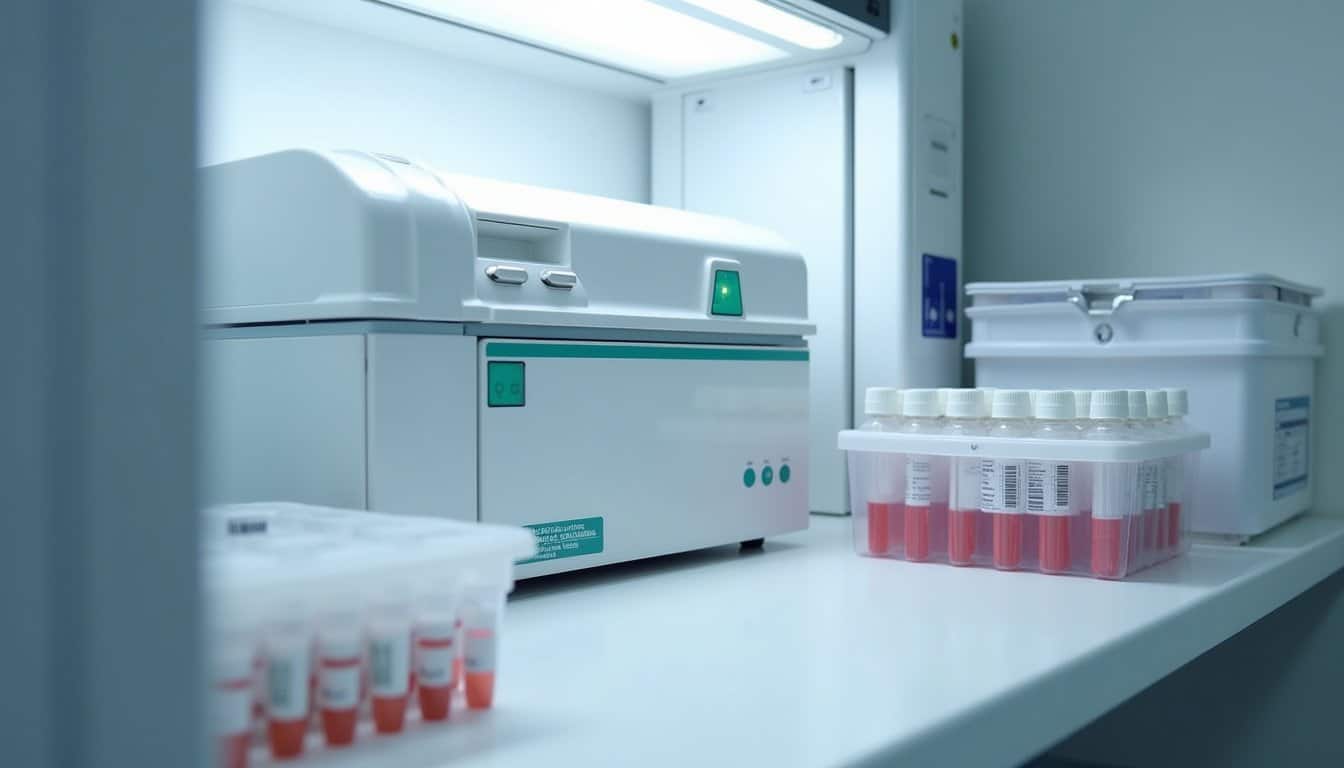
Medical screening for synthetic drug detox requires sophisticated testing protocols that extend beyond standard drug panels. You’ll need specialized LC-MS/MS testing that can identify up to 15 fentanyl derivatives and 30 synthetic cannabinoids, as conventional urine tests often fall short in detecting these compounds. Current testing must prioritize detection of emerging synthetic drugs like xylazine with fentanyl, as this combination is increasingly present in illicit supplies. With over 1700 designer drugs currently identified, testing protocols must continuously evolve to keep pace with new substances.
Assessment protocols must account for potential cross-reactivity issues, as common medications can trigger false positives or negatives. Confirmatory testing is necessary for all positive and unexpected negative screening results. You’ll require a minimum of 30 mL urine specimens, which must be processed at dedicated facilities to prevent cross-contamination. The medical screening process often combines both urine and oral fluid testing to enhance accuracy and prevent tampering. Pre-authorization is mandatory, and specimens must follow strict chain-of-custody procedures, especially in workplace or military settings. Regular panel updates guarantee detection of emerging synthetic drug trends.
Available Treatment Options and Medications
Successful outpatient treatment for synthetic drug detox involves a multi-modal approach combining FDA-approved medications with evidence-based therapies. You’ll find various medication types strategically paired with therapeutic interventions to manage both physical and psychological symptoms during withdrawal. Trained professionals carefully monitor for withdrawal symptoms that can persist for several weeks during the detoxification process. If access is restricted during online treatment sessions, patients may need to contact providers through security protected alternative platforms.
Your treatment combinations may include:
- FDA-approved medications like SSRIs and SNRIs, alongside gabapentin for neuropathic symptoms and alpha-agonists to regulate blood pressure
- Cognitive Behavioral Therapy and contingency management programs to address psychological dependence and prevent relapse
- Holistic methods integrated with medical protocols, including mindfulness techniques and family therapy support
Regular medical supervision guarantees proper medication adherence while you undergo treatment. This all-encompassing approach allows you to maintain daily responsibilities while receiving professional care, though you’ll need strong social support and commitment to the prescribed protocols for ideal outcomes. The duration of detoxification treatment can vary significantly, with most programs lasting from a few days to weeks depending on the substance type and severity of dependence.
Safety Considerations and Risk Management

Safety considerations in synthetic drug detox demand heightened vigilance due to the unpredictable nature of these substances. During outpatient treatment, you’ll need thorough risk assessment that accounts for variable drug potency, unknown chemical compositions, and potential cross-contamination with substances like fentanyl. Since synthetic drugs are produced in black market labs, quality control and safety standards are completely absent.
The development of tolerance levels makes it crucial to carefully monitor dosage adjustments throughout detox. Effective safety protocols must address both psychological and physical risks. You’re particularly vulnerable to seizures, cardiovascular complications, and sudden psychotic episodes that may require immediate medical intervention. Treatment should also address paranoid behavior and anxiety that commonly occur with synthetic drug use. The volatility of withdrawal symptoms means you’ll need close monitoring for organ stress and mental health destabilization. Your treatment team should maintain emergency preparedness measures, including readily available naloxone and established pathways to emergency care. Without proper medical oversight, you’re exposed to potentially life-threatening complications from these unpredictable substances.
Support Systems and Recovery Resources
Your success in outpatient synthetic drug detox depends heavily on building a robust network of family members, friends, and community supports who understand your recovery journey. Professional partnerships with counselors, therapists, and medication management specialists will provide essential clinical oversight and evidence-based interventions throughout your treatment process. Research shows that incorporating medication-assisted treatment (MAT) yields a 75% success rate for detox outcomes when combined with comprehensive support services. You’ll also benefit from incorporating digital recovery tools, including mobile apps and telehealth platforms, which offer 24/7 access to resources, symptom tracking, and virtual support groups that complement your in-person care.
Family and Community Networks
While steering synthetic drug detox through outpatient care, robust family and community support networks play an essential role in treatment success. Family dynamics notably impact medication adherence and counseling participation, while community engagement through peer support groups reduces isolation during the recovery journey.
Key elements of successful support networks include:
- Active family involvement in boundary-setting and treatment planning, which helps prevent relapse triggers and improves coordination with care providers
- Integration with community-based resources like 12-step programs and mutual aid organizations that offer addiction-focused fellowship
- Cultural alignment between treatment approaches and community values, ensuring better adherence and long-term recovery outcomes
You’ll find that when family members receive proper education about addiction recovery and actively participate in the process, your chances of successful outpatient detox increase considerably. Outpatient cocaine detox can be significantly more effective with the support of loved ones who understand the challenges involved. This understanding not only fosters a supportive environment but also encourages patients to engage fully in their recovery journey. Additionally, family involvement can help address underlying issues that may contribute to addiction, ultimately paving the way for long-term sobriety.
Professional Recovery Partners
Professional recovery partners form the backbone of successful synthetic drug detox in outpatient settings, providing essential medical oversight and therapeutic support throughout the treatment journey. You’ll work with multidisciplinary teams who implement evidence-based recovery strategies through coordinated care plans.
| Partner Type | Primary Role | Key Services |
|---|---|---|
| Medical Team | Withdrawal Management | Medication protocols, symptom monitoring |
| Therapists | Psychological Support | CBT, counseling, relapse prevention |
| Case Managers | Care Coordination | Resource connection, aftercare planning |
These professional partnerships guarantee you receive extensive support across all treatment phases. Your team will adapt treatment approaches based on specific synthetic substances used, managing both physical and psychological dependencies. Through shared documentation systems and regular communication, your providers maintain consistent care delivery while adjusting interventions to match your progress and changing needs.
Digital Support Tools
Digital support tools revolutionize outpatient synthetic drug detox by providing extensive, technology-driven resources accessible 24/7. Through integrated platforms, you’ll access personalized interventions that combine digital tracking, online therapy, and virtual support networks to strengthen your recovery journey.
- Digital tracking apps monitor your progress in real-time, offering AI-driven insights and alerts to help you identify triggers and maintain sobriety milestones
- Online therapy platforms connect you with licensed specialists through virtual counseling sessions and cognitive-behavioral therapy modules, while providing immediate support through AI chatbots
- Virtual support networks deliver peer-to-peer forums and live support groups, complemented by detox strategies that include structured digital boundaries and mindfulness exercises
Technology integration enhances your outpatient experience by delivering evidence-based tools that adapt to your specific recovery needs and circumstances.
Monitoring Progress and Adjusting Care
Successful outpatient detox from synthetic drugs requires thorough monitoring systems and flexible care adjustments. You’ll need regular medical check-ups to track crucial signs, withdrawal symptoms, and lab results. Your healthcare team will use specialized monitoring techniques, including withdrawal scales and urine tests, to assess your progress and adjust medications accordingly.
Care adjustments depend on your response to treatment. Your provider might modify dosing protocols, introduce anti-anxiety medications, or implement pain management strategies based on your symptoms. They’ll also evaluate your social stability and support systems through regular assessments. If you’re struggling, they may recommend shifting to inpatient care. Digital tools can help track your medication adherence and symptoms between visits, ensuring you’re meeting treatment milestones and maintaining progress toward recovery.
Recognizing Warning Signs and Emergency Response
When undergoing synthetic drug detox in an outpatient setting, recognizing critical warning signs can mean the difference between life and death. You’ll need to monitor both physical and behavioral indicators while following established emergency protocols.
- Physical warning signs include pinpoint pupils, respiratory depression, and blue-tinged skin, all requiring immediate medical attention
- Behavioral changes like extreme anxiety, paranoia, or sudden mood shifts suggest potential complications that warrant professional evaluation
- Life-threatening emergencies present with loss of consciousness, labored breathing, or rigid body posture; call emergency services immediately
If you’re experiencing psychotic episodes, cardiovascular issues, or seizures during synthetic drug detox, don’t wait to seek help. These symptoms often indicate serious complications that outpatient care facilities must address through their emergency response procedures.
Long-term Recovery Planning and Aftercare
You’ll need to integrate multiple support systems, including peer groups and family workshops, which show 40-60% higher success rates in maintaining long-term sobriety. Your personalized wellness plan must incorporate specific relapse prevention strategies, such as trigger identification and crisis response protocols, while adapting to your evolving recovery needs. Regular engagement with structured aftercare programs, including medication management and therapeutic check-ins, will help you maintain the stability necessary for sustained recovery, particularly during the critical first year when retention rates typically hover around 34%.
Support Group Integration Methods
Integrating support groups effectively into long-term recovery planning requires a thorough, multi-layered approach that combines clinical oversight with peer-based accountability systems. You’ll find that structured participation models, coupled with peer accountability strategies and recovery narrative sharing, create a robust foundation for sustained sobriety.
- Engage in demographic-specific group sessions that align with your clinical milestones, allowing for targeted support that addresses your unique challenges
- Participate in dual monitoring systems where your medical team and peer support network work together to track your progress
- Connect with peer navigators who’ll guide you through community resources while maintaining engagement through virtual platforms and telehealth options
These evidence-based integration methods guarantee you’re supported both clinically and socially throughout your recovery journey.
Relapse Prevention Skill Building
Building on the foundation of support group integration, effective relapse prevention requires a thorough set of practical skills and long-term aftercare strategies. You’ll need to master trigger identification and develop robust coping mechanisms through structured interventions like CBT and mindfulness training. Research shows that higher methadone doses (60-100 mg/day) combined with weekly therapy sessions greatly improve your chances of long-term recovery.
| Recovery Component | Success Rate | Key Elements |
|---|---|---|
| Medical Monitoring | 68% (55+ age) | Tailored dosing, 24/7 access |
| Counseling Program | 34% retention | CBT, peer support, family therapy |
| Aftercare Planning | 40-60% sobriety | Digital tools, community integration |
Your success depends on consistent engagement with these evidence-based strategies, including trigger mapping exercises, stress management techniques, and regular family involvement in your recovery journey.
Personalized Wellness Action Plans
While recovering from synthetic drug addiction requires thorough medical support, a Personalized Wellness Action Plan (WRAP) serves as your essential roadmap for sustainable recovery. Through personalized assessments, you’ll develop customized routines that address your unique triggers, challenges, and wellness needs during outpatient treatment.
- Build your individualized wellness toolbox by identifying specific coping strategies, daily maintenance activities, and crisis management protocols
- Establish coordination between your healthcare providers, support network, and therapy sessions to guarantee extensive care
- Track your progress through measurable outcomes, including symptom reduction, stability indicators, and quality-of-life improvements
Your WRAP integrates both medical interventions and behavioral strategies, adapting as your recovery evolves. This evidence-based approach, proven through 25+ years of implementation, helps you maintain long-term sobriety while addressing mental health, trauma, and life changes.
Recovery isn’t about perfect timing. It’s about one courageous decision. New Jersey drug rehab connects you with trusted, compassionate treatment professionals across New Jersey who are committed to helping you heal on your own terms. Whether your journey calls for medically supervised detox, residential treatment, flexible outpatient care, or long-term recovery support, we’ll match you with the right resources every step of the way. You don’t have to face this alone. Call +1-844-866-4590 today and let us help you become who you’re truly meant to be.
Frequently Asked Questions
How Long Does Synthetic Drug Detox Usually Take in Outpatient Care?
Your outpatient detox duration typically ranges from 3-5 days for stimulant-like synthetics, though it can extend to several weeks depending on the specific substance and your individual factors. The outpatient effectiveness varies based on the drug’s potency, your usage patterns, and overall health status. You’ll find that synthetic opioids often require longer detox periods, while stimulant-based synthetics may have shorter timelines. However, you’ll need consistent monitoring throughout the process.
What Percentage of Patients Successfully Complete Outpatient Synthetic Drug Detox?
Based on available data, you’ll find that less than 43% of patients complete full outpatient detox programs. Success rates vary greatly depending on patient demographics, you’re more likely to succeed if you’re over 55 years old, with this group showing up to 68% completion rates with medication-assisted treatment. Program flexibility impacts outcomes too, with high-performing facilities achieving over 50% completion rates, while lower-performing ones only reach 7-25% success rates.
Can Insurance Cover Synthetic Drug Detox Through Outpatient Programs?
Yes, your insurance can cover synthetic drug detox through outpatient programs. Under the ACA’s essential health benefits, most insurance policies must include substance abuse treatment coverage. You’ll need to verify your specific coverage limits, confirm medical necessity documentation, and use in-network providers. While most plans cover 90-100% of outpatient detox costs, you’ll likely still have copays or deductibles unless you have full coverage through Medicaid or extensive insurance.
Are There Specific Age Restrictions for Outpatient Synthetic Drug Detox?
While specific age guidelines for outpatient synthetic drug detox vary by facility, most programs focus on adult treatment. You’ll find that youth programs may have specialized protocols, but they’re less common in outpatient settings. Your age won’t necessarily disqualify you, as facilities typically evaluate each case individually. If you’re a minor, you’ll likely need parental involvement. Treatment centers prioritize maturity level and readiness for outpatient care over strict age restrictions.
How Often Do Outpatient Synthetic Detox Patients Need to Visit Facilities?
You’ll need to commit to regular facility visits during outpatient synthetic detox, with frequency schedules typically requiring at least one weekly appointment. Initially, you may need 3-5 visits in your first week for stabilization. Your specific patient commitments will depend on withdrawal severity and individual needs. If you’re experiencing severe symptoms, you might require daily visits, while stable patients may gradually shift to less frequent check-ins as treatment progresses.