






Your teen may need residential treatment when outpatient care can’t manage escalating crises, repeated emergency visits, persistent self-harm despite therapy, or dangerous behaviors that compromise household safety. Watch for treatment resistance where symptoms worsen despite consistent interventions, or when your teen requires 24/7 structured support that home-based services can’t provide. If you’re seeing multiple failed outpatient attempts, frequent crisis team deployments, or comorbid conditions like depression and substance use intensifying together, a professional residential evaluation becomes critical. Understanding these thresholds and assessment criteria will help you make an informed placement decision.
Recognizing Severe Mental Health and Behavioral Warning Signs
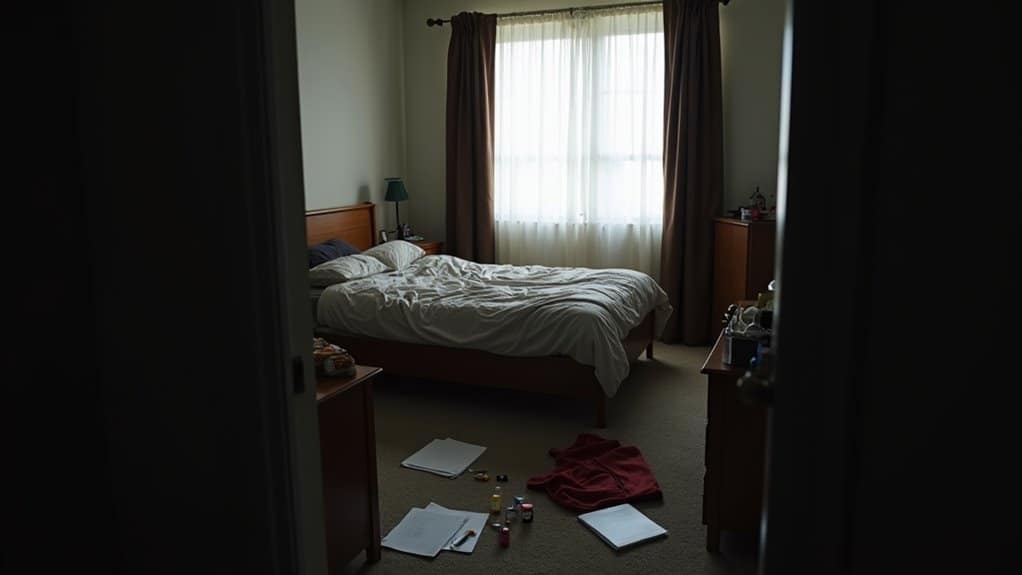
When adolescents exhibit persistent changes in mood, behavior, or functioning that disrupt daily life, parents must assess whether these warning signs indicate the need for intensive intervention. Critical indicators include sudden withdrawal from social connections, dramatic academic decline, and difficulty regulating emotions manifested through frequent outbursts or risk-taking behaviors. Evidence of self-harm, suicidal ideation, or substance abuse requires immediate thorough evaluation by mental health professionals. Further red flags encompass significant alterations in sleep and eating patterns, unexplained physical complaints, and adoption of high-risk peer groups. The importance of early intervention can’t be overstated, as delayed treatment often exacerbates symptoms and increases long-term complications. When multiple warning signs co-occur and home-based interventions prove insufficient, residential treatment may provide the structured therapeutic environment necessary for stabilization and recovery. Parents should also be aware that nearly 30% of high-school students report having tried alcohol, which often represents an attempt to cope with overwhelming emotional distress. Additionally, poor hygiene such as infrequent showering or teeth brushing may signal depression, anxiety, or other mood disorders that require professional attention. As stakeholders in adolescent mental health recognize the need to evolve residential treatment for teens, they are focusing on holistic approaches that address underlying issues rather than just symptoms. These innovative programs often incorporate family therapy, life skills training, and experiential learning to foster resilience and lasting change. By tailoring treatment plans to meet the unique needs of each teen, the aim is to create a supportive environment that promotes healthy development and reintegration into everyday life.
When Outpatient Care and Community Support Aren’t Enough
If your teen’s symptoms intensify or new crises emerge despite consistent outpatient therapy, medication management, or partial hospitalization, it signals that current interventions lack sufficient intensity or structure. Repeated emergency department visits, psychiatric hospitalizations, or mobile crisis team deployments within a short timeframe indicate outpatient care can’t adequately stabilize your child’s condition. This pattern of escalation, marked by self-harm episodes, suicidal ideation, aggressive outbursts, or functional deterioration, suggests the need for a higher level of care with continuous monitoring and extensive intervention. Residential treatment involves a 24/7 structured living environment designed to prepare teens to transition to lower levels of care once they achieve stabilization. Residential treatment should also address co-occurring conditions such as anxiety, depression, or ADHD alongside substance use, as integrated care for these mental health challenges is essential for comprehensive recovery. Teens with comorbid psychiatric conditions or a history of non-suicidal self-injury may require extended treatment stays to achieve meaningful symptom reduction and stabilization.
Escalating Symptoms Despite Treatment
Despite consistent participation in outpatient therapy and community-based interventions, some adolescents continue to experience persistent or worsening mental health symptoms that signal the inadequacy of their current treatment level. This inability to stabilize reflects treatment resistance rather than insufficient effort. Research indicates 26.5% of children with mental health crises return to emergency departments within six months, demonstrating failed symptom stabilization. Approximately one-third of youth repeatedly utilize mobile crisis services, further evidence of outpatient ineffectiveness. Severe presentations, including recent nonsuicidal self-injury, lifetime suicide attempts, and significant peer victimization, typically require higher-level interventions. When exhausting alternative options produces no sustainable improvement, escalating symptoms necessitate residential treatment. Residual symptoms at discharge predict high relapse risk, particularly when complex comorbidities compound diagnostic challenges. Outpatient care provides limited intensity and oversight, making it unsuitable for teens whose conditions remain unstable despite ongoing intervention. Systematic reviews have found mixed or inconclusive results for home and community-based interventions, underscoring their limitations for certain youth populations.
Frequent Crises Requiring Intervention
Adolescents who require emergency interventions repeatedly, through hospitalizations, police involvement, or crisis response teams, demonstrate that their current treatment level can’t contain their psychiatric instability. When coordinated community safety plans fail and crises escalate despite outpatient efforts, residential placement becomes clinically indicated. Youth presenting with self-injury, physical aggression in the direction of others, or disruptive acts that threaten community protection often exceed what home-based services can manage. Systemic failures involving family, school, or agency coordination frequently compound these episodes. Community breakdowns, including insufficient supervision, unstable environments, or exposure to trauma, exacerbate behavioral emergencies in adolescents with mood disorders, conduct problems, substance use, PTSD, or impulse control disorders. Residential treatment provides the structured environment and intensive clinical intervention necessary when outpatient care proves inadequate for managing recurrent crises. In these challenging circumstances, facilities like ignite teen treatment center specialize in addressing the complex needs of adolescents facing severe emotional and behavioral issues. By offering tailored therapeutic approaches and a supportive environment, they aim to stabilize young individuals during crucial periods of their recovery. It is essential for such centers to collaborate with families and communities to create comprehensive aftercare plans that further promote long-term success.
Assessing Safety Risks and Dangers to Your Teen or Others

Critical safety indicators include:
| Risk Category | Warning Signs |
|---|---|
| Self-Harm | Repeated attempts, inability to follow safety plans, escalating self-injury |
| Violence | Assault history, threatening behaviors, compromising others’ safety |
| Substance Use | Impairment levels causing danger, failed outpatient interventions, withdrawal risks |
If your home environment cannot provide adequate supervision, or if your teen’s behaviors endanger household members, residential placement becomes medically necessary. Multiple failed outpatient interventions alongside persistent dangerous behaviors indicate insufficient community-based support. Warning signs at home may include refusing to attend school, lying in bed all day, or running away, which raise concerns about your teen’s ability to function effectively. Residential treatment provides 24-hour care and supervision that ensures safety when teens exhibit high-risk behaviors requiring constant professional monitoring.
Understanding How Mental Health Affects Daily Functioning
When your teen’s mental health condition interferes with their ability to function in multiple life domains, it signals a need for higher-level intervention. Assess whether your adolescent demonstrates persistent academic skill deficits, including declining grades, incomplete assignments, or difficulty with concentration and memory. With 22.2% of adolescents experiencing severe impairment from mental disorders, functional deterioration is common.
Evaluate emotional regulation challenges that manifest as social withdrawal, reduced extracurricular participation, or conflict with peers and family members. Your teen may exhibit disrupted self-care routines, chronic fatigue, or diminished engagement in previously enjoyed activities. Consider whether your adolescent reports persistent feelings of sadness, as 40% of high school students experience these emotions that can significantly impair daily functioning. Research shows that teenagers with 4+ hours daily screen time are more than twice as likely to experience anxiety symptoms compared to those with less screen time, highlighting how digital habits can compound mental health challenges. Since up to 20% of adolescents have unmet mental health needs, declining daily functioning often worsens without intervention. The National Comorbidity Survey-Adolescent Supplement found that 49.5% of adolescents meet criteria for at least one mental disorder during their lifetime, emphasizing the widespread nature of these challenges. When symptoms drastically compromise academic performance, social relationships, and routine behaviors despite outpatient treatment, residential care becomes necessary.
The Role of Professional Evaluation in Placement Decisions

Professional evaluation for residential placement relies on multi-disciplinary team assessments that integrate perspectives from psychiatrists, psychologists, therapists, and medical staff to determine medical necessity and level of care. These teams utilize standardized diagnostic tools, including validated screening instruments and evidence-based assessment measures, to objectively document symptom severity, functional impairment, and treatment response. Your family’s input and information from community providers are systematically incorporated into the evaluation process to guarantee diagnostic accuracy and developmentally appropriate treatment planning.
Multi-Disciplinary Team Assessments
Determining whether your teen requires residential treatment demands a rigorous, evidence-based evaluation that extends beyond a single professional’s opinion. Multi-disciplinary team assessments integrate expertise from psychiatrists, therapists, nurses, educational specialists, and social workers to thoroughly evaluate medical, psychological, developmental, and family needs. This collaborative approach guarantees accurate diagnosis of co-occurring conditions and identifies critical intervention requirements.
The assessment process examines mental health status, academic functioning, physical health, and family dynamics through structured interdisciplinary meetings. Coordinated care planning synthesizes diverse professional perspectives to inform appropriate placement recommendations. At facilities accredited by organizations like the Joint Commission, these evaluations utilize evidence-based clinical models to ensure the highest standards of care. Family collaboration strengthens the evaluation by incorporating caregiver observations and participation in treatment decision-making.
These detailed assessments reduce placement disruptions by aligning interventions with your teen’s holistic profile, facilitate early detection of complex conditions requiring specialized care, and promote evidence-based outcomes through integrated, individualized treatment planning. Implementing effective detox strategies for teenagers can further enhance their overall well-being by supporting their physical and mental health. These approaches focus on removing toxins from their environments and bodies, which can lead to improved energy levels and better emotional stability. By incorporating these strategies into their daily routines, teens can develop healthier habits that promote sustained wellness throughout their formative years. Utilizing effective teen addiction detox strategies not only aids in physical recovery but also plays a vital role in mental health stabilization. By engaging in activities that foster connection and open communication, teens can build resilience against future challenges. This holistic approach ensures they have the support needed to thrive as they navigate their path to recovery.
Standardized Diagnostic Tools Used
Accurate placement decisions rely on validated, standardized diagnostic tools that measure your teen’s symptoms, functional impairments, and treatment needs across multiple domains. Clinicians select instruments demonstrating test-retest reliability exceeding 0.80 and strong predictive validity for relevant outcomes. The CANS evaluates level-of-care requirements while monitoring treatment progress. Columbia Depression Scale and CSSRS assess depression severity and suicide risk through youth and parent versions. CADBI screens for disruptive behavior disorders requiring diagnostic confirmation. These assessment instruments must be brief and straightforward to avoid adding unnecessary burden to clinicians while maintaining their effectiveness in guiding treatment decisions.
| Assessment Tool | Primary Purpose |
|---|---|
| CANS | Level-of-care determination and outcome monitoring |
| Columbia Suicide Severity Rating Scale | Suicide risk assessment (requires certification) |
| CADBI | Screening and diagnosis of disruptive behavior disorders |
Qualified professionals integrate multiple validated measures with clinical interviews to generate detailed placement recommendations for residential treatment consideration. The CANS assessment translates ratings into action levels that guide treatment intensity, from watchful waiting and prevention to immediate intensive interventions.
Integrating Family and Community Input
While standardized instruments provide measurable data points, placement decisions require input from those who witness your teen’s daily functioning in natural environments. Empowering family voice ensures clinical teams understand your home’s capacity to maintain safety and address identified barriers to community living. Multi-disciplinary reviews incorporate perspectives from school personnel, social services, tribal representatives, and juvenile court officials who observe your teen across settings. This collaborative assessment examines whether family and community supports can realistically sustain treatment gains post-discharge. Aligning community resources with therapeutic interventions prevents premature placement or extended stays when local alternatives exist. Documentation of these stakeholder inputs in clinical reviews creates accountability for placement justification. When family assessment reveals adequate support systems, the shift toward less restrictive settings accelerates, prioritizing your teen’s return to familiar community contexts.
What to Expect From Residential Treatment Programs
Residential treatment programs provide intensive, round-the-clock psychiatric care in structured environments designed specifically for adolescents experiencing severe mental health crises, substance use disorders, or behavioral dysregulation that can’t be safely managed through outpatient services. You’ll find multidisciplinary teams, psychiatrists, licensed therapists, nurses, and educators, delivering evidence-based therapeutic modalities including DBT, individual therapy, and family sessions. The program structure integrates academic instruction through accredited on-campus schools, maintaining educational progress during treatment. Recent evaluations of teen treatment program effectiveness in Maryland have highlighted significant improvements in adolescent mental health and overall well-being following intensive interventions. These programs not only address immediate crises but also lay the groundwork for long-term recovery and personal growth. Parents and guardians often report notable changes in behavior and academic performance as a result of the structured support provided to their children.
| Component | Delivery | Expected Outcome |
|---|---|---|
| Clinical care | 24/7 supervised, 6-12 teens per unit | Symptom stabilization |
| Therapy | Individual, group, family sessions weekly | Amplified coping skills |
| Duration | 30-90 days average | Sustained functional improvement |
| Family involvement | Weekly sessions, psychoeducation | Strengthened communication |
Average length of stay ranges from 30 to 90 days, with outcomes demonstrating improved psychosocial functioning extending 12-40 months post-discharge.
Making the Decision: Is Residential Care Right for Your Family
Deciding whether your teen requires residential treatment represents one of the most challenging determinations you’ll face as a parent, requiring careful analysis of clinical severity, safety risks, and treatment history. Begin by reviewing thorough assessments like CANS or MDYA-360 that document functional impairment and failed outpatient interventions. Consider whether immediate danger to self or others, severe substance use disorders, or eating disorders necessitate 24/7 supervision. Evaluate insurance authorization requirements, which typically demand evidence of serious risk and previous treatment failures. Assess the financial impact on family resources and weigh it against safety concerns. Examine home environment stressors and availability of community-based alternatives. The ultimate residential placement should address specific barriers preventing safe community treatment while establishing clear goals for stabilization and reintegration.
Watching your teen struggle and wondering if they need residential treatment can feel overwhelming and leave you questioning every choice you make. If you are unsure whether this step is right or necessary, you are not alone, and seeking guidance is a sign of strength, not failure. At outpatient detox NJ, we help connect families with trusted treatment centers and recovery resources so you can get the support and clarity you need without facing it all on your own. Call +1-844-866-4590 and take the first step toward helping your teen get the care they deserve.
Frequently Asked Questions
How Much Does Residential Treatment Cost and Will Insurance Cover It?
Residential treatment typically costs $10,000-$60,000 monthly, with financial considerations including facility location, amenities, and length of stay. Most insurance plans cover portions under MHPAEA and ACA requirements, though you’ll need pre-authorization and medical necessity documentation. Your out-of-pocket expenses depend on deductibles, copays, and coverage limits. Review your policy’s in-network benefits, obtain required referrals, and work with the facility’s admissions team to verify coverage. Payment plans, sliding scale fees, or scholarships may offset remaining costs.
Can Parents Visit Their Teen During Residential Treatment Programs?
Yes, you can visit your teen during residential treatment. Most programs incorporate regular family therapy sessions and establish specific visitation guidelines based on clinical assessment. Visiting frequency typically starts weekly, though it may be restricted initially to support therapeutic engagement. Programs often facilitate daily phone or video contact supervised by treatment staff. The schedule adapts to your teen’s progress and clinical needs, with some programs increasing visits as stabilization occurs and therapeutic goals advance.
How Long Does the Average Residential Treatment Program Last?
The average residential treatment program lasts 60, 90 days, though program duration varies based on your teen’s clinical needs and progress. Research indicates that program effectiveness improves with individualized stays, severe or co-occurring disorders often require longer intervention for meaningful stabilization. While some facilities offer 30-day options, evidence suggests extended treatment (90+ days) correlates with better outcomes in emotional regulation and skill generalization. Your insurance coverage and clinical assessments will determine your teen’s ideal length of stay.
What Happens After My Teen Completes Residential Treatment?
After your teen completes residential treatment, aftercare planning becomes essential for sustained progress. You’ll move to lower levels of care like IOP or PHP, maintaining therapeutic support and mental health monitoring. Family involvement continues through facilitated meetings and coordinated reintegration strategies. Your teen will apply learned coping skills to real-world settings while receiving regular follow-up care. Alumni programs, support groups, and case management services provide ongoing accountability. Research demonstrates improved long-term outcomes when structured aftercare and family engagement remain priorities.
Are There Different Types of Residential Treatment Facilities to Choose From?
Yes, you’ll find multiple residential treatment types differentiated by focus (mental health, substance use, dual diagnosis, eating disorders), treatment approach (evidence-based therapies like CBT/DBT, experiential programs), duration (short-term crisis stabilization versus long-term care), and demographics (age-specific, gender-specific, LGBTQ+-inclusive). Programs vary in their emphasis on family dynamics through family therapy integration and peer relationships via group modalities. You can select medical-model facilities with psychiatric staffing or therapeutic communities emphasizing peer support, depending on your teen’s clinical presentation and treatment needs.