






Different drugs produce distinct olfactory signatures you can learn to recognize. Marijuana emits a skunky, musky aroma from volatile sulfur compounds, while meth releases harsh ammonia and chemical odors during production. Crack cocaine produces a burnt plastic smell when smoked, and PCP gives off sharp, solvent-like notes similar to permanent markers. However, synthetic opioids like fentanyl remain completely odorless, making them impossible to detect without laboratory testing. Understanding each drug’s smell can help you identify potential drug use in your environment. Can you smell pills? In many instances, the scent of pills can be a telltale sign of substance misuse, as certain medications may emit distinctive fragrances linked to their chemical compositions. Identifying these smells could provide crucial information in recognizing the presence of illicit drug activity or abuse.
How to Identify Drugs by Their Smell
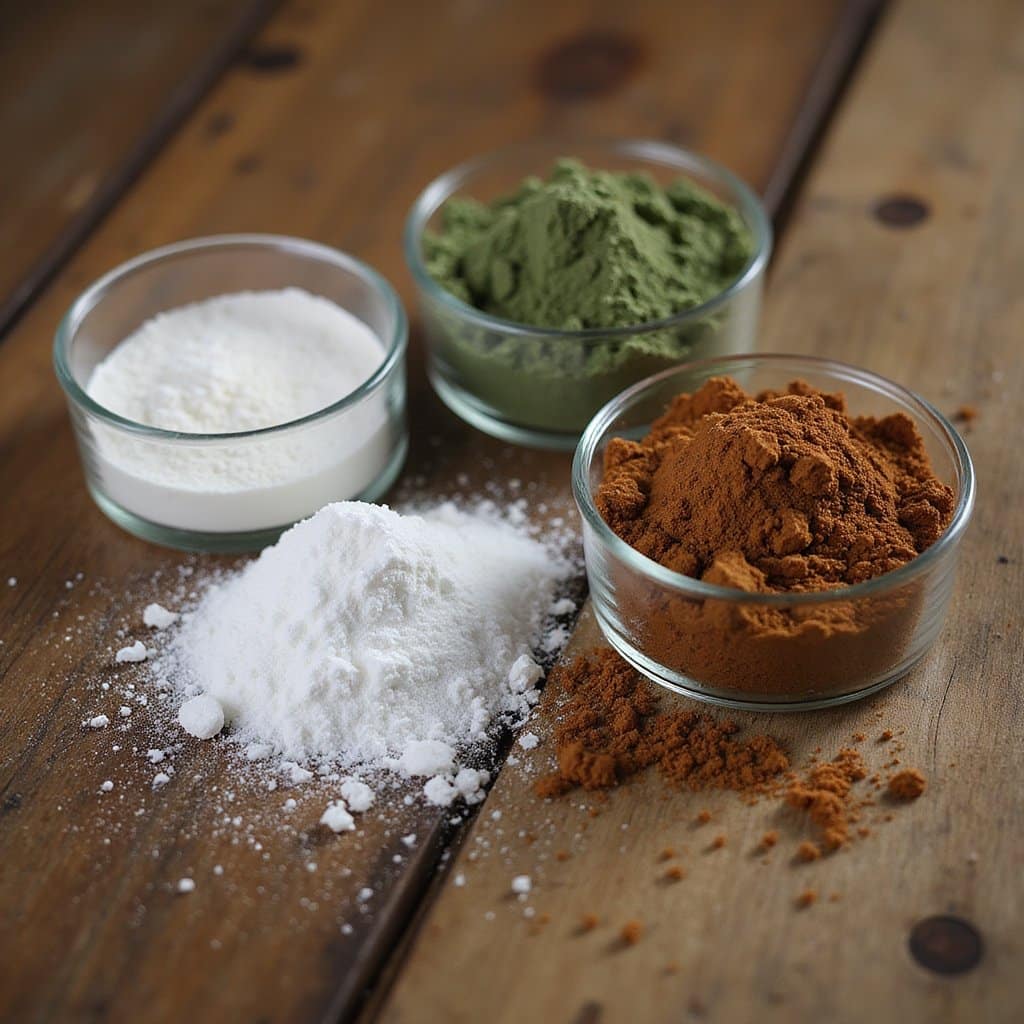
Understanding how to identify drugs by their smell requires recognizing that each substance produces distinct olfactory signatures based on its chemical composition and method of consumption. When identifying drugs by odor, you’ll find that smoked substances generate the most detectable scents, while powdered forms often remain challenging to detect. Smell is one of the earliest and most accessible clues when trying to identify potential drug use in your environment.
The smell of drugs varies considerably across substance categories. Methamphetamine produces a sharp meth smell resembling ammonia or cat urine. Crack cocaine emits burnt plastic odors when smoked, while powder cocaine presents mild chemical notes. Heroin releases vinegary scents in tar form, though purer versions lack detectable drug smells. Fentanyl remains virtually odorless, increasing its danger when mixed with other substances. Synthetic drugs and prescription medications typically produce no identifiable scents, making smell-based detection unreliable without corroborating evidence. Marijuana stands apart with its distinctive skunky or musky odor that lingers noticeably in the air and on clothing.
Marijuana’s Skunky Smell Before and After Use
When you encounter raw cannabis flower, you’ll detect a complex bouquet dominated by volatile sulfur compounds, particularly 3-methyl-2-butene-1-thiol (321MBT), which produces the characteristic skunky, musky aroma that intensifies during the flowering and curing stages. Once you smoke marijuana, the combustion process amplifies these odors considerably, creating a pungent smell that adheres to clothing, hair, and permeates enclosed spaces like vehicles and rooms for extended periods. You should note that different cannabis strains produce varying scent intensities based on their unique concentrations of VSCs and terpene profiles, ranging from intensely skunky cultivars to varieties with predominantly fruity or floral aromatics. Research confirms that strains high in VSCs consistently rank higher in perceived pungency when evaluated by trained sensory panels. Interestingly, prenylthiol, the most dominant sulfur compound identified, is the same molecule that gives skunked beer its notorious off-flavor.
Raw Cannabis Scent Profile
Raw cannabis produces its distinctive skunky aroma through a complex interplay of volatile organic compounds, with thiols serving as the primary drivers of that pungent, sulfuric smell many people instantly recognize. Unlike opioids derived from poppy plants with floral origins, cannabis emits a strong smell from organic sulfur compounds that varies by plant genetics and growing conditions. You’ll notice this odor differs markedly from other particular drugs.
The terpene profile creates layered common scents, myrcene contributes earthy, musky notes while limonene adds bright citrus elements. In your backyard or certain areas where cannabis grows, you’ll detect this lingering smell intensifying as trichomes develop during flowering. Aldehydes like hexanal and octanal enhance these aromas, producing green, scratchy, orange-like scents that lift the overall fragrance complexity. These aldehydes work by forming complexes with other aromatic compounds, creating new scent molecules that modify the primary terpene aromas. Researchers have identified over 200 terpenes in cannabis plants, explaining why different strains produce such varied and complex aromatic signatures.
Post-Smoking Odor Intensity
The skunky, musky aroma of marijuana doesn’t remain static, it intensifies dramatically after smoking compared to raw cannabis storage. You’ll notice the distinct smell becomes far more potent as combustion releases concentrated volatile compounds, creating a lingering presence on clothing, hair, and in enclosed spaces.
Research demonstrates that volatile organic compound emissions increase progressively over time, with 134 total compounds identified from marijuana headspace. This strange scent penetrates environments and can trigger excessive sweating in users, particularly when combined with hallucinogens, altering body odor noticeably. Unlike the smell of meth, which resembles permanent marker or requires unusual ventilation systems to disperse, marijuana’s post-smoking aroma creates a strong taste sensation and guarantees breath smells distinctively for extended periods. Detection becomes challenging when competing environmental odors mask these volatiles. Interestingly, odor activity analysis reveals that highly odorous compounds like nonanal, decanol, o-cymene, and benzaldehyde have more potent odor impact than previously reported marijuana volatiles, despite their lower concentrations. Studies show that oral THC administration causes subjectively noticeable deterioration of olfactory function, which may affect how users perceive these post-smoking odors themselves.
What Do Meth, Crack, and PCP Smell Like?
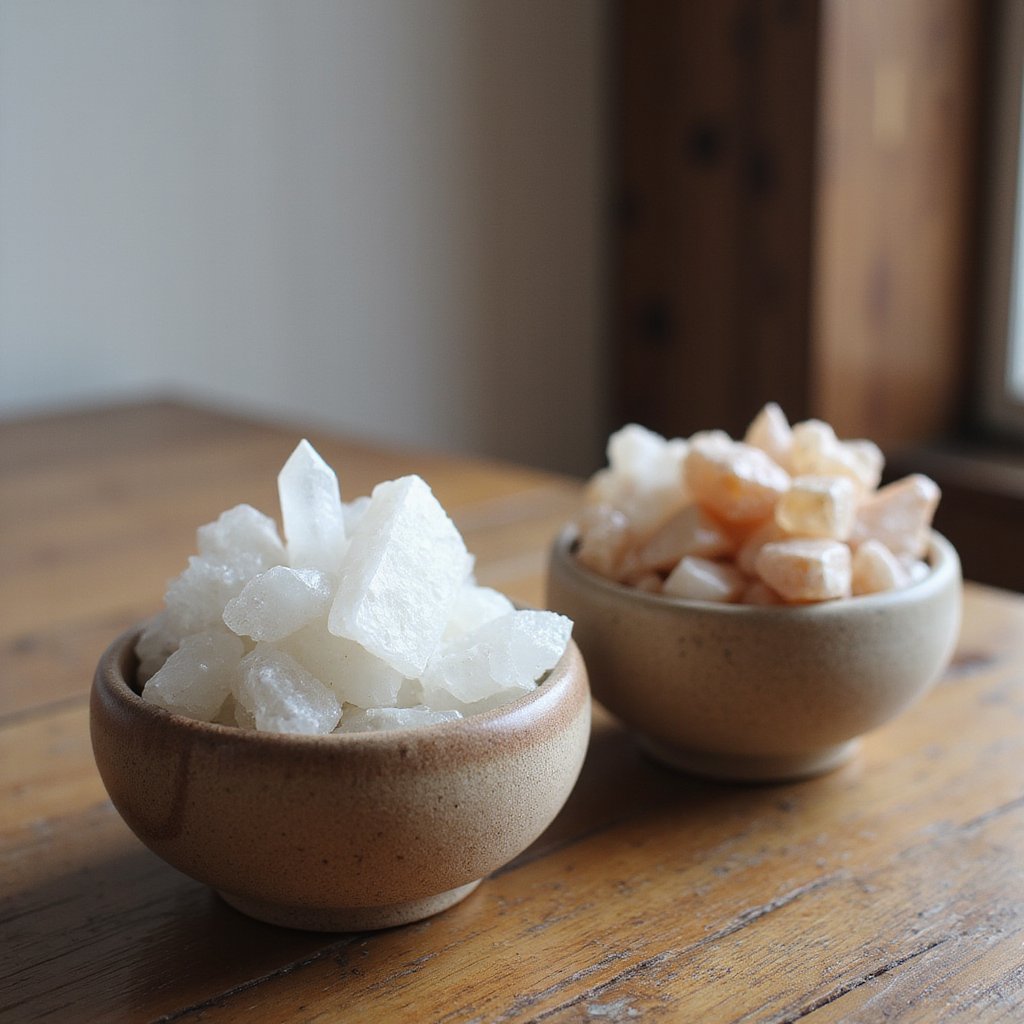
If you’re trying to identify methamphetamine, you’ll notice a sharp chemical scent resembling ammonia, burnt plastic when smoked, or a sulfurous odor similar to cat urine or rotten eggs. The smell is so potent that it lingers in clothing, furniture, and carpets for extended periods. Acetone contributes a sweet, fruity smell similar to nail polish remover that combines with the ammonia odor. Crack cocaine produces a distinctive burnt plastic smell during smoking, though its pure powder form carries a milder chemical or floral scent. PCP emits an odor comparable to permanent marker when smoked, making it identifiable through its sharp, solvent-like fumes.
Meth’s Chemical Odor Profile
Methamphetamine produces a distinctive chemical odor profile that varies noticeably between production and consumption phases. During manufacturing, you’ll detect strong ammonia from anhydrous ammonia used in synthesis, alongside cat urine smells from methylamine byproducts. Sulfur notes emerge from specific chemical reactions, while acetone and hydrochloric acid contribute sharp, acrid undertones. The rotten egg smell from hydrogen sulfide gas is particularly concerning as exposure can be life-threatening.
The precursor chemicals create layered olfactory signatures. Red phosphorus emits a rotten fish or burning plastic odor, iodine adds pungent notes, and lithium contributes metallic bitterness to the overall profile. These toxic chemicals emit strong, unpleasant smells that serve as warning signs of meth production in residential areas.
When you encounter smoked meth, expect burnt plastic and harsh chemical fumes with subtle sweet undertones. These odors persist on fabrics, walls, and surfaces far longer than typical household chemicals, often intensifying in enclosed spaces rather than dissipating naturally.
Crack and PCP Scents
While methamphetamine dominates discussions of drug-related odors due to its pungent manufacturing byproducts, crack cocaine and PCP produce equally distinctive scent signatures that you can learn to recognize.
When you encounter crack cocaine smoke, you’ll detect a sharp, acrid smell resembling burnt plastic or burning rubber. The chemical fumes emerge from combustion of cocaine base mixed with cutting agents like baking soda and ammonia. This pungent odor contains sulfurous and metallic notes that distinguish it from powder cocaine’s subtler, gasoline-like scent. Street cocaine mixed with additives like flour or laundry detergent can introduce additional odors such as burnt flour or bleach.
Key identification markers include:
- Residual scent clings to fabrics, furniture, and walls for hours
- Burnt chemical smell persists longer than marijuana or heroin odors
- PCP produces a distinctive permanent marker-like smell when smoked
These olfactory profiles enable early detection of substance use in residential environments. Users of crack cocaine often leave behind additional evidence, including glass pipes stained with dark, brownish-black residue from repeated heating and smoking sessions.
How Do Heroin and Cocaine Smell When Smoked?
When heroin is heated on tin foil or through a glass pipe, it releases a strong, sweet vinegar-like odor that distinguishes it from other smoked substances. You’ll notice black tar heroin produces a particularly pungent smell, often compared to cat urine, while purer forms emit minimal detectable scent. The burning process creates an acrid chemical profile resembling burnt rubber or sugar. The variability in heroin’s smell is largely attributed to its complex chemical composition and the presence of different adulterants in each batch.
Cocaine, specifically crack, generates a distinctly different olfactory signature when smoked. You’ll detect an intense burning plastic smell combined with synthetic chemical notes. This odor proves stronger and more persistent than heroin smoke, clinging to fabrics and surfaces. Both substances can produce medicinal or hospital-like smells, though heroin’s vinegar scent contrasts sharply with cocaine’s acrid, rubber-like profile. The allure of these substances often comes from their enticing initial effects, leading users to overlook the potential for sweetsmelling drugs and toxic effects. As individuals chase the fleeting euphoria, they may become increasingly desensitized to the risks associated with their use. This slippery slope often results in a tragic cycle of addiction, where the very substances that promise pleasure ultimately wreak havoc on both the mind and body.
Drugs You Can’t Detect by Smell Alone
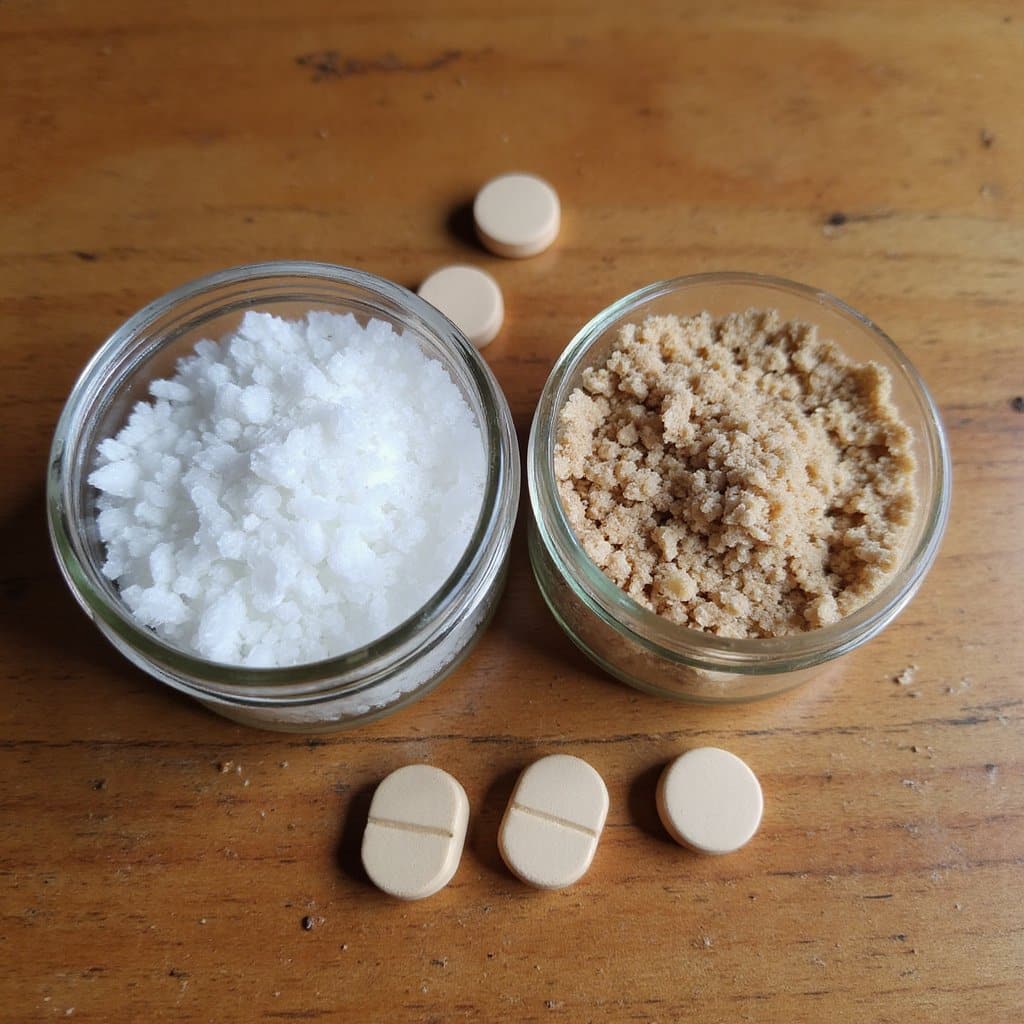
How do you identify dangerous substances when your senses can’t detect them? Fentanyl, the most lethal synthetic opioid, remains completely odorless, making sensory detection impossible. This invisibility creates severe accidental overdose risks.
Several drug categories evade olfactory identification:
- Synthetic opioids, Fentanyl produces no scent; any detected odor originates from adulterants like heroin or cocaine mixed into street supplies.
- Designer drugs, MDMA and LSD lack recognizable odors, particularly in pill or liquid form.
- Prescription pills, Pharmaceutical-grade medications contain no scent markers for detection purposes.
Chemical detection through fentanyl test strips represents your only reliable identification method. You can’t trust sensory evaluation when adulterants mask a mixture’s true composition. Without laboratory-grade testing, even experienced users remain vulnerable to fatal exposure from these undetectable substances.
Steps to Take When You Smell Drug Use
Detecting drug-related odors requires immediate, methodical action to protect yourself and others from potential harm.
First, assess your environment for safety. If you detect strong chemical odors suggesting meth production, evacuate and ventilate the area immediately. Document the specific smells, whether someone smokes, vapes, or uses other consumption methods, noting time and location.
Safety comes first, if you detect suspicious chemical odors, evacuate immediately and document everything before taking further action.
Next, observe physical appearance and behavior without direct confrontation. Look for signs consistent with smoking the substance or injecting, including burn marks, track marks, or residue near nostrils. Monitor for dilated pupils, sudden weight changes, or altered body odor from excessive sweating. Next, observe physical appearance and behavior without direct confrontation, keeping in mind that changes in weight or eating patterns may relate to factors like how phentermine affects appetite control rather than substance misuse alone. Look for signs consistent with smoking or injecting substances, including burn marks, track marks, or residue near nostrils, and monitor for dilated pupils, sudden weight changes, or altered body odor from excessive sweating.
Early detection of a substance use problem improves intervention outcomes. Contact SAMHSA’s National Helpline at 1-800-662-HELP for confidential referrals. Report suspected illegal activity to law enforcement, providing detailed descriptions of detected substances and observed indicators.
Your Journey to Recovery Starts Now
If you or someone you love is struggling with drug addiction, you do not have to face it alone. At New Jersey Outpatient Detox, we are here to guide you toward the right Drug Detox Programs that fit your needs and support your path to lasting recovery. Call (844) 866-4590 today and let us help you take back control of your life.
Frequently Asked Questions
Can Drug-Sniffing Dogs Detect Odorless Substances Like Fentanyl and LSD?
Yes, drug-sniffing dogs can detect fentanyl and LSD despite their minimal odors perceptible to humans. You’ll find that dogs detect volatile organic compounds (VOCs) in a substance’s headspace, not the drug itself. Their olfactory system is 40 times stronger than yours, allowing them to identify trace volatiles. Idaho State Police certified all nine K-9s for fentanyl detection, demonstrating proven effectiveness with proper training protocols.
How Long Do Drug Smells Typically Linger in a Car or Room?
Drug odors persist based on substance type, ventilation, and material absorption. You’ll find marijuana lingers 1-3 days in cars with fabric seats, while crack smoke dissipates within 20-60 minutes but embeds in fabrics and upholstery. Methamphetamine’s ammonia-like scent clings to walls, clothing, and hair for several days. Heroin smoke disperses within minutes. Closed spaces with poor airflow extend these timeframes considerably, and porous materials trap particles longer than non-porous surfaces.
Do Air Fresheners or Incense Effectively Mask the Smell of Drug Use?
Air fresheners and incense provide only temporary masking of drug odors, they don’t eliminate them. You’ll find these methods attach new scents to airborne particles or briefly overpower cannabis smoke, but the underlying smell resurfaces once the masking agent dissipates. Porous surfaces retain odor molecules for hours to days regardless of coverage attempts. For more effective results, you’ll need air purifiers with HEPA and activated carbon filters, proper ventilation, or airtight storage containers.
Can Secondhand Exposure to Drug Smoke Odors Cause Positive Drug Tests?
Secondhand exposure to drug smoke can cause positive drug tests, though it’s unlikely under normal conditions. You’d need extreme exposure, sealed, unventilated spaces with heavy, high-potency smoke, to trigger standard urine test cutoffs (50 ng/mL). Johns Hopkins research confirms positive results only in extreme sealed-chamber conditions. Detection remains possible up to 34 hours post-exposure in sensitive tests. You’ll minimize risk through proper ventilation and avoiding enclosed spaces where active smoking occurs.
Does the Potency or Quality of a Drug Affect How Strong It Smells?
Drug potency doesn’t reliably correlate with smell intensity. Research shows you can’t determine a substance’s strength through aroma alone, cannabis studies found THC content has no relationship to odor perception, with high-potency strains sometimes ranking low in smell tests. What drives odor impact are specific volatile compounds with low detection thresholds, not overall chemical concentration. Factors like drug quantity, age, and adulterants affect VOC emissions more considerably than purity levels.