






You can’t rely on smell alone to identify opioids since each one differs dramatically. Heroin typically carries a sharp, vinegar-like odor, especially black tar varieties, due to acetic acid used in production. Opium presents rich, floral, and resinous notes with amber undertones. Fentanyl, however, is completely odorless, making it impossible to detect without test strips. Understanding these distinctions in opioid smells can help you recognize potential dangers in your environment.
What Heroin Smells Like and Why
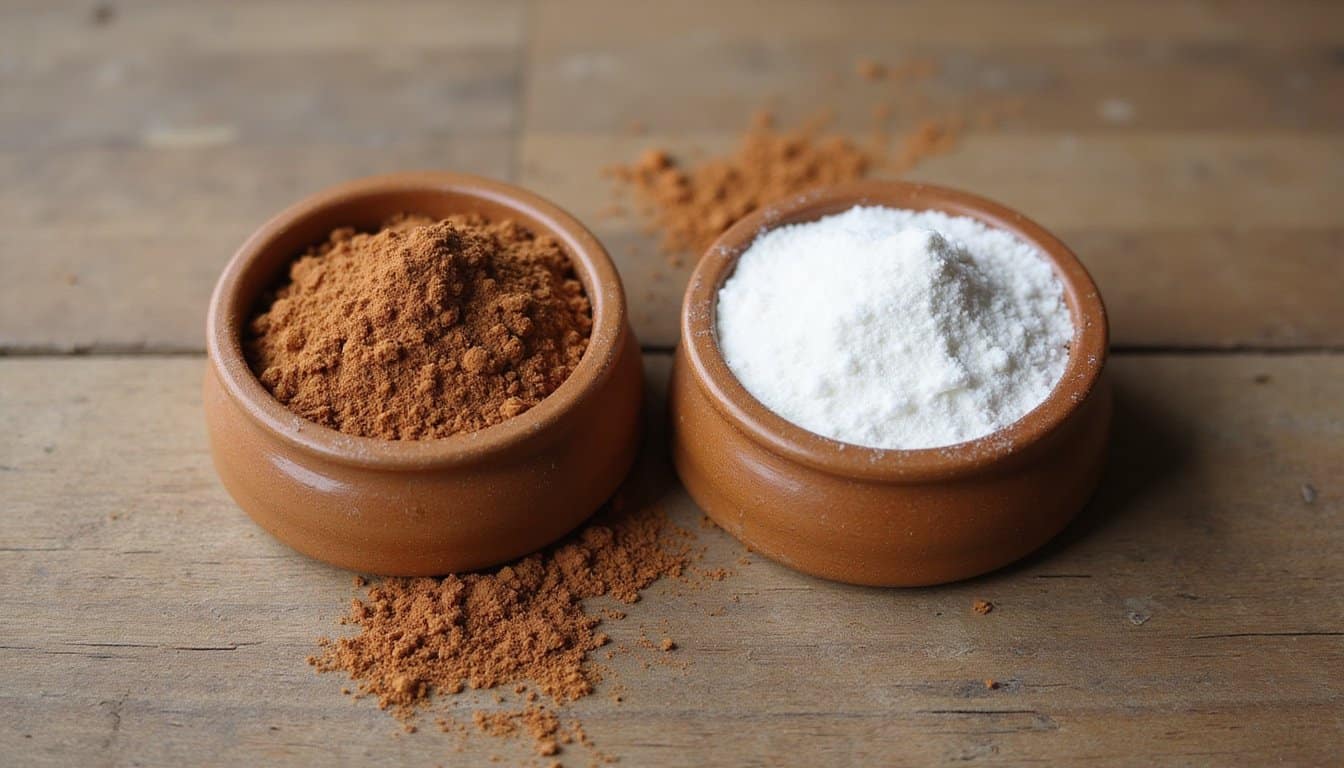
Heroin’s smell varies noticeably depending on its purity and form. If you’re wondering what does heroin smell like, the answer depends on several factors. Pure heroin is nearly odorless, though you may detect faint vinegar-like, sweet, or bitter medicinal notes from the synthesis process.
Black tar heroin smell is distinctly different. You’ll notice a strong, pungent vinegar odor from acetic acid used during production. Many describe it as similar to salt and vinegar chips or even cat urine. The sticky, dark substance carries sour or rubbery undertones due to impurities. This form is primarily found in western US and is typically injected by users.
These narcotics smell different based on purity levels, cutting agents, and refinement methods. Higher purity typically means milder scents, while impure forms produce stronger, more unpleasant chemical odors. The smell of powdered heroin can become stronger when heated for injection or smoking.
Why Fentanyl Has No Smell: and Why That’s Dangerous
Unlike heroin’s vinegar-like scent, fentanyl presents a far more insidious danger, it’s completely odorless. If you’re wondering does fentanyl have a smell, the answer is no, its molecular structure lacks the volatile organic compounds that create detectable odors. Fentanyl is a lipophilic compound, meaning it dissolves in fats rather than water, which results in low volatility and virtually no scent emission.
Fentanyl’s odorless nature makes it a silent threat, you cannot smell, taste, or see this deadly substance.
This odorless quality makes fentanyl exceptionally dangerous:
- You can’t detect it mixed into heroin, cocaine, or methamphetamine
- Any fentanyl smoke smell you notice comes from adulterants, not the drug itself
- It’s tasteless, eliminating another warning sign
- Synthetic opioids blend invisibly into other substances
- Only fentanyl test strips can confirm its presence
The CDC reports synthetic opioids caused over 70,000 U.S. deaths in 2022. Because you can’t rely on sensory cues, testing remains your only protection against unknowing exposure to this potent substance. The danger is compounded by the fact that counterfeit pills designed to look like legitimate prescription medications can contain lethal and wildly inconsistent fentanyl concentrations.
Why Opium’s Scent Remains Undocumented

The documented scent of raw opium remains surprisingly elusive in scientific and perfumery literature. When you search for what does opium smell like, you’ll find fragmented anecdotes rather than standardized research. One source recalls a nutty, resinous quality; another describes face powder with oriental mystery. No laboratory analysis exists defining raw opium’s opioid odor profile. This gap in documentation may partly stem from how odors and language compete for shared neural substrates, making olfactory experiences inherently difficult to articulate and record.
| Source Type | Description Available | Scientific Verification |
|---|---|---|
| Personal Accounts | Vague, inconsistent | None |
| Perfume Industry | Synthetic interpretations | Not applicable |
| Clinical Research | Absent | None |
Modern perfumery substitutes opoponax, benzoin, and myrrh to evoke opium’s mystique. You’re experiencing a cultural idea rather than an authentic scent. Some luxury fragrance houses incorporate opium, patchouli, vetiver, white musk and other luxurious notes to create interpretations that change over time with each spray. Regulatory restrictions and historical obscurity have erased direct documentation of this substance’s true aromatic signature.
How Heroin, Fentanyl, and Opium Smells Compare
When you’re trying to identify opioids by smell, understanding the distinct differences between heroin, fentanyl, and opium can be critical for safety. Heroin typically produces a sharp, vinegar-like odor, especially in its black tar form, while fentanyl remains dangerously odorless, making it nearly impossible to detect through scent alone. Research conducted in northeastern Massachusetts cities like Worcester, Lowell, and Lawrence has helped document the evolving characteristics of heroin types in affected communities. Opium, in contrast, carries a complex aromatic profile that remains largely undocumented in clinical literature, though users describe floral, spicy, and resinous notes.
Heroin’s Vinegar-Like Scent
Heroin’s distinctive vinegar-like scent originates from acetic acid, a byproduct of its chemical manufacturing process. When you encounter this smell, you’re detecting residual acetic anhydride left from synthesis. Black tar heroin produces the strongest vinegar odor due to its crude, unrefined processing methods. The majority of this type is produced in Mexico and distributed throughout the United States. Some users describe this acidic smell as similar to cat urine or cat litter.
Key factors affecting heroin’s scent include:
- Purity level: Pure, refined heroin remains virtually odorless, while impure forms emit stronger smells
- Form: Black tar varieties contain higher acetic acid concentrations than powder
- Heating: Smoking amplifies the vinegar scent through vaporization
- Cutting agents: Additives like baking soda can alter odor intensity
- Processing quality: Crude production retains more odor-causing impurities
You should note that high-purity white powder heroin undergoes extensive washing, which minimizes detectable scent and complicates identification.
Fentanyl’s Dangerous Odorlessness
Unlike heroin’s telltale vinegar scent, pure fentanyl exists as a completely odorless substance, a characteristic that makes it exceptionally dangerous. You can’t rely on your senses to detect its presence in powder, pills, or liquid forms.
| Detection Method | Reliability |
|---|---|
| Smell | Unreliable |
| Visual inspection | Unreliable |
| Fentanyl test strips | Reliable |
When dealers mix fentanyl with heroin, cocaine, or methamphetamine, it blends seamlessly without adding any scent. The dominant drug’s odor masks fentanyl’s presence entirely. Some users report faint sweet or burnt popcorn smells when smoking illicit forms, but these likely come from cutting agents like acetone, not the fentanyl itself. Some experts theorize that manufacturing processes may introduce a subtle vinegar-like smell, though this claim remains unproven and debated. When dealers mix fentanyl with heroin, cocaine, or methamphetamine, it blends seamlessly without adding any scent, which complicates assumptions like what does crack smell like on clothes since odors often come from other substances or residues rather than fentanyl itself. The dominant drug’s odor masks fentanyl’s presence entirely, and while some users report faint sweet or burnt popcorn smells when smoking illicit forms, these likely come from cutting agents like acetone, not the fentanyl. Some experts theorize that manufacturing processes may introduce a subtle vinegar-like smell, though this claim remains unproven and debated.
You simply can’t smell your way to safety. Testing strips remain your only reliable detection method for identifying fentanyl-laced substances. This odorless characteristic is particularly alarming because fentanyl is up to 100 times stronger than morphine, meaning even trace amounts that go undetected can prove fatal.
Opium’s Undocumented Aroma
The synthetic nature of fentanyl strips away any detectable scent, but opium, the natural precursor to heroin, tells a different aromatic story.
Raw opium presents as a sticky, dark-brown gum with a distinctly strong odor. You’ll find its aroma profile remarkably complex compared to its processed derivatives:
- Rich floral and spicy notes characterize the natural latex
- Amber undertones contribute depth to its scent signature
- Moisture content (6-30%) intensifies aromatic properties
- The gum form retains stronger odors than dried versions
- Natural complexity contrasts sharply with odorless synthetic opioids
Unlike heroin’s faint smell or fentanyl’s complete absence of scent, opium’s natural state carries unmistakable aromatic markers. This distinction matters if you’re trying to identify substances. However, street drugs rarely appear in pure form, making smell an unreliable identification method. The traditional method of obtaining this aromatic latex involves scoring immature seed pods and scraping off the dried yellowish residue. Interestingly, the perfume industry has captured opium’s essence in fragrances like YSL’s Black Opium, where coffee and vanilla create a tension between dark bitterness and sweetness that evokes the substance’s complex aromatic profile.
Where Opioid Smells Linger in Your Home
If you’re concerned about opioid odors in your home, you’ll want to check common hotspots like kitchens, bathrooms, and bedrooms where residue tends to concentrate on hard surfaces and in high-traffic areas. Fabrics and carpets absorb and trap particles more stubbornly than hard surfaces, often requiring HEPA vacuuming rather than simple wiping. Poor ventilation prolongs any lingering vapors, so opening windows and running fans can help clear the air more quickly. Because fentanyl analogs can look like legal prescription medications, you may not immediately recognize the source of unusual odors in spaces where pills or powders have been handled.
Common Household Hotspots
When opioids are used inside a home, residues don’t simply disappear, they settle onto surfaces throughout the space and can linger for extended periods. Understanding where contamination concentrates helps you identify areas requiring attention.
Key hotspots include:
- Hard surfaces like tables, countertops, walls, and floors where residues remain detectable through monitoring kits
- Soft surfaces such as carpeting, bedding, and clothing that absorb and trap contaminants
- HVAC systems including air return ducts, duct covers, and filters that harbor residues
- Window treatments like blinds that accumulate residues over time
- Painted drywall where fentanyl can agglomerate after exposure
You’ll want to pay particular attention to these areas if you’re concerned about contamination. Health-based screening values for fentanyl are set at 1.0 ng/100 cm², providing a benchmark for safe levels.
Fabric Absorption Issues
Soft furnishings throughout your home, including upholstered furniture, curtains, carpeting, and bedding, can absorb and retain opioid residues along with their associated odors far longer than hard surfaces. Porous textile fibers trap volatile compounds, allowing smells to linger even after the substances themselves are no longer visible.
You may notice persistent odors in areas where drug use has occurred, particularly in enclosed spaces with limited ventilation. Fabrics in bedrooms, living areas, and vehicles are especially susceptible to absorption. If you are wondering what does meth smell like in the air, it can often be described as a sweet, chemical scent that may be overpowering. This odor can linger long after the drug has been used, creating a challenging environment for anyone sensitive to strong smells.
If you’re concerned about residual odors in your home, professional cleaning services experienced in substance-related remediation can help. Regular laundering of removable fabrics and steam cleaning of upholstered items may reduce odor retention. Addressing these concerns promptly supports a safer, healthier living environment for everyone in your household.
Ventilation and Airflow
Because opioid-related odors tend to concentrate in areas with poor air circulation, you’ll often notice lingering smells in enclosed spaces like basements, closets, bathrooms without exhaust fans, and rooms with sealed windows.
Proper ventilation plays a critical role in dispersing these odors. When airflow remains stagnant, smoke particles and chemical residues accumulate on surfaces and in fabrics, intensifying the smell over time.
To improve air circulation and reduce odor concentration, consider these strategies:
- Open windows regularly to create cross-ventilation
- Install exhaust fans in bathrooms and enclosed rooms
- Use HEPA air purifiers to filter airborne particles
- Clean HVAC filters monthly to prevent recirculation
- Position fans strategically to direct airflow toward exits
If you detect persistent opioid-related odors in your home, this may indicate ongoing substance use requiring compassionate intervention.
Signs of Opioid Use You Can Smell on Someone
Although opioids themselves don’t always carry a strong scent, the body’s process of metabolizing these substances can produce noticeable odor changes that signal potential drug use.
You may detect a sweet, pungent smell or a burned-rope odor on someone’s skin, hair, or clothing. Heroin users often emit vinegar-like scents, while fentanyl use can create chemical or metallic odors on breath and clothes. Excessive sweating during opioid metabolism intensifies these smells.
Watch for attempts to mask odors with heavy perfumes or colognes. Physical signs often accompany these scents, including runny nose, bloodshot eyes, and rashes around the nose or mouth. Poor hygiene from neglected grooming amplifies drug-related body odors. If you notice persistent unusual smells alongside these indicators, it’s time to examine compassionate intervention.
Why You Should Never Sniff-Test for Fentanyl
Given fentanyl’s extreme potency, just 2-3 milligrams can cause death, attempting to identify it by smell puts you at serious risk of accidental overdose. Fentanyl produces no detectable odor or taste, making sniff-testing both ineffective and dangerous.
When you sniff powdered substances, you risk inhaling airborne fentanyl particles that trigger immediate central nervous system depression and respiratory failure. The DEA identifies inhalation as a primary absorption route causing profound health effects.
Symptoms of exposure include:
- Pinpoint pupils and reduced consciousness
- Slow or stopped breathing
- Cold, clammy skin with discolored lips
- Chest muscle rigidity and drowsiness
- Confusion and disorientation within minutes
Instead of risking exposure, use fentanyl test strips for safe detection. If you suspect exposure, call 911 immediately and administer naloxone if available.
What to Do If You Detect Opioid Odors
If you detect unusual chemical, vinegar-like, or smoky odors that suggest opioid presence, particularly in spaces where drug use may occur, your immediate priority is protecting yourself and others from potential exposure.
Unusual chemical or vinegar-like odors in suspected drug environments demand immediate action, prioritize safety and distance over investigation.
Don’t attempt to handle or investigate suspicious substances yourself. Fentanyl and similar synthetic opioids pose serious risks through minimal contact. Instead, ventilate the area by opening windows and evacuate if possible.
Contact local emergency services or poison control immediately. If someone shows signs of opioid overdose, slowed breathing, unresponsiveness, or bluish lips, call 911 and administer naloxone if available.
Professional detection requires specialized equipment like GC-MS analysis or trained detection canines. You can’t reliably identify specific opioids by smell alone. Automated alarm resolution technologies allow professionals to confirm opioid presence without physical handling, keeping everyone safer during investigation.
Your Journey to Recovery Starts Now
If you or someone you love is struggling with drug addiction, you do not have to face it alone. At New Jersey Outpatient Detox, we are here to guide you toward the right Drug Detox Programs that fit your needs and support your path to lasting recovery. Call (844) 866-4590 today and let us help you take back control of your life.
Frequently Asked Questions
Can Drug-Sniffing Dogs Detect Fentanyl if Humans Cannot Smell It?
Yes, drug-sniffing dogs can detect fentanyl even when you can’t smell it. Dogs possess 300 million olfactory receptors compared to your 6 million, making their sense of smell up to 100,000 times more sensitive than yours. They’re trained to identify fentanyl’s unique chemical signature and will alert by sitting, pawing, or barking. Dogs can even detect fentanyl through pill bottles and when it’s masked by strong odors like coffee grounds.
Do Opioid Users Experience Changes in Their Own Sense of Smell?
Yes, if you use opioids regularly, you’ll likely experience measurable changes in your sense of smell. Research shows heroin users score noticeably lower on odor threshold, discrimination, and identification tests compared to non-users. You may also find pleasant smells less enjoyable and unpleasant odors less bothersome. These changes stem from altered brain activation patterns and reduced functional connectivity in regions processing smell. Chronic analgesic use similarly impairs olfactory function.
Can Opioid Odors Trigger Cravings in People Recovering From Addiction?
Yes, opioid odors can trigger cravings if you’re recovering from addiction. Your brain associates sensory cues, including smells linked to past use, with the drug experience, activating craving responses without your full awareness. Environmental triggers like the vinegar-like scent of heroin or smoky odors from burning substances can provoke intense urges. You’ll want to identify these personal triggers and develop coping strategies with your treatment team to protect your recovery. Yes, opioid odors can trigger cravings if you’re recovering from addiction, as your brain associates sensory cues, including smells linked to past use, with the drug experience, activating craving responses without your full awareness; this differs significantly from how phentermine works for weight loss, which primarily affects appetite through central nervous system stimulation. Environmental triggers like the vinegar-like scent of heroin or smoky odors from burning substances can provoke intense urges, so you’ll want to identify these personal triggers and develop coping strategies with your treatment team to protect your recovery.
Does Cooking or Heating Opioids Create Different Smells Than Raw Forms?
Yes, heating opioids typically creates different smells than their raw forms. When you heat heroin, its vinegar-like odor intensifies and takes on burnt sugar or rubber notes. Raw fentanyl remains largely odorless whether heated or not. If you crush or burn opioid pills, they’ll release chalky, metallic, or chemical scents absent in whole pills. These odor changes occur because heat releases volatile compounds and unmasks synthetic additives.
Are There Any Devices That Can Detect Opioid Odors in the Air?
Yes, specialized devices can detect opioid-related compounds in the air. You’ll find technologies like VaporID systems and mass spectrometers that identify narcotics at ultra-low concentrations. Electronic noses (E-noses) using nanosensor arrays can also monitor air continuously for chemical signatures. However, since opioids vary widely in their volatile compounds, especially when mixed with additives, these devices work best in controlled settings rather than casual home detection scenarios.