





When crack cocaine is smoked, you’ll notice a harsh, acrid odor that’s commonly compared to burning plastic, singed rubber, or melted chemicals. This distinctive smell results from pyrolysis, which releases methylecgonidine and other volatile compounds during combustion. The odor has a bitter, pungent quality that clings to clothing, hair, and soft furnishings for hours after exposure. Understanding how this crack cocaine smell differs from other substances can help you identify what you’re encountering. Similarly, if you’re trying to identify what do opioids smell like, you may notice a range of aromas depending on the specific substance. Some users describe it as slightly sweet or medicinal, while others might detect a more chemical scent. Recognizing these distinctive odors can be crucial for differentiating between substances in various environments.
What Crack Cocaine Smoke Actually Smells Like
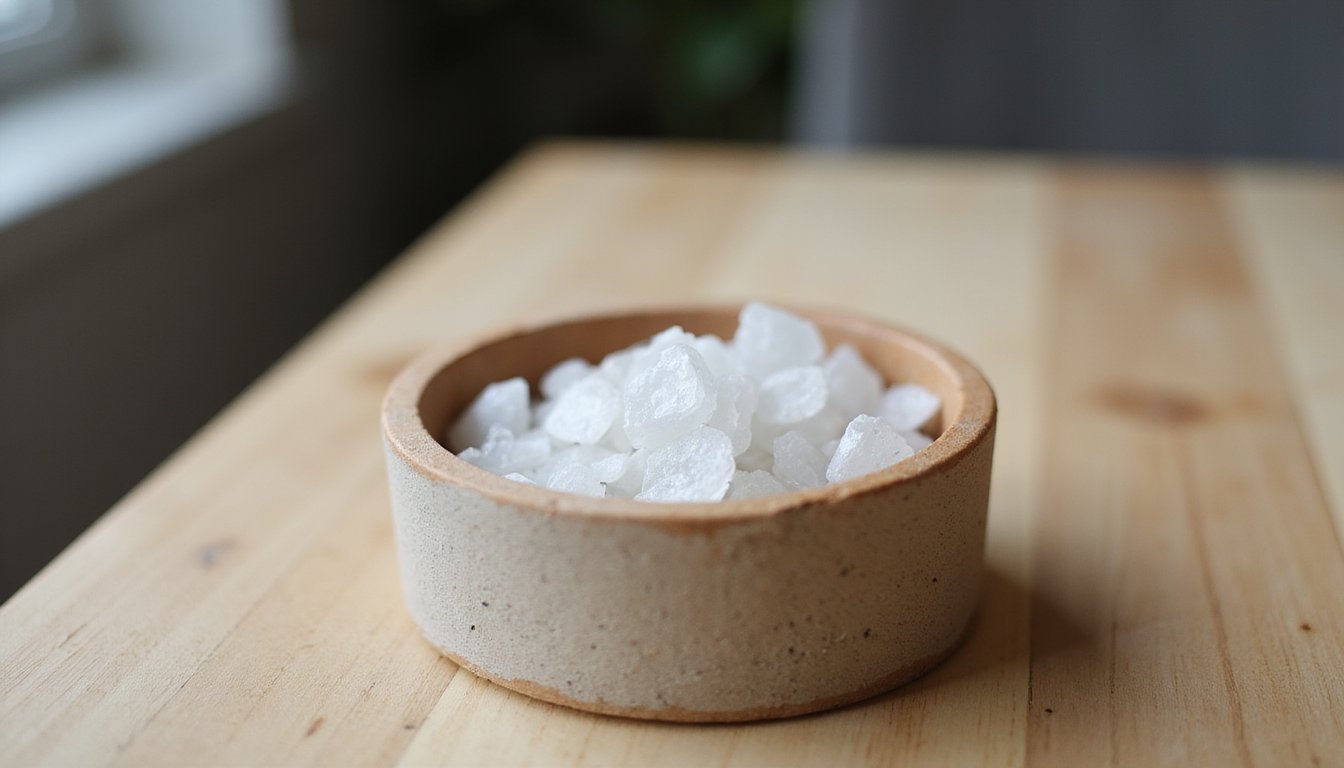
When crack cocaine is smoked, it produces a harsh, acrid odor that’s commonly compared to burning plastic or rubber. You’ll notice the crack smoke smell differs markedly from tobacco or marijuana, it carries a bitter, chemical quality that’s immediately distinct. The cocaine base releases this pungent aroma through the combustion process, creating an overwhelming scent that fills enclosed spaces quickly. In addition to the harsh profiles of crack smoke, there are also specific smells associated with cocaine that can linger long after the substance is consumed. These odors often penetrate fabrics and surfaces, making it difficult to mask their presence.
The burning plastic drug smell results from heating the substance at high temperatures. You may also detect notes resembling burnt hair or electrical wiring. Some observers report a sour, metallic edge caused by impurities or processing chemicals. Unlike powder cocaine, which has minimal odor, the heated form produces a strong, unmistakable scent that’s difficult to mask or ventilate away. This burnt odor clings to clothes, furniture, and walls, lingering long after use. Users typically inhale the thick, dense white vapor and hold it in their lungs for several seconds to maximize absorption of the drug.
Burnt Rubber, Chemicals, and Other Crack Smoke Variations
Because crack cocaine undergoes pyrolysis during smoking, it releases methylecgonidine (MEG) and other volatile compounds that create distinct odor variations. MEG concentration can reach 5% at 30mg heating doses, intensifying the acrid chemical smell you might detect. This compound’s higher vapor pressure coats smoke particles, contributing to the characteristic scent profile. Research shows that heating cocaine base in model crack pipes produced particles of about 1 micron in diameter, which carry these odor-producing compounds into the air.
You’ll notice burnt rubber odors dominate most descriptions, particularly during direct pipe combustion. The chemicals released during freebasing create sharp, volatile scents that linger in enclosed spaces. Purer crack rocks tend to produce more pronounced plastic-like odors when melted, while lower-grade substances may generate harsher chemical notes. Street-sold crack adulterated with toxic substances like levamisole may produce additional unusual odor variations.
Your smoking method affects odor intensity considerably. Vaporization at lower temperatures (around 90°C) reduces harshness while retaining rubber notes, whereas direct combustion generates stronger toxic by-product smells.
How Crack Smoke Differs From Meth, Heroin, and Weed
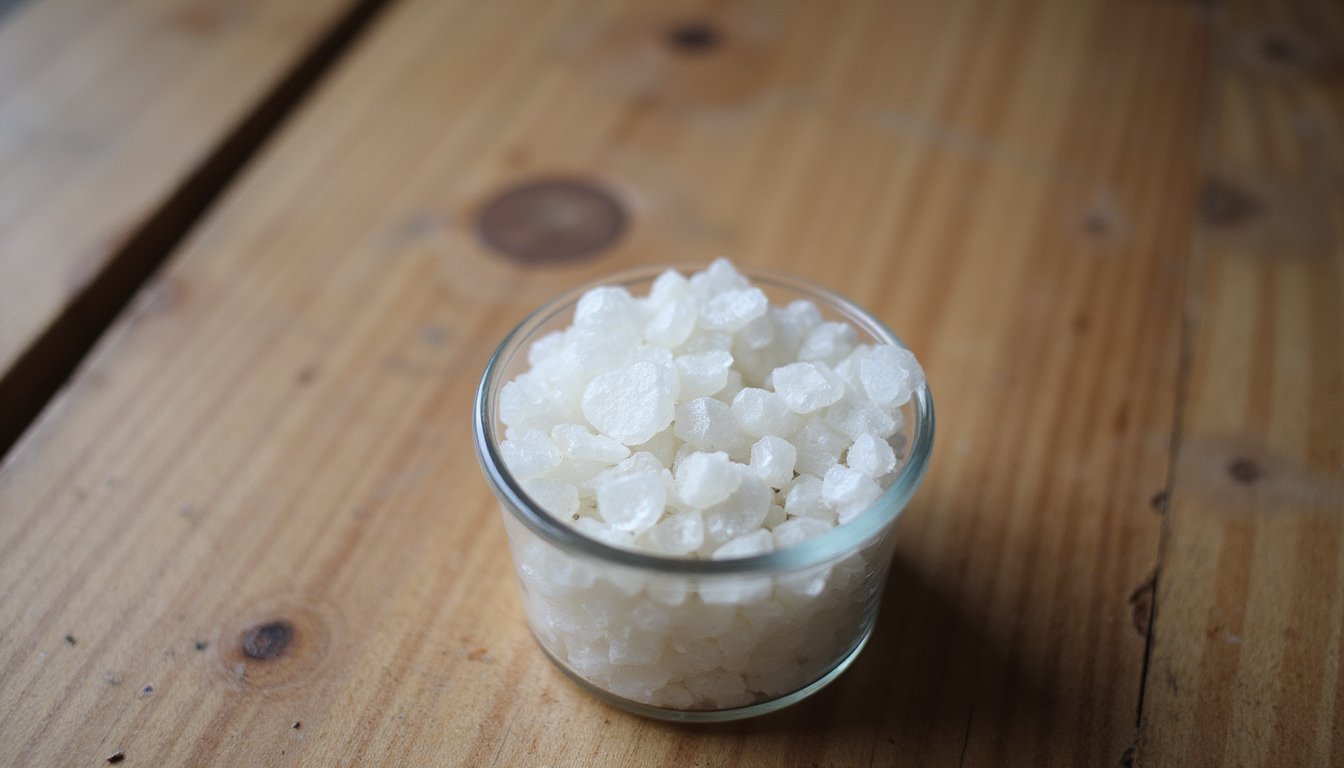
When you’re trying to identify crack smoke, understanding how it compares to other substances helps clarify its distinct chemical signature. Meth produces a sweeter, acetone-like odor with ammonia undertones, while heroin releases a sour, vinegar-based scent when heated. Weed stands apart with its unmistakable earthy, skunky aroma that lacks crack’s harsh, synthetic burn. PCP emits an odor similar to a permanent marker, which differs significantly from crack’s chemical smell. Crack’s smell combines elements of these pungent odors into a single, lingering profile that makes it particularly noticeable and distinguishable from other drugs.
Meth’s Acetone-Like Odor
Methamphetamine smoke produces a distinctly different odor profile than crack cocaine, primarily characterized by an acetone-like or chemical solvent smell. When you encounter meth smoke, you’ll notice sharp notes resembling nail polish remover, which stems from chemicals used during production. This scent differs markedly from crack’s burnt plastic or rubber characteristics.
Meth smoke often carries ammonia-based undertones, sometimes described as similar to cat urine or paint thinner. These volatile compounds create a pungent odor that lingers on surfaces and fabrics. Unburnt methamphetamine crystals emit a faint solvent-like aroma even before heating. how phentermine affects hunger levels is a topic of interest for many seeking weight loss solutions. Users often report a significant decrease in appetite, which can lead to reduced food intake and potential weight loss. However, the effects can vary from person to person, and it’s essential to monitor any side effects during use.
The key distinction lies in the chemical profile: meth emphasizes acetone sharpness while crack produces acrid, rubbery notes. Meth’s smoke appears clearer and sharper, lacking the thick white vapor and synthetic burnt smell associated with crack combustion. Crack cocaine’s distinctive smell when burned results from residues from solvents and chemicals left behind during the manufacturing and extraction process.
Heroin’s Vinegar Scent
Heroin produces a distinct vinegar-like scent that separates it from crack cocaine’s burnt plastic or rubber smell. When you encounter heroin smoke, you’ll notice a burnt vinegar or sweet acidic aroma caused by acetic acid residues from manufacturing. Black tar heroin emits the strongest vinegar odor due to crude processing methods. Unlike the burnt plastic drug smell associated with crack cocaine smell, heroin’s profile remains dominated by acidic, sour notes. Some people describe the smell as similar to cat urine or cat litter.
- Impure heroin releases pungent vinegar scents from synthesis chemicals
- Smoked heroin combines burnt vinegar with secondary metallic or sweet notes
- Crack cocaine emphasizes rubber and plastic rather than acidic profiles
- Stimulant drugs like crack lack heroin’s characteristic acetic acid base
- Black tar heroin’s appearance ranges from sticky tar-like to hard coal-like, which contributes to its distinct burning odor
These odor differences help distinguish between substances when identification becomes necessary.
Weed’s Skunky Aroma
Unlike crack cocaine’s acrid, burnt plastic odor, marijuana produces a distinctive skunky aroma that’s instantly recognizable and fundamentally organic in nature. When you’re trying to determine what does crack smell like versus cannabis, the difference is striking. Weed’s scent comes from terpenes like myrcene and limonene, creating earthy, herbal notes with diesel-like undertones.
The smoking crack smell carries a sharp chemical bite that clings to fabrics persistently, while marijuana smoke fades faster and retains sweet, piney qualities. Crack smoke also has an oily quality that distinguishes it from both marijuana and methamphetamine smoke. Does crack have a smell when unheated? Barely, it’s nearly odorless until combustion releases those harsh plastic fumes. Cannabis, however, emits its characteristic skunk even when fresh. Visually, crack produces thick white vapor while weed smoke appears thinner with green-tinged haze, providing additional identification markers.
How Long the Smell Lingers on Clothes, Walls, and Skin
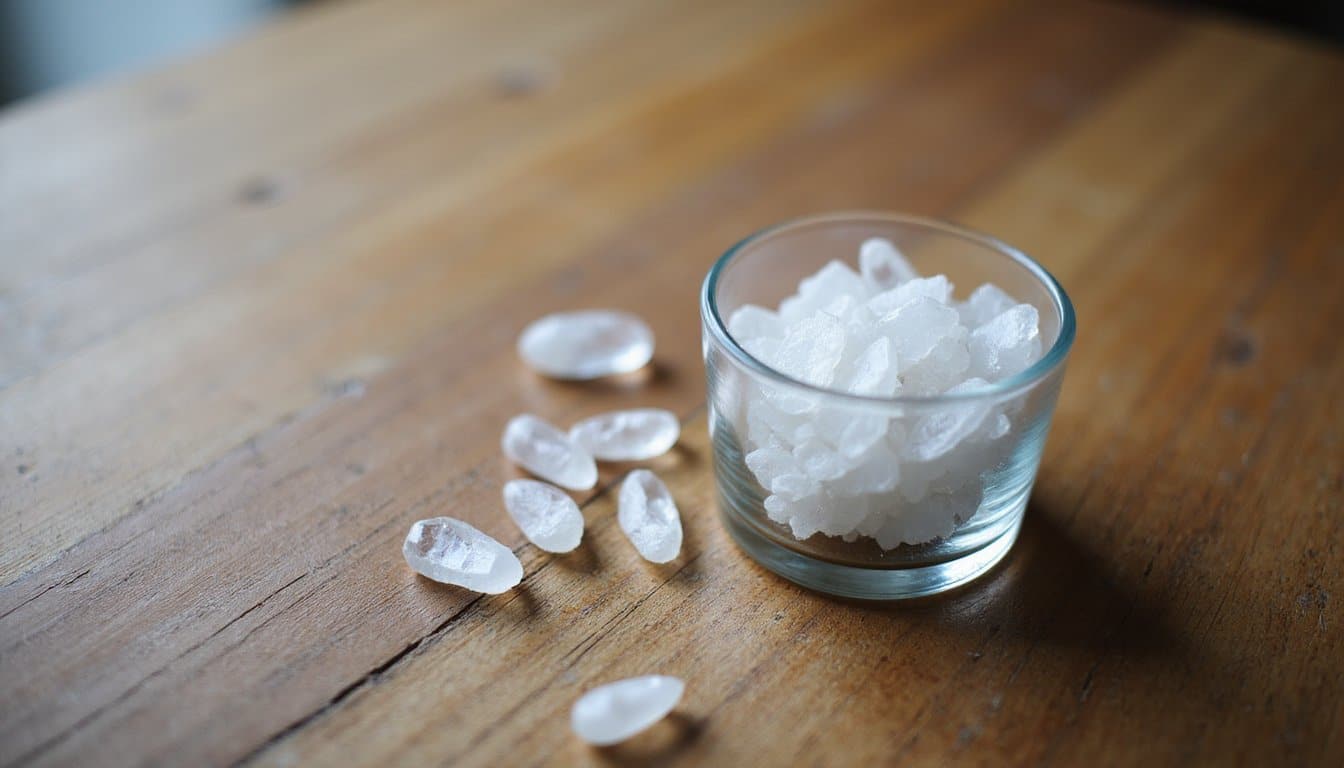
Because crack cocaine smoke contains volatile chemical compounds, the distinctive acrid odor doesn’t disappear immediately after use, it clings to clothes, walls, skin, and hair for extended periods. The smell embeds itself in fabric fibers and porous surfaces, requiring thorough washing or extended airing to remove. Your hair and skin absorb these chemical particles, carrying the scent until you bathe.
The distinctive smell of crack smoke clings to fabric, hair, and porous surfaces long after the smoke clears.
In enclosed spaces with poor ventilation, the odor persists considerably longer. Repeated use creates accumulated residue on walls and ceilings, intensifying the smell over time. The final boil during production may release volatile compounds like benzene and formaldehyde, which contribute to the lingering chemical odor. The sharp, chemical-like odor is typically faint and quickly dissipates in open air, making detection challenging outside of confined spaces.
- Clothing retains the acrid chemical smell for hours after exposure
- Hair absorbs and carries the distinctive odor on your body
- Soft furnishings trap chemical particles more effectively than hard surfaces
- Confined spaces show prolonged odor retention compared to ventilated areas
Why Crack Only Smells When It’s Heated or Smoked
Crack cocaine gives off virtually no detectable odor when it sits at room temperature in its solid form. You won’t notice a smell until heat activates the volatile compounds within the substance. The freebase chemical structure allows vaporization at lower temperatures, which triggers the release of aromatic molecules.
| State | Odor Presence |
|---|---|
| Unheated solid | None or minimal |
| Heated/smoked | Strong, distinct |
| Pure form | Sharper concentration |
| Cut product | Variable, masked |
When you apply heat, combustion produces byproducts like acetaldehyde, benzene, and formaldehyde. These compounds create the characteristic burnt plastic and chemical smell. Manufacturing residues from baking soda, ammonia, or solvents also volatilize during smoking, contributing acrid undertones. This heat-dependent odor release explains why detection remains difficult without active use. The smoke creates a thick, pungent vapor that tends to linger in enclosed spaces long after use has stopped.
Pipes, Foil, and Other Signs That Confirm Crack Use
Certain paraphernalia items serve as reliable indicators of crack cocaine use when odor alone proves inconclusive. You’ll want to recognize the most common devices associated with crack smoking, which differ considerably from powdered cocaine paraphernalia.
Key indicators include:
- Glass pipes with rounded bowls, often stained black from residue buildup
- Tin foil sheets with burn marks and dark residue from heating
- Copper wool scrubbers or Brillo pads used as pipe filters
- Burns on fingers or lips from direct contact with heated glass
When you find multiple items together, lighters, foil, stained filters, and small plastic bags, the evidence becomes more conclusive. Homemade pipes constructed from soda cans or hollowed household items also signal crack use. Car antennas, tire air gauges, and eye drop containers are also commonly repurposed as improvised smoking devices. These physical signs, combined with the characteristic burnt plastic odor, provide reliable confirmation. Individuals may also carry eye drops and mouthwash to conceal signs of use, such as dilated pupils and bad breath caused by crack cocaine.
What to Do If You Smell Crack Smoke at Home
If you detect the distinctive smell of crack smoke in your home, your first step should be to ventilate the area by opening windows and doors to reduce your exposure to harmful airborne particles. You’ll also want to address immediate safety concerns by securing vulnerable household members and avoiding direct confrontation with anyone who may be using. Once you’ve stabilized the situation, you can connect with professional resources, including addiction treatment centers and local health departments, for guidance on next steps.
Ventilate Your Living Space
When you detect the distinctive burnt plastic or chemical odor associated with crack smoke in your home, taking immediate action to ventilate the space helps protect indoor air quality and prevents residues from settling into surfaces.
- Open multiple windows and doors simultaneously to create cross-breezes that disperse acrid odors quickly
- Position box fans in windows facing outward to expel smoke-laden air from the interior
- Activate exhaust fans in bathrooms and kitchens to pull contaminated air outside
- Run ceiling fans on high speed to increase air circulation throughout affected rooms
Combining multiple ventilation methods produces the most effective results. Fresh air exchange reduces particulate concentration and minimizes the time odor-causing compounds remain in contact with fabrics, walls, and furnishings. Act promptly, delayed ventilation allows smoke residues to adhere more permanently to household surfaces.
Address Safety Concerns First
Detecting the characteristic burnt plastic or chemical odor of crack smoke in your home requires you to prioritize safety before addressing air quality concerns. The sharp, lingering scent from combustion can indicate active use nearby, warranting immediate assessment of your environment.
| Priority Level | Action | Rationale |
|---|---|---|
| Immediate | Guarantee personal safety | Remove yourself from potential confrontation |
| Secondary | Ventilate the space | Reduce secondhand smoke exposure |
| Tertiary | Document observations | Support informed decisions about next steps |
You should avoid making accusations based solely on smell, as burnt plastic, rubber, or hair odors can originate from multiple household sources. Consider whether alternative explanations exist before drawing conclusions. If you share housing with others, approach any conversations with care and without assumptions.
Seek Professional Help Resources
Reaching out for professional support becomes essential once you’ve confirmed crack cocaine use in your home environment. You don’t have to navigate this situation alone, and specialized resources exist to guide you through next steps.
- SAMHSA National Helpline offers free, confidential, 24/7 treatment referrals and information in English and Spanish
- Medical detoxification services provide supervised withdrawal support since no FDA-approved medications exist for crack addiction
- Cognitive-behavioral therapy helps individuals develop substance-free coping skills and address addiction’s psychological roots
- Residential treatment programs lasting 30 to 90 days offer 24-hour supervision for severe addictions
Treatment locator tools can identify nearby facilities matching specific needs. Evidence-based programs customize recovery plans addressing individual addiction severity and any co-occurring mental health conditions, improving long-term outcomes.
How to Talk to Someone You Suspect Is Using Crack
If you suspect someone close to you is using crack cocaine, approaching the situation requires careful preparation and emotional readiness. Before initiating dialogue, gather observations of physical signs like dilated pupils, burned lips, or unexplained weight loss. Choose a private, calm setting to minimize defensiveness.
Start with “I” statements expressing concern rather than accusations. Say something like, “I’ve noticed changes that worry me.” Listen actively without interrupting, and validate their emotions even if you encounter denial, a common response in early addiction stages.
Expect resistance due to psychological dependence. Present factual observations calmly and avoid arguments. Instead, redirect toward shared goals like health improvement. Offer concrete support by suggesting professional assessment or accompanying them to a helpline call. Set boundaries to protect your own well-being throughout this process.
Treatment Resources for Crack Cocaine Addiction
When someone you care about acknowledges they’re ready for help with crack cocaine addiction, connecting them with appropriate treatment resources becomes the critical next step. Professional treatment typically begins with medically supervised detoxification, which safely manages withdrawal symptoms like depression and anxiety in a controlled environment.
Professional treatment starts with medically supervised detox to safely manage withdrawal symptoms in a controlled environment.
Following detox, evidence-based behavioral therapies address the psychological aspects of addiction:
- Cognitive-behavioral therapy (CBT) helps identify negative thought patterns and develop substance-free coping skills
- Contingency management provides tangible rewards for achieving treatment milestones
- Inpatient rehabilitation offers 24-hour care for 30-90 days in severe cases
- Outpatient programs allow continued treatment while maintaining work and family responsibilities
You can contact SAMHSA’s National Helpline for free, confidential 24/7 referrals and treatment information.
Your Journey to Recovery Starts Now
If you or someone you love is struggling with drug addiction, you do not have to face it alone. At New Jersey Outpatient Detox, we are here to guide you toward the right Drug Detox Programs that fit your needs and support your path to lasting recovery. Call (844) 866-4590 today and let us help you take back control of your life.
Frequently Asked Questions
Can Secondhand Crack Smoke Cause You to Fail a Drug Test?
You’re very unlikely to fail a drug test from secondhand crack smoke exposure. Standard drug screenings use cutoff levels specifically calibrated to detect active use, not incidental environmental contact. Studies show passive exposure produces minimal metabolite levels, typically far below testing thresholds. Even in poorly ventilated spaces, the trace amounts you’d absorb rarely exceed detection limits. If you’re concerned about a borderline result, you can request confirmatory GC-MS testing to rule out false positives.
Does Crack Smoke Smell Different Depending on What It’s Cut With?
Yes, crack smoke can smell different depending on its cutting agents. When dealers add baking soda, you’ll notice more of a burnt plastic odor. Additives like benzocaine or lidocaine create harsher, more chemical scents. If ammonia was used in processing, you’ll detect that distinct ammonia smell. Flour additives produce burnt flour notes, while laundry detergent contributes bitter or medicinal odors. These variations make smell-based identification unreliable.
Can Pets Detect Crack Cocaine Odors Before Humans Notice Them?
Yes, your pets can detect crack cocaine odors long before you’ll notice them. Dogs possess approximately 220 million olfactory receptors compared to your 5 million, with a nose surface area 34 times larger than yours. Trained detection dogs identify cocaine vapors even when masked by strong scents like coffee. Research shows dogs maintain 70% detectability of cocaine residue on surfaces for over 26 days, well beyond human detection capabilities.
Is the Smell of Crack Smoke Harmful to Breathe In?
Yes, breathing in crack smoke is harmful to your health. Secondhand exposure introduces toxins that can irritate your respiratory system and damage lung tissue. You may experience coughing, wheezing, and chest discomfort. The smoke contains combustion byproducts, including ammonia and other chemicals, that inflame your airways and impair oxygen exchange. If you’re regularly exposed to crack smoke in enclosed spaces, you’re at increased risk for respiratory complications and should seek medical evaluation.
Can Air Purifiers or Candles Effectively Mask Crack Smoke Odor?
Air purifiers with activated carbon filters can help reduce crack smoke odor, but they won’t fully eliminate it from porous materials. Candles and scented products only mask the smell temporarily, odors typically return within 15-30 minutes. For thorough removal, you’ll need to combine methods: deep cleaning surfaces, replacing air filters, and potentially using ozone treatments. No single product completely neutralizes embedded smoke odors without proper cleaning first.