






When you smell meth’s cat-urine sharpness or cocaine’s powdery sweetness, you’re detecting molecular byproducts from synthesis, ammonia compounds in meth, impurities and cutting agents in cocaine. These chemically distinct drugs trigger overlapping olfactory responses because your receptors recognize carbonyl group positioning and molecular shape rather than chemical class. Ketones and esters sharing similar carbonyl placement activate 74% of the same olfactory neurons, creating perceptual crossover that explains why drug odors overlap and what this means for detection.
Why Meth Smells Like Cat Pee and Cocaine Smells Sweet
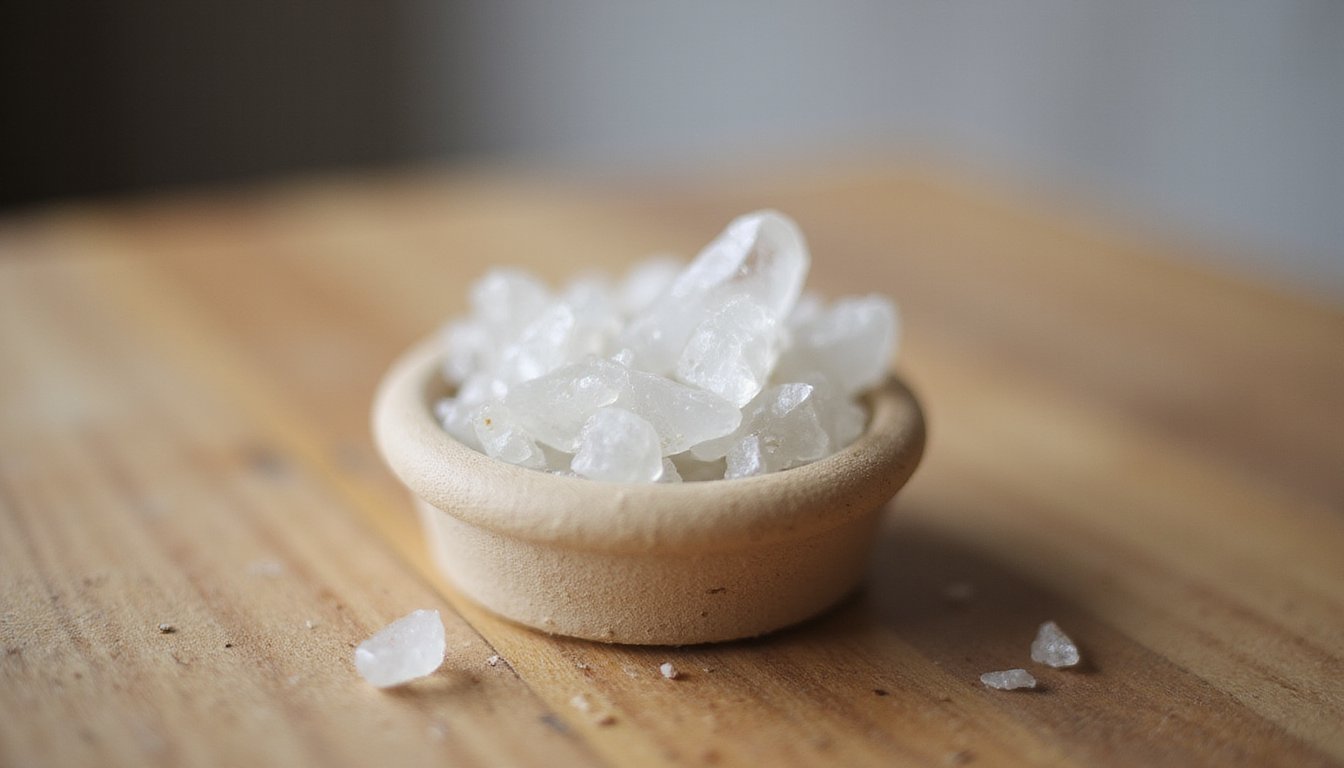
Many people describe methamphetamine’s odor as reminiscent of cat urine, and this comparison stems directly from the anhydrous ammonia used during synthesis. When you’re wondering what drug smells like cat pee, meth tops the list because volatile organic compounds and residual manufacturing chemicals create that distinctive sharp, ammonia-like scent. These odors linger on surfaces and permeate environments where production occurs. In addition to the unpleasant odor, substances like methamphetamine can significantly affect sleep patterns. Many users might wonder, does insomnia go away with phentermine, particularly if they are seeking solutions to manage their sleep issues.
Cocaine presents a contrasting profile. When you encounter what drug smells sweet when smoked, cocaine produces a mild, powdery sweetness from impurities and cutting agents. This distinguishes it from drugs that smell like chemicals, though both substances contain synthetic compounds. Pure methamphetamine is technically odorless, the harsh scents you detect originate from synthesis byproducts, not the drug itself. Some users also report a taste described as bitterly chemical, often compared to burnt plastic or metallic bitterness when the substance is consumed. When meth is smoked, it can produce a burnt rubber or plastic smell that clings to clothing and personal belongings long after use.
Why Chemically Different Drugs Can Smell the Same
Chemically distinct drugs frequently produce identical odors because your olfactory receptors respond to molecular features rather than complete chemical structures. Aromatic substructures and functional groups like carbonyl rings serve as universal recognition patterns, enabling overlapping drug smells despite different pharmacological properties.
When you encounter drugs that smell like ammonia, you’re detecting shared molecular substructures rather than the active compounds themselves. Manufacturing byproducts, precursor chemicals, and solvent odors persist in illicit substances because production lacks purification controls. These volatile compounds bind to the same receptor types through π, π stacking and hydrogen bonding interactions. When you encounter drugs that smell like ammonia, you’re detecting shared molecular substructures rather than the active compounds themselves, which helps explain what do drugs smell like when smoked as odors often come from byproducts and solvents rather than the drug itself. Manufacturing byproducts, precursor chemicals, and solvent residues persist in illicit substances because production lacks purification controls, and these volatile compounds bind to receptor types through π, π stacking and hydrogen bonding interactions.
Your olfactory system classifies molecules by feature patterns, not complete identity. Esters, phenolic compounds, and aromatic structures trigger similar receptor responses across pharmacologically unrelated substances, making smell-based drug identification inherently unreliable. Chronic medication use can lead to drug accumulation in sensory tissues, potentially altering how you perceive these odors through biochemical disruption of smell signals.
How Your Nose Reads Drug Molecules

Your nose doesn’t classify drugs the way chemistry textbooks do, it reads molecular shape, particularly where carbonyl groups sit on a compound’s backbone. When you inhale drug vapors, your olfactory receptors respond to specific structural features that can make chemically unrelated substances trigger identical receptor patterns. This biological reality means your sensory system groups drugs by how they fit receptor binding sites, not by their pharmacological category or synthesis pathway. Researchers at Duke University have developed a machine using live smell receptor cells from mice that can detect target odors, potentially offering a technological alternative to how both humans and trained animals identify substances by scent. Meanwhile, scientists at Seoul National University have engineered an artificial olfactory sensor using human receptor proteins bound to graphene sheets, achieving over 90% accuracy in distinguishing between similar chemical compounds.
Carbonyl Position Matters Most
A single carbon’s difference in where a carbonyl group sits along a molecule’s backbone can determine whether your nose recognizes two compounds as similar or completely distinct. When researchers shifted an ester group three carbons along a molecular chain, olfactory sensory neuron coactivation dropped to 46.5%. A one-carbon shift alone reduces coactivation by 61.9%.
Your receptors prioritize carbonyl location over functional group identity. When a ketone and medial ester differ by only two carbons in carbonyl placement, 74% of responding neurons still cross-activate, despite the oxygen-carbon substitution. Ether oxygen position proves secondary; 82% of neurons maintain cross-activation when carbonyls remain equidistant from the terminus regardless of opposite ether placements.
This positional sensitivity explains why structurally different drugs trigger overlapping smell perceptions when their carbonyl groups occupy equivalent molecular positions. Understanding these relationships requires combining computational analysis with biological responses from olfactory neurons, since purely computational approaches fail to provide meaningful mechanistic data.
Receptors Override Chemical Structure
While carbonyl position determines which neurons fire together, the receptor proteins themselves act as the ultimate arbiters of smell perception, their binding pockets override traditional chemical classification entirely.
Your olfactory receptors don’t read chemical formulas, they measure physical fit. Binding pocket volume acts as the primary gatekeeper, determining which molecules gain entry regardless of their molecular composition. Amino acids lining these pockets form weak, non-selective bonds with odorant molecules, allowing structurally diverse compounds to activate identical receptors. This receptor flexibility explains why OR2W1 responds to diverse sulfur-containing compounds alongside completely different odorant classes.
This explains why chemically dissimilar drug volatiles trigger the same smell perception. Pocket geometry supersedes traditional classification schemes. When a molecule fits the spatial constraints and satisfies hydrophobic or polar interaction requirements, activation occurs, chemical identity becomes secondary. Research confirms this principle through heterologous expression studies, where Or43b expressed in empty neurons produced robust responses to 2-ethyl-1-hexanol, demonstrating that individual receptors can be definitively matched to specific volatile compounds.
You’re not smelling chemistry. You’re detecting shapes that happen to fit your receptor architecture.
Biology Beats Traditional Classification
Because olfactory receptors function as Class A GPCRs, they process drug molecules through the same fundamental mechanisms that govern pharmaceutical binding throughout your body. Your nose doesn’t classify chemicals by their source, it reads molecular features like bond distances, electronic charge distributions, and 3D pharmacophore fingerprints.
This biological approach compresses thousands of potential odorants into approximately 400 OR activity profiles. When you smell something “sweet” or “chemical,” you’re detecting pattern matches across receptor activation, not chemical categories. Research confirms that larger, structurally complex molecules are consistently perceived as more pleasant across human subjects. Notably, opioids, cannabinoids, and sildenafil have been shown to reduce olfactory function by interacting with this signaling cascade.
- Your receptors can’t distinguish between a drug’s solvent and a household cleaner sharing similar molecular geometry
- Sulfur compounds trigger “garlicky” responses regardless of their source
- Esters activate “fruity” pathways whether from fruit or synthetic production
- Individual OR genetics create unique smell experiences for identical molecules
- Drug-induced cAMP signaling changes alter your baseline perception accuracy
The Carbonyl Group: A Tiny Feature That Drives Odor Overlaps

Though drug odors often seem distinct, a single molecular feature, the carbonyl group, drives substantial overlap in how your nose perceives chemically unrelated compounds. This C=O structure appears in aldehydes, ketones, and esters, and its position along the carbon chain determines which odorant receptors activate.
Your olfactory sensory neurons don’t strictly distinguish between functional groups. Research shows ketones activate 74% of the same OSNs that respond to corresponding esters when carbonyl placement matches. Approximately 28% of tested neurons respond to entire ester-ketone panels, creating significant perceptual crossover.
Aldehydes add complexity through hydration. In your nasal mucus, they convert to gem-diol forms, which 42% of aldehyde-specific cells require for activation. This shared carbonyl-driven recognition explains why drugs with different structures produce confusingly similar sweet or chemical odors. The vibration theory of olfaction suggests that molecular bond frequencies may also contribute to these perceptual overlaps, since compounds with similar vibrational properties can activate the same receptors. Your brain ultimately identifies unique odor patterns because each receptor detects several related odorants, allowing overlapping molecular features to generate distinct perceptions.
Why Receptor Shape Matters More Than Chemical Structure
You might assume that two molecules need identical chemical structures to smell alike, but your olfactory receptors prioritize shape complementarity over exact molecular matches. When a carbonyl group sits in the right position within a molecule’s three-dimensional form, it can activate the same receptor as a structurally unrelated compound, explaining why bioisosteres with different atoms often produce indistinguishable odors. This biology-centric framework, where receptor pocket geometry determines binding rather than chemical class, reshapes how you should interpret odor overlap across diverse drug compounds. The ligand-binding cavity is highly variable between different olfactory receptors specifically to accommodate the enormous diversity of odorant structures we encounter. Rather than forming strong, specific chemical bonds, receptors rely on weak, non-specific chemical interactions with odor molecules, which allows the same binding pocket to accommodate many different compounds.
Carbonyl Position Drives Recognition
The spatial orientation of carbonyl groups within a molecule often determines receptor binding more decisively than the compound’s overall chemical identity. When you examine how drugs interact with receptors, you’ll find that carbonyl positioning influences binding orientation at receptor sites. This explains why structurally different compounds can trigger similar recognition responses.
Carbonyl-trapping mechanisms identify reactive sites that shape how receptors perceive molecules. The α-carbon position drives umpolung reactions that alter effective molecular geometry, allowing diverse substances to mimic each other’s shapes.
- You can’t distinguish drugs by smell when carbonyls align similarly
- Your receptors prioritize geometry over molecular fingerprints
- Enantioselective positioning creates deceptive shape complementarity
- Transition metal catalysis controls stereochemistry affecting recognition
- Intermittent transitions match molecular centers to receptor geometry unexpectedly
Bioisosteres Defy Chemical Logic
Nearly all assumptions about drug recognition fall apart when bioisosteres enter the picture. You’d expect molecules with identical connectivity to behave identically, but receptor shape recognition overrides this logic. Consider L-162,389: a simple bioisosteric swap converts it from antagonist to agonist L-162,782. The receptor doesn’t care about your chemical intuition.
You’ll find that 3-hydroxy-5-methyl-4-isoxazole mimics glutamic acid’s carboxylate despite radical structural differences. What matters is size, shape, electronics, pKa, and hydrogen-bonding capacity, not exact atomic arrangement. Tetrazole in losartan boosts AT1 receptor binding affinity while diverging chemically from carboxylic acids. Bicyclo[1.1.1]pentane outperforms phenyl isosteres in SAR studies through superior geometric presentation.
Receptors prioritize spatial complementarity and electronic compatibility. They recognize molecular topology, not textbook functional groups.
Biology-Centric Clustering Wins
Because olfactory receptors prioritize three-dimensional shape over chemical structure, biology-centric clustering explains why dissimilar molecules produce identical smells. Your receptors don’t analyze molecular formulas, they respond to how compounds fit their binding pockets. When eugenol and DEET dock identically despite chemical differences, they trigger overlapping activation patterns your brain interprets as similar odors.
Research demonstrates 3D pharmacophore fingerprints predict perceptual similarity better than 2D structures (R²=0.514). Docking profiles across approximately 400 human olfactory receptors reveal that molecules sharing activation vectors cluster perceptually, regardless of structural diversity.
- Your brain decodes combinatorial receptor patterns, not isolated chemistry
- Single amino acid mutations reconfigure responses to multiple compounds
- Weak, nonspecific interactions enable one pocket to accommodate thousands of odorants
- Similar docking scores correlate with perceived odor similarity
- Receptor promiscuity underlies your ability to discriminate diverse smells
Five Molecular Traits Behind Harsh Drug Odors
Harsh, pungent drug odors emerge from five distinct molecular traits that determine how volatile compounds interact with olfactory receptors.
First, you’ll find allylic and bicyclic structures producing woody, spicy notes, polycyclic molecules like copaene and isocaryophyllene exemplify this pattern. Second, unsaturated rings and aromatic moieties generate balsamic, medicinal odors; alkyl substituent arrangement on phenol rings specifically creates leather-like and horse stable-like qualities.
Third, aldehydes, alcohols, amines, and sulfur compounds combine to produce sulfurous, pungent odors. Thiols and aliphatic amines drive particularly offensive notes. Fourth, esters with long carbon chains yield oily, fatty characteristics that overlap with fruity notes.
Fifth, carbonyl group positioning proves critical, shifting the carbonyl’s relative position activates up to 74% of overlapping olfactory sensory neurons, explaining why structurally similar drugs produce indistinguishable odors.
How Cutting Agents Change a Drug’s Smell
When dealers dilute drugs with cutting agents, they fundamentally alter the olfactory profile you’d expect from the pure substance. Ammonia added to cocaine produces a sharp, chemical odor that masks the base compound’s characteristics. Methamphetamine cut with acetone-based agents emits nail polish remover fumes, while battery acid contributes burnt plastic notes.
Cutting agents transform a drug’s smell profile, ammonia sharpens cocaine while acetone gives meth its distinctive nail polish remover scent.
You’ll encounter heroin batches where caustic chemicals create pungent, atypical scents. Crack cocaine mixed with benzene develops musty, sweet undertones that differ entirely from uncut product. In a similar vein, understanding the mechanism of action for phentermine can highlight how its effects on appetite suppression distinguish it from other stimulants. As it influences neurotransmitter levels in the brain, the resulting changes can lead to significant weight loss when combined with lifestyle modifications. By exploring these biochemical pathways, we gain insight into its efficacy and potential side effects.
- Fentanyl remains nearly odorless, making contaminated batches undetectable by smell
- Lidocaine adds medicinal notes that suggest pharmaceutical-grade purity falsely
- Powdered sugar creates deceptively mild, sweet profiles in cocaine
- Formaldehyde introduces sterile, clinical odors to crack
- Paracetamol alters both taste and scent, complicating identification
What Odor Overlaps Mean for Detection Dogs
How effectively can detection dogs distinguish between substances when multiple narcotics share similar chemical signatures? Despite odor overlap challenges, narcotic detection canines achieve positive alert rates exceeding 90% in controlled environments. Belgian Malinois demonstrate 98% accuracy with only 4% false alerts, while German Shepherds record 100% detection rates. Dogs detect scents at 1, 2 parts per trillion, which magnifies sensitivity to overlapping odors from marijuana, cocaine, methamphetamine, and heroin.
You should recognize that handler influence profoundly impacts performance. Handler beliefs alone trigger over 200 erroneous alerts when no target scent exists. This cognitive factor affects outcomes beyond the dog’s olfactory capabilities. Efficient detection dogs exhibit confidence, strategic independence, and minimal errors. Their 220 olfactory receptors enable differentiation between narcotics despite chemical similarities, though contextual factors like odor persistence and familiarity affect operational reliability.
Your Journey to Recovery Starts Now
If you or someone you love is struggling with drug addiction, you do not have to face it alone. At New Jersey Outpatient Detox, we are here to guide you toward the right Drug Detox Programs that fit your needs and support your path to lasting recovery. Call (844) 866-4590 today and let us help you take back control of your life.
Frequently Asked Questions
Can Humidity or Temperature Change How a Drug Smells Indoors?
Yes, both factors directly alter drug odors. When you store medications above 30°C, heat accelerates oxidation and hydrolysis, releasing new volatile compounds you’ll detect as changed smells. Humidity exceeding 60% promotes moisture absorption, triggering chemical degradation that produces distinct odors. You’ll notice these shifts most in bathrooms and kitchens, where temperature and humidity fluctuate considerably. These environmental conditions destabilize molecular structures, creating detectable scent variations from the same substance.
Do Prescription Medications Ever Smell Identical to Illegal Street Drugs?
Yes, prescription medications can smell identical to illegal street drugs. When you crush or heat opioid pills, they’ll release sweet, burnt sugar scents matching smoked heroin. Prescription amphetamines emit ammonia or acetone-like odors overlapping with methamphetamine. Lidocaine produces ether and solvent aromas indistinguishable from cocaine. These similarities occur because both categories share chemical precursors, solvents, and base compounds. You can’t reliably differentiate legal from illegal substances through odor alone.
Why Do Some People Smell Drugs Differently Than Others?
You perceive drug odors differently because your olfactory receptors vary genetically, up to 30% of these receptors differ between individuals, altering how molecules register. Your brain’s processing also matters: addiction changes activation patterns in the anterior cingulate and frontal regions, reducing odor discrimination scores. Age affects hedonic perception, while substance use disorders impair limbic system function, shifting how you rate odor pleasantness. These biological variations make identical chemicals smell distinct to different people.
Can Drug Odors Linger on Clothing or Furniture for Extended Periods?
Yes, drug odors can linger on clothing and furniture for extended periods. Residues from substances like methamphetamine absorb into fabric fibers and upholstery, where they desorb over time, re-releasing volatile organic compounds into the air. When you disturb contaminated materials, you trigger airborne exposure. These odors can persist for days to years. You’ll need multiple wash cycles or professional decontamination to effectively remove embedded residues from absorbent surfaces.
Are There Any Drugs That Have Absolutely No Detectable Smell?
Yes, several drugs have absolutely no detectable smell. You’ll find fentanyl, GHB, and Rohypnol classified as fundamentally odorless in their pure forms. This olfactory neutrality makes them particularly dangerous, you can’t detect fentanyl mixed into other substances, and GHB or Rohypnol dissolve unnoticed in beverages. Xenon gas also lacks any perceptible odor. These drugs’ undetectable smell profiles substantially increase accidental exposure risks and complicate identification without laboratory analysis.