






Certain herbal shots trigger dependence because compounds like mitragynine in kratom activate your brain’s opioid receptors, while concentrated caffeine and ephedrine-like botanicals flood dopamine pathways, the same circuitry involved in addiction. You’re developing a problem if you need larger doses for the same effect, experience irritability or fatigue without your daily shot, or feel unable to function normally without one. Understanding the full spectrum of warning signs can help you assess your relationship with these products. alkaloid withdrawal symptoms explained can be quite debilitating, often manifesting as anxiety, mood swings, and physical discomfort. Recognizing these symptoms early is crucial in taking proactive steps to reduce dependency and seek support. By being aware of the potential impacts, individuals can make more informed choices about their health and wellbeing.
What Makes Certain Herbal Shots Chemically Addictive
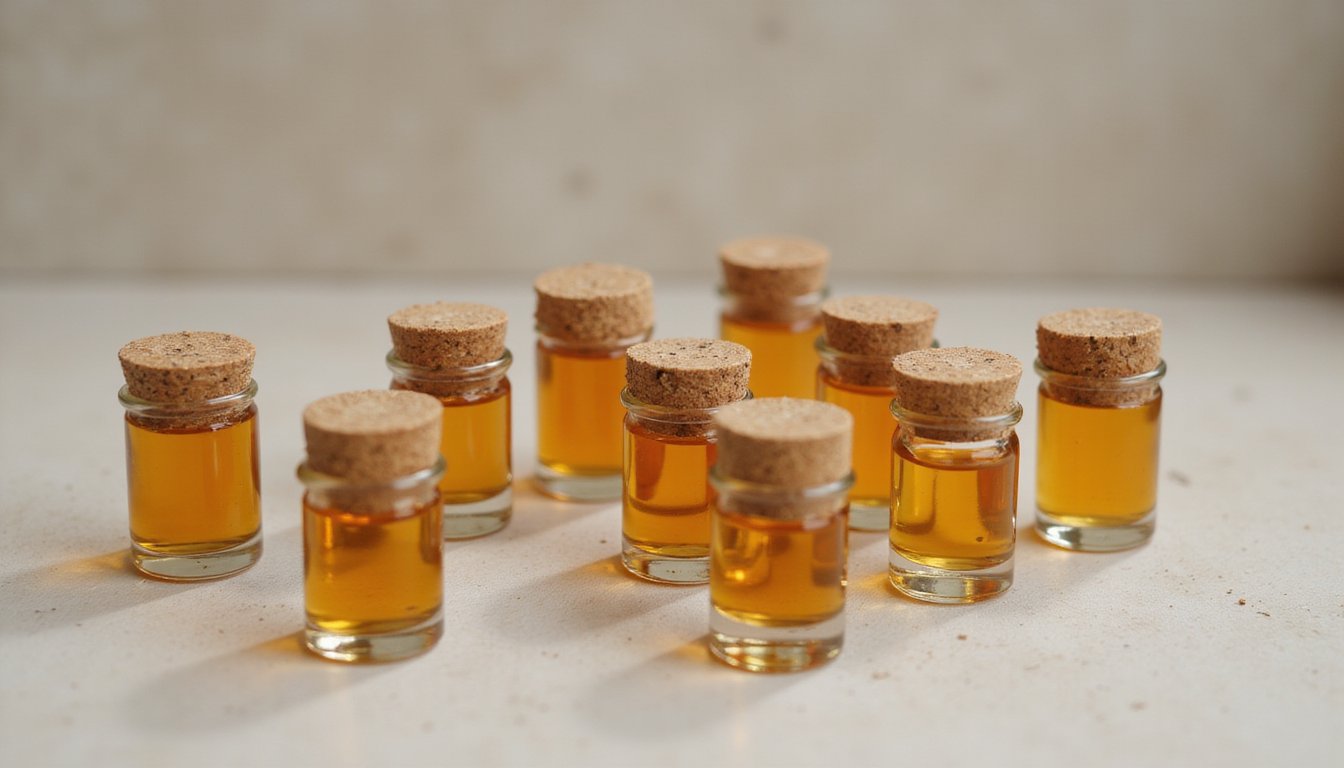
When you reach for a concentrated herbal shot, you’re often consuming pharmacologically active plant alkaloids that can directly alter brain chemistry in ways similar to conventional drugs. Compounds like mitragynine in kratom act as partial agonists at μ-opioid receptors, producing euphoria and analgesia. Ephedrine-containing botanicals increase synaptic norepinephrine and dopamine, mimicking stimulant effects.
These neurotransmitter alterations activate your mesolimbic dopamine pathway, the same reward circuit targeted by addictive substances. Liquid formulations accelerate absorption, and faster onset correlates directly with higher addiction potential. When caffeine, sugars, and concentrated extracts combine, they synergistically amplify dopamine signaling.
With repeated use, your brain down-regulates dopamine receptors, creating tolerance and blunted pleasure responses. This neuroadaptation establishes withdrawal potential, you’ll need increasing amounts to achieve the same effect, marking the progression from casual use to chemical dependence. The risk of addiction and speed at which dependence develops varies significantly depending on the specific botanical compounds consumed.
How Wellness Marketing Disguises the Risk of Dependence
You might assume a “natural” or “plant-based” label signals safety, but these terms carry no regulatory weight and obscure the presence of dependency-forming compounds like kratom alkaloids or high-dose caffeine. Wellness branding encourages you to integrate these shots into daily routines, morning energy, afternoon focus, evening relaxation, normalizing a frequency of use that accelerates tolerance and withdrawal risk. The small bottle format further disguises potency, as concentrated doses of psychoactive ingredients hide behind packaging that resembles vitamin supplements rather than drugs. Adding to the deception, products like Feel Free contain no warnings about potential side effects or risks of use, leaving consumers uninformed about the dangers they face. Companies have even hired brand ambassadors to promote these products on college campuses, telling students the drinks would “fix all their stress”. This aggressive marketing strategy extends beyond campuses, with products distributed through gas stations and convenience stores alongside everyday beverages, further blurring the line between harmless refreshments and substances carrying serious addiction risks.
“Natural” Labels Minimize Concern
Although herbal shots and wellness drinks often contain habit-forming compounds like kratom, kava, or high-dose caffeine, the “natural” and “clean” labels on their packaging create a powerful health halo effect that minimizes perceived risk. You’re likely to overestimate safety when you see these terms, even though they lack standardized definitions. Consumers may jump to conclusions early based on favorable statistics without conducting deeper research into the actual ingredients and their effects.
Misleading marketing claims exploit this perception gap through:
- Front-of-package imagery (leaves, fruits, green coloring) that increases perceived healthiness regardless of actual contents
- Terms like “plant-based” and “all-natural” that remain largely unregulated
- Added vitamins or botanicals that camouflage stimulant or dependency risks
- Wellness narratives suggesting therapeutic benefits without clinical evidence
Inadequate regulatory oversight allows these practices to persist. You can’t rely on “natural” labeling to indicate reduced addiction potential or safety. The FTC has taken action against companies like TriVita for making deceptive health claims about products without competent and reliable scientific evidence to support them. The CDC’s Division of Nutrition, Physical Activity and Obesity works to prevent chronic diseases and promote healthy communities, yet their evidence-based resources are often overshadowed by unregulated wellness marketing that contradicts public health guidance.
Daily Routines Normalize Overuse
Because wellness brands position functional beverages as daily health tools rather than occasional indulgences, you’re more likely to integrate them into morning routines, work breaks, and evening wind-downs without questioning frequency. Market data confirms this shift: functional beverage consumption grows at 8.9% annually, with health drink spending projected to reach $144 billion by 2034.
The normalization of daily consumption stems from marketing that frames repeated use as goal-aligned behavior. When you associate herbal shots with productivity or gut health maintenance, the overreach of wellness branding obscures escalating intake patterns. Social media amplifies this through 30-day challenges and ritual-based content that presents constant sipping as aspirational self-care. Research shows that awareness of health risks does not correlate with reduced consumption, meaning even informed consumers continue their daily habits despite knowing potential dangers. This pattern persists despite the fact that 73% of Gen Z consumers check ingredient lists before purchases, suggesting that label scrutiny alone fails to prevent habitual overconsumption. Gen Z is particularly vulnerable to these marketing tactics, as they are driving demand for flavorful, convenient non-alcoholic drinks designed for on-the-go and social consumption throughout the day.
This framework makes overconsumption socially invisible, private, routine, and justified by health intentions rather than examined for dependence risk.
Small Bottles, Hidden Doses
When a 2-ounce wellness shot delivers caffeine or stimulant loads equivalent to a 16-ounce energy drink, the miniature format itself becomes a vector for underestimating pharmacological exposure. This pocket sized potency masks genuine drug-like dosing behind convenient packaging.
The concentrated contents present specific risks:
- Kratom extracts in small bottles contain higher alkaloid concentrations than traditional preparations, accelerating dependence pathways
- Ambiguous serving sizes (“½ bottle per serving”) obscure actual intake when you consume the full container
- Multi-shot daily consumption compounds exposure without triggering the volume-based mental accounting that larger drinks prompt
- Fine-print ingredient lists bury addictive compounds under botanical names or proprietary blend designations
- Ads have specifically targeted individuals in recovery from alcohol, exploiting vulnerable populations seeking alternatives
- Some products are regulated as dietary supplements, allowing them to bypass caffeine limits that would otherwise apply to conventional beverages
You’re consuming pharmaceutical-grade stimulant or opioid-receptor-active doses repackaged as wellness accessories, making escalation and withdrawal development more likely. One consumer’s dependency on Feel Free led to over $12,000 in debt and serious health consequences, illustrating how quickly casual use can spiral into addiction.
Behavioral Warning Signs You’re Developing a Habit
When you notice you’re reaching for stronger formulations or doubling your usual dose just to feel the same effect, your body is signaling tolerance development. You may find yourself mentally tracking your supply, planning purchases in advance, and feeling anxious when stock runs low. This preoccupation can lead to increased irritability and withdrawal from friends and family who might question your habits. Over time, your brain’s natural dopamine production decreases, making you rely on these drinks for basic emotional balance. What started as a flexible wellness routine can quietly shift into rigid rules, specific times, exact amounts, and rituals you feel compelled to follow. Just like high traffic volume can overwhelm a server and block normal requests, your nervous system can become overloaded when dependent on external substances for regulation.
Needing Stronger Doses Daily
Although occasional herbal shots may seem harmless, needing progressively larger or more frequent doses to achieve the same calming, energizing, or mood-boosting effect signals a key warning sign: pharmacological tolerance. Dose fluctuations and timing variability often mark the transition from casual use to dependence.
Watch for these patterns:
- Diminished effects from your usual serving size after weeks of consistent use
- Preference shifts toward products with higher concentrations of active herbs like kratom or kava
- Continued escalation despite side effects such as increased heart rate, nausea, or sleep disruption
- Shortened intervals between doses when effects wear off prematurely
These behaviors indicate neuroadaptation of reward and stress pathways, reflecting loss of control that mirrors dose-escalation patterns observed in other substance use disorders.
Planning Around Your Supply
Beyond dose escalation, behavioral patterns around obtaining and maintaining your supply offer equally revealing diagnostic clues. When you notice yourself planning daily schedules around access to specific stores or delivery windows, you’ve crossed from casual use into compulsive behavior. Organizing shopping routes based primarily on wellness drink availability, rather than practical efficiency, signals psychological dependence.
Watch for these warning signs: stockpiling bottles despite limited storage, hiding purchases from partners, or experiencing disproportionate anxiety when supply runs low. You might catch yourself checking inventory obsessively or feeling unable to relax until your next shipment arrives.
Financial trade-offs provide additional evidence. If you’re cutting back on essentials to maintain wellness drink purchases or concealing spending from family members, these behaviors mirror patterns clinicians observe in recognized substance use disorders.
Rituals Become Rigid Rules
Casual wellness drink habits often shift into rigid rituals so gradually that you don’t notice until flexibility disappears entirely. What begins as a pleasant routine transforms into non-negotiable sequences where adherents cling to exact timing, specific cups, or precise preparation steps.
Ritual resistance emerges when any element changes:
- Small deviations from your usual routine trigger disproportionate tension or irritability
- Clock-based consumption replaces genuine desire or enjoyment
- Preparation sequences (lighting, breathing exercises, affirmations) become mandatory rather than optional
- Decision-making shifts from flexible choice to automatic, rule-bound behavior
This pattern mirrors compulsive use described in addiction research. Your daily schedule reorganizes around protecting ritual windows, and mood stability feels conditional on executing each step correctly. When structure becomes inflexible, casual use has crossed into psychological dependence.
Physical and Psychological Withdrawal Symptoms to Watch For
When you reduce or stop using herbal shots and wellness drinks that contain dependence-forming compounds, your body often signals the change through distinct physical symptoms. The underlying neurochemistry of these products, particularly those acting on opioid or GABA receptors, produces unintended consequences when discontinued abruptly. wellness drinks with hidden risks often mask the potential for dependency, leading consumers to overlook their impact on health. It’s essential to scrutinize ingredients and understand the effects they can have if consumption suddenly ceases. By becoming aware of these hidden dangers, individuals can make more informed choices about their wellness beverages.
| Physical Signs | Psychological Signs | Timeline |
|---|---|---|
| Heightened heart rate, sweating, tremor | Anxiety, irritability, panic | Hours to days after last dose |
| Nausea, diarrhea, muscle aches | Intense cravings, poor concentration | Peak severity within days |
| Insomnia, runny nose, chills | Depression, emotional lability | Gradual decrease, though mood symptoms persist longer |
You’ll typically experience a two-phase pattern: early autonomic and flu-like symptoms followed by prolonged mood disturbance and sleep disruption. Higher doses and longer use increase withdrawal intensity.
Red Flags That Your Wellness Drink Use Has Become an Addiction
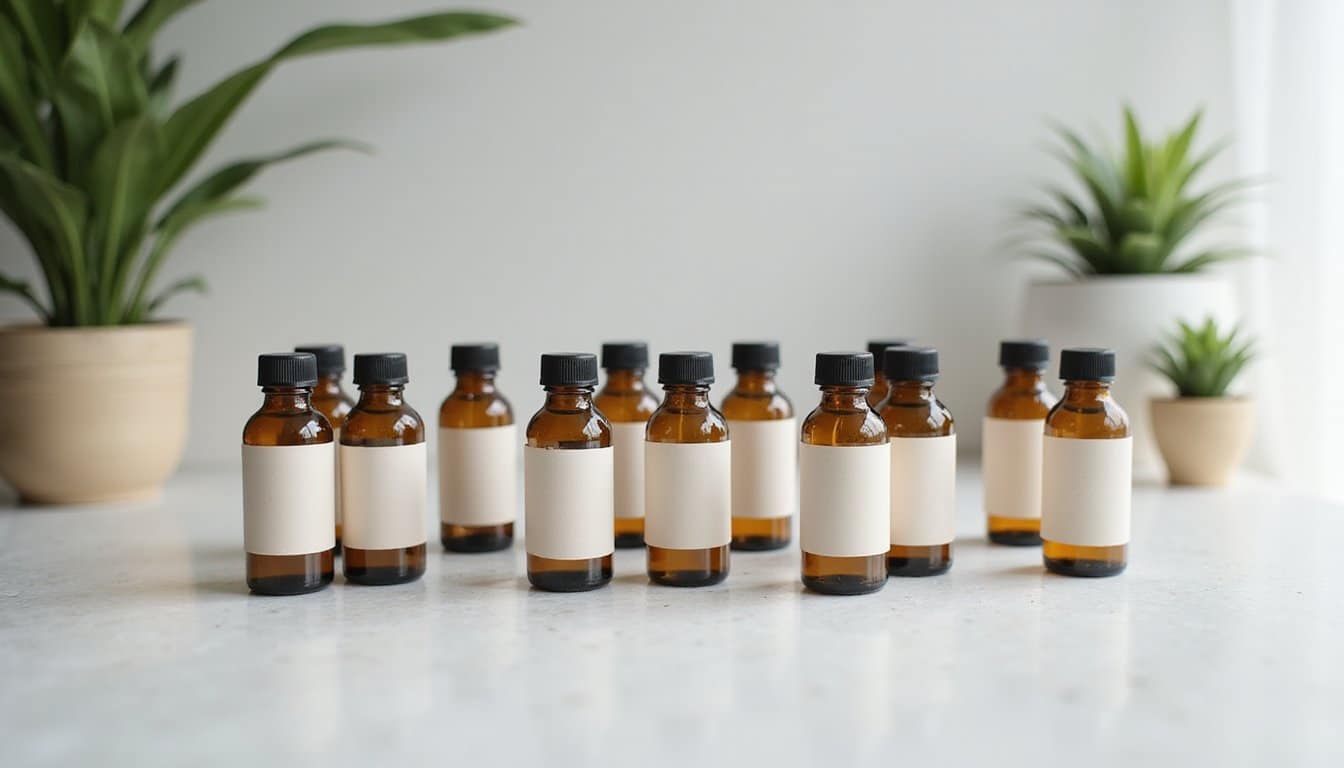
Although wellness drinks and herbal shots are marketed as natural health boosters, their active compounds, including kratom alkaloids, kava lactones, and high-dose caffeine, can produce genuine addiction through the same neurological pathways involved in substance use disorders. Recognizing the addictive potential early allows for timely intervention.
Key dependence signifiers include:
- Escalating tolerance: You’re consuming more shots or seeking stronger formulations to achieve previous effects
- Loss of control: You’ve tried unsuccessfully to reduce intake despite clear intentions
- Functional impairment: Work performance, relationships, or health has declined due to your wellness drink use
- Psychological reliance: You experience cravings or anxiety when supplies run low
If you’re exceeding recommended doses, mixing products with alcohol or sedatives, or continuing use despite medical warnings, these patterns indicate addiction requiring professional evaluation.
Safer Consumption Practices for Herbal Energy and Relaxation Shots
Even if herbal shots carry “natural” or “wellness” labels, they contain pharmacologically active compounds that require the same respect you’d give any stimulant or sedative substance.
Limit total caffeine intake to 400 mg daily from all sources, accounting for hidden stimulants like guarana and yerba mate. Those with caffeine sensitivities or cardiovascular concerns should consult a healthcare provider before use. Avoid products listing proprietary blends without exact milligram disclosures.
Never stack shots with other stimulants, alcohol, or pre-workout supplements. Consume no closer than six hours before bedtime. Skip use before intense exercise, as these products aren’t designed for hydration and may stress your heart.
Reserve shots for intermittent, situational needs rather than daily habits. Read labels carefully, prefer transparent dosing, and avoid unfamiliar concentrated herbal extracts without verified safety data.
Steps to Take When You Suspect Dependence on Wellness Drinks

Because wellness drinks often escape the scrutiny applied to conventional substances, you may not immediately recognize that your daily ritual has crossed into dependence. Key warning signs include repeated failed attempts to cut back, needing larger doses for the same effect, and experiencing headaches or irritability when you skip a serving.
Take these steps if you suspect dependence:
- Disclose fully to your primary care provider, listing all shots, tonics, and powders you consume
- Request screening using standardized substance-use criteria applied to your wellness drink behavior
- Identify triggers such as stress, deadlines, or emotional distress that drive excessive intake
- Develop a holistic treatment plan that incorporates evidence based supports like behavioral therapy and structured tapering
Early intervention prevents escalation and supports lasting recovery.
Frequently Asked Questions
Can My Doctor Detect Herbal Shot Dependence Through Blood Tests?
Your doctor can’t detect herbal shot dependence directly through standard blood tests. Routine lab panel analysis doesn’t include assays for most botanical ingredients found in wellness drinks. Clinical screening for dependence relies primarily on your reported usage patterns, withdrawal symptoms, and functional impairment rather than bloodwork. However, blood tests may reveal indirect signs like heightened liver enzymes if chronic overuse has caused organ stress, prompting further conversation about supplement habits.
Are Herbal Shots More Addictive Than Regular Coffee or Energy Drinks?
Herbal shots aren’t necessarily more addictive than coffee or energy drinks, but they carry unique overconsumption risks. You may unknowingly consume hidden ingredients like undisclosed caffeine levels, guarana, or other stimulants that amplify dependence potential. Their small, ready-to-drink format encourages rapid, repeated dosing, while “wellness” branding can lower your perceived risk. If you’re consuming similar caffeine loads to energy shots, you’ll develop comparable tolerance and withdrawal regardless of the “natural” label. In light of this, many people are seeking natural alternatives to opioids for pain management and relief. These options, such as certain herbal remedies and holistic therapies, can provide benefits without the high risk of dependency associated with traditional painkillers. However, consumers must still approach these alternatives with caution, as they can also carry their own set of risks and potential side effects.
Should I Tell My Employer About My Wellness Drink Dependence?
You don’t need to disclose dependence to your employer unless it’s impairing your job performance or affecting safety-sensitive duties. Before making any decision, consider counseling through your company’s Employee Assistance Program, which offers confidential assessment without notifying supervisors. An EAP counselor can help you determine whether disclosure is necessary and develop a tailored plan. This approach protects your privacy while ensuring you receive appropriate support for your situation.
Do Herbal Shot Addictions Qualify for Insurance-Covered Treatment Programs?
Yes, herbal shot addictions can qualify for insurance-covered treatment when you receive a formal substance use disorder diagnosis. Your insurance coverage options depend on your specific plan, but most ACA-compliant policies must cover SUD treatment under parity laws. To meet rehab program requirements, you’ll typically need documentation of functional impairment, health consequences, and failed quit attempts. Contact your insurer directly to verify benefits and prior-authorization needs for your situation.
Can Children or Teenagers Develop Dependence on Herbal Wellness Shots?
Yes, you can develop dependence on herbal wellness shots during childhood or adolescence. Your developing brain’s reward and impulse-control circuits remain vulnerable, making underage consumption risk particularly significant. Products containing kratom, tianeptine, or high-dose caffeine act on opioid, GABA, or stimulant pathways that promote tolerance and withdrawal. Unsupervised self medication for stress, focus, or mood regulation accelerates this progression. Watch for escalating use, withdrawal symptoms between doses, and difficulty stopping despite negative consequences.