





During outpatient detox care, you’ll work with several types of nurses who specialize in addiction treatment. Registered Nurses (RNs) and Licensed Practical Nurses (LPNs) provide direct care, medication management, and monitoring of your withdrawal symptoms. Advanced Practice Registered Nurses (APRNs) oversee complex cases and adjust treatment plans. These healthcare professionals collaborate with doctors, counselors, and social workers to support your recovery journey. Understanding their unique roles can help you maximize your treatment experience. During outpatient detox care, you’ll work with several types of nurses who specialize in addiction treatment. Registered Nurses (RNs) and Licensed Practical Nurses (LPNs) provide direct care, medication management, and close monitoring of withdrawal symptoms, while Advanced Practice Registered Nurses (APRNs) oversee complex cases and adjust treatment plans, particularly important when questions arise about how to safely detox from benzos under medical supervision rather than attempting it alone. These healthcare professionals collaborate with doctors, counselors, and social workers to support your recovery journey, and understanding their distinct roles can help you maximize your treatment experience. In addition to direct care and medication management, monitoring detox procedures in outpatient settings ensures that patients are safe and supported throughout their recovery. This thorough observation allows healthcare providers to make timely adjustments to treatment plans, enhancing the overall effectiveness of the detox process. As you progress, the collaborative efforts of the healthcare team become increasingly vital in addressing any challenges that may arise during your treatment.
Understanding the Roles of Different Detox Nurses
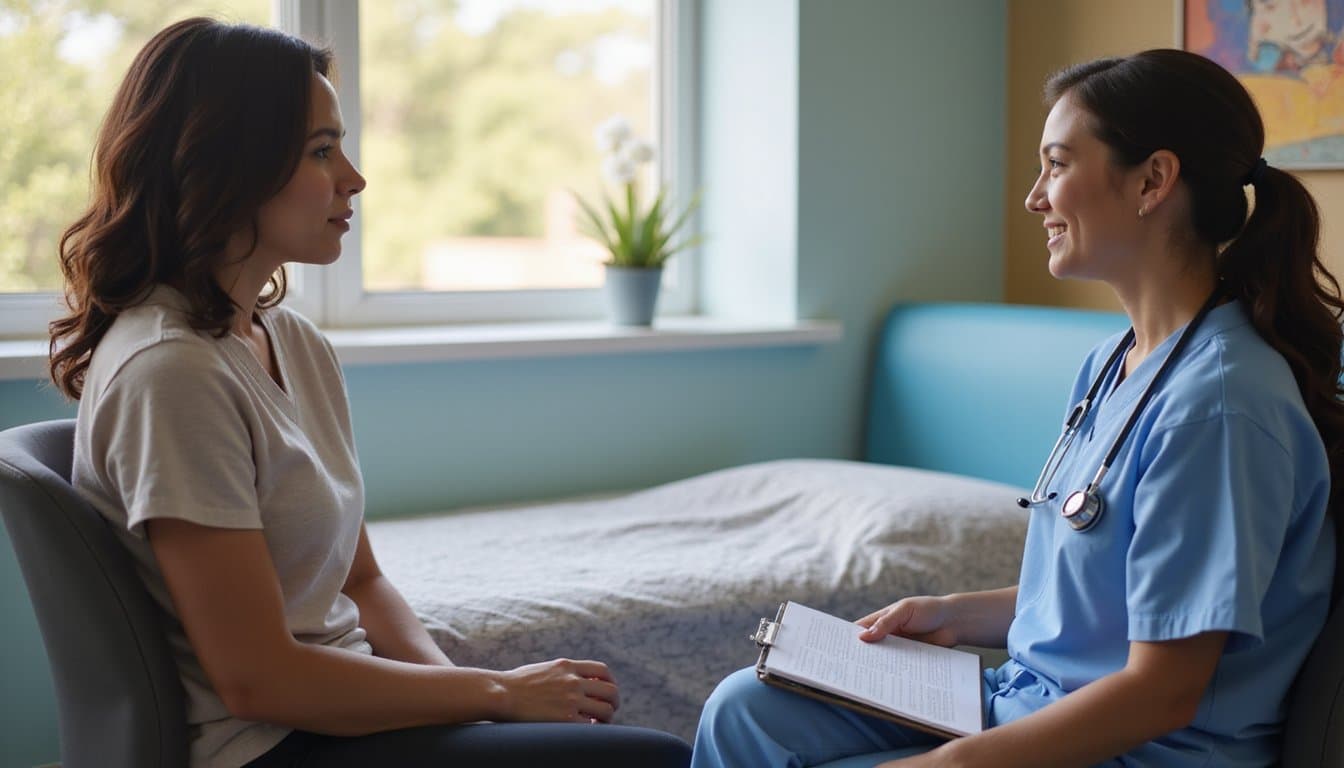
When patients enter outpatient detox programs, they’ll encounter several types of nurses who play distinct but interconnected roles in their recovery journey. These detox nurse roles encompass clinical assessment specialists who monitor withdrawal symptoms and crucial signs, medication management nurses who administer and adjust MAT treatments, and patient education nurses focused on health literacy and coping strategies. Many nurses work in drug rehabilitation centers to provide comprehensive care across all stages of recovery. These dedicated professionals earn between $70,000-$80,000 annually based on their expertise and leadership roles.
You’ll work with nurses who specialize in patient engagement through motivational interviewing and counseling sessions. They’ll teach you fundamental self-care practices and help identify potential relapse triggers. Additionally, care coordination nurses collaborate with physicians, social workers, and counselors to guarantee your treatment plan remains thorough and effective. According to recent statistics, 48.5 million Americans face substance use disorders, highlighting the critical need for specialized nursing care. Each nurse brings specific expertise to support your recovery while maintaining compliance with facility protocols and safety standards.
Key Qualifications and Training Requirements
Three core qualifications form the foundation for nurses working in outpatient detox settings. You’ll need a nursing degree (ADN or BSN), an active RN license, and successful completion of the NCLEX-RN certification. These core competencies guarantee you’re prepared to deliver essential patient care.
Beyond these basics, you’ll find multiple certification pathways to advance your expertise. The CARN certification requires 2,000 hours of addiction nursing experience plus 30 CE hours, while the CARN-AP designation demands an MSN and additional supervised practice. Many facilities offer emotional support services to help patients through crisis situations. Working in this field provides an average salary of $64,091 annually, reflecting the growing demand for addiction specialists. You’ll also need specialized training in substance-specific treatment, pharmacological management, and counseling techniques. Many facilities utilize performance and security services to protect sensitive patient data during treatment. Ongoing education remains vital, as you’ll maintain your certifications through regular renewals and state-mandated continuing education requirements.
Daily Responsibilities in Outpatient Settings

As an outpatient detox nurse, you’ll manage a diverse set of daily responsibilities that blend clinical expertise with compassionate care coordination. Your role focuses on conducting thorough patient assessments, monitoring withdrawal symptoms using standardized tools like CIWA and COWS, and administering medications according to physician orders. You’ll also provide essential patient education about medication side effects and symptom management strategies. Working alongside multidisciplinary care teams, you’ll deliver comprehensive treatment planning and monitoring. With 24/7 nursing coverage, patients can receive continuous monitoring and support throughout their detox process. Rehabilitation nurses utilize therapeutic approaches tailored to each patient’s unique recovery needs.
Outpatient detox nurses blend clinical skills with compassionate care to guide patients through withdrawal while providing vital education and medication support.
- Coordinate extensive care by participating in interdisciplinary team meetings, adjusting treatment plans, and communicating with outpatient therapists
- Document and track patient progress through regular crucial signs, behavioral observations, and wellness activities
- Facilitate safe changes by developing discharge plans, coordinating medication refills, and guaranteeing appropriate aftercare referrals
These responsibilities guarantee patients receive consistent, high-quality care throughout their detox journey. These responsibilities guarantee patients receive consistent, high-quality care throughout their detox journey, while also clarifying when is a patient considered inactive, typically when engagement lapses, monitoring protocols are no longer followed, or required clinical check-ins are missed, so care teams can respond promptly and appropriately.
Specialized Care and Treatment Approaches
Successful outpatient detox programs rely heavily on specialized care approaches tailored to each patient’s unique needs. You’ll find nurses implementing evidence-based detox techniques while monitoring your progress using tools like the Clinical Opiate Withdrawal Scale (COWS). They’ll adjust your treatment intensity based on these assessments. Since certified interpreters are required, nurses ensure proper communication for deaf patients and those needing language assistance. If you experience website access issues during online program research, you may need to contact the site administrator directly.
Your nurse will focus on patient engagement through individualized treatment plans that consider your work schedule, family obligations, and social support system. They’re trained in cultural competence to address any barriers you might face during treatment. Studies show that 50-75 percent of patients do not pursue further treatment after detox, making ongoing engagement crucial. If you’re dealing with mental health challenges alongside substance use, they’ll coordinate dual diagnosis care and integrate behavioral therapy sessions. You’ll also receive thorough relapse prevention planning, including structured steps for recognizing warning signs and maintaining long-term recovery success.
Team Collaboration and Patient Support Systems

The coordinated efforts of healthcare professionals form the backbone of effective outpatient detox care. Through team synergy, RNs work alongside physicians, counselors, and support staff to deliver thorough treatment. You’ll find nurses implementing individualized care plans while fostering patient empowerment through education and self-care strategies. With 24-hour nurse supervision, patients receive continuous monitoring and support throughout their recovery journey. The coordinated efforts of healthcare professionals form the backbone of effective outpatient detox care. Through team synergy, RNs work alongside physicians, counselors, and support staff to deliver thorough treatment, while also helping patients understand how outpatient care differs from suboxone detox inpatient settings that require round-the-clock facility-based management. You’ll find nurses implementing individualized care plans while fostering patient empowerment through education and self-care strategies. With 24-hour nurse supervision, patients receive continuous monitoring and support throughout their recovery journey.
- RNs collaborate with interdisciplinary teams to assess your medical history, monitor your progress, and adjust treatment approaches as needed
- Your support system extends beyond medical care, with nurses facilitating support groups and family education sessions to strengthen your recovery network
- Regular communication between team members guarantees you receive consistent, high-quality care through every stage of detox
The nursing team maintains detailed documentation and participates in regular meetings to keep all healthcare providers informed about your progress and changing needs.
The moment you reach out is the moment everything begins to change. New Jersey drug rehab connects you with New Jersey’s most compassionate and experienced treatment professionals, bringing trusted resources together around your unique path to healing. From medically supervised detox and the nurturing environment of residential treatment to flexible outpatient programs and the steady foundation of long-term recovery support, we are here to ensure your journey is never walked alone. Recovery is not just possible for some people. It is possible for you. Call +1-844-866-4590 today and let us help you step into the life you were always meant to live.
Frequently Asked Questions
What Is the Average Nurse-To-Patient Ratio During Outpatient Detox Sessions?
While there’s no standardized nurse-to-patient ratio for outpatient detox, you’ll typically find programs operating with ratios between 1:4 and 1:7, depending on patient acuity and state guidelines. To maintain patient safety, nurse staffing patterns often mirror medical-surgical unit standards. You’ll notice that programs adjust these ratios based on withdrawal severity, medication management needs, and available support staff. Most facilities prioritize flexibility to accommodate varying patient loads throughout the day.
How Many Hours per Week Do Nurses Typically Work in Outpatient Detox?
As a nurse in outpatient detox, you’ll typically work 30-40 hours per week, following standard healthcare schedules. Your nurse schedules might include three to four 12-hour shifts weekly, totaling 36-48 detox hours. You’ll need to be flexible, as you may rotate between day, evening, or night shifts to guarantee continuous patient care. Keep in mind that additional hours might be required for training, documentation, and compliance tasks beyond direct patient care.
Do Outpatient Detox Nurses Provide Home Visits for Withdrawal Management?
Outpatient detox nurses don’t typically provide home visits for withdrawal management. Instead, they’ll conduct patient assessments through virtual monitoring and scheduled clinic appointments. While home visit protocols aren’t part of standard outpatient detox care, you’ll receive support through telehealth check-ins, phone calls, and in-person visits at the treatment center. Your care team will use remote patient assessment techniques and coordinate treatment from clinical settings rather than traveling to your home.
What Percentage of Outpatient Detox Nurses Are Certified in Addiction Care?
You’ll find that exact certification statistics for outpatient detox nurses in addiction care training aren’t well documented in current research. While approximately 64.5% of substance abuse treatment programs employ nurses, there’s no reliable data showing specific certification percentages. High turnover rates (around 15%) and inconsistent reporting standards across states make it challenging to track these numbers accurately. What’s clear is that programs offering detox services typically prioritize nurses with specialized training.
Are Bilingual Nurses Commonly Available in Outpatient Detox Facilities?
You’ll find that bilingual nurse availability in outpatient detox facilities isn’t well documented, as no direct data exists on these statistics. While patient communication strategies often require language support, particularly in immigrant-dense areas, most facilities struggle to maintain bilingual nurse qualifications. You can expect programs to rely on alternatives like community health workers or bilingual materials to bridge communication gaps. When bilingual nurses are present, they’re typically concentrated in urban facilities with greater resources.